Floors crack, stain, or get slippery. Your budget vanishes. Your time too.
This guide explains 12 common floor tile styles in plain English. You will learn where each tile works, how long it lasts, what it costs, and how to clean it. Use it to pick once and live easier.
Save this. You will plan faster, avoid mistakes, and keep grout lines clean.
Which floor tile types are best for busy homes?
Spills, boots, pet claws, and kids test floors every hour.
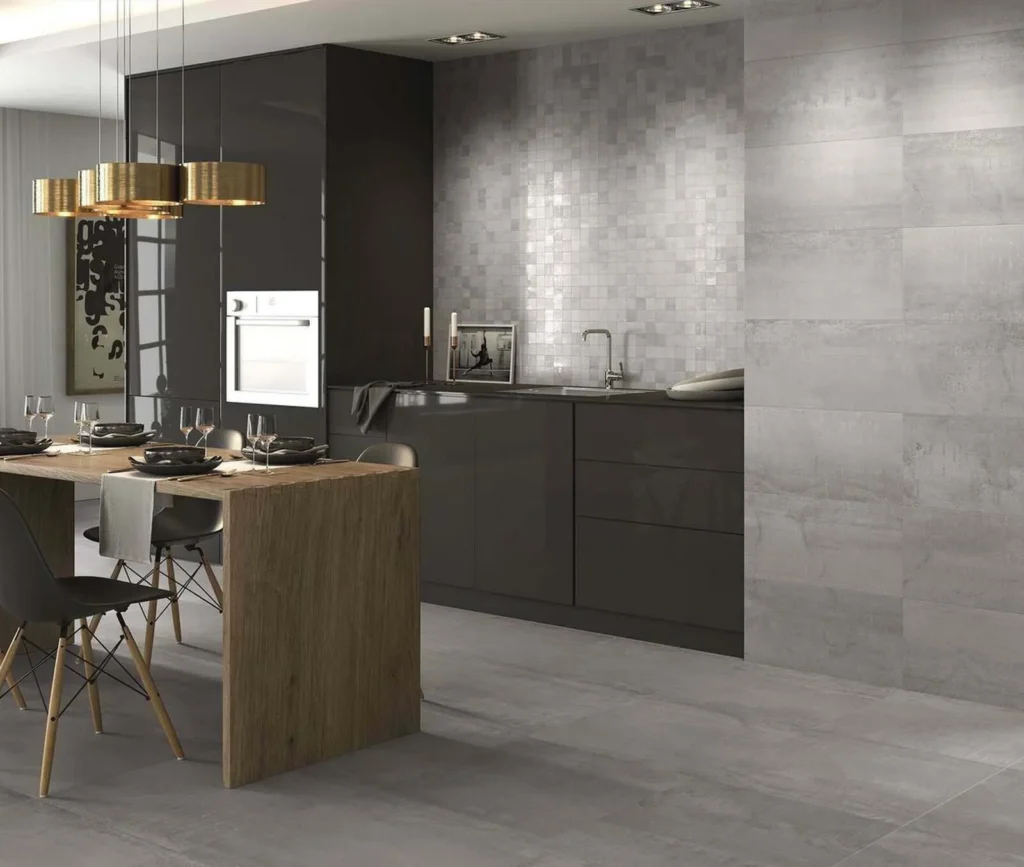
For heavy traffic, choose porcelain first. It is dense, strong, and low-porous. Textured finishes add grip. Large formats reduce grout. Use stain-resistant grout and seal all cuts and edges for long life.
What “busy home” really needs
- High hardness: resists scratching.
- Low porosity: resists stains.
- Good traction: safe when wet.
- Easy care: mops clean with mild soap.
Shortlist for traffic
| Tile type | Why it works | Watch-outs |
| Porcelain | Dense, stain resistant | Can feel hard, cold |
| Textured ceramic | Budget friendly | Needs careful grout choice |
| Wood-look porcelain | Warm look, wet safe | Pattern repeat; mind layout |
| Quarry tile | Tough, slip friendly | Needs sealing; rustic look |
Set mats at doors. Add felt pads to chair legs. Use PH-neutral cleaner. These simple habits double the life of hard surfaces.
Porcelain or ceramic floor tile: which should I choose?
The names sound alike. The feel is not.
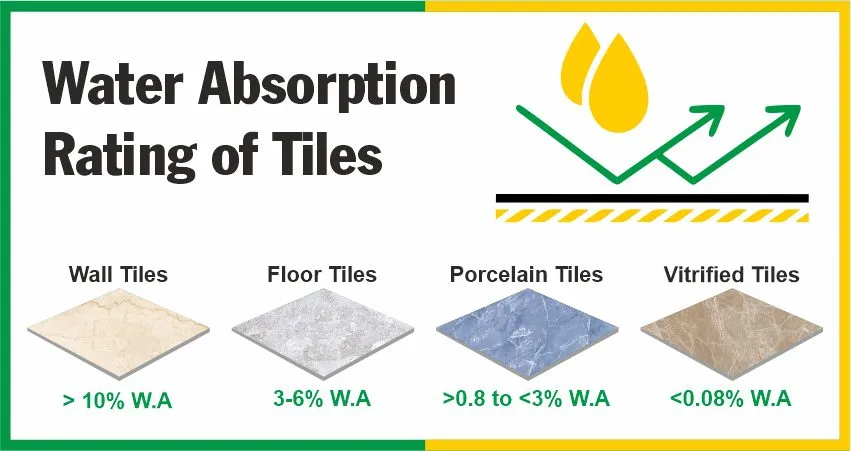
Pick porcelain for highest durability and low water absorption. Pick ceramic when budget is tight and traffic is moderate. Both can look great. Porcelain wins in kitchens, entries, mudrooms, and baths.
Quick comparison
| Feature | Porcelain | Ceramic |
| Water absorption | ≤0.5% (very low) | >0.5% (higher) |
| Strength | Higher | Moderate |
| Price | Higher | Lower |
| Cutting | Harder to cut | Easier to cut |
| Use | Wet/high traffic | Dry/moderate traffic |
Practical tips
- If a room sees water plus grit, choose porcelain.
- For guest rooms or light traffic, ceramic can be enough.
- For DIY, ceramic cuts easier with basic tools.
- Always buy 10% extra for cuts and spares.
Is natural stone tile durable enough for kitchens?
Stone is beautiful. Kitchens are brutal.
Yes, with the right stone and care. Choose dense stones like granite or certain limestones. Seal often. Wipe spills fast. Use mats near sinks and ranges to limit oil, acid, and grit damage.

Stone picks and cautions
| Stone | Kitchen fit | Notes |
| Granite (honed) | Strong choice | Resists most stains; seal it |
| Dense limestone | Conditional | Check absorption; honed finish helps |
| Travertine (filled) | Risky | Pits can open; seal often |
| Marble | High risk | Etches with acids; needs care |
| Slate | Good if dense | Split layers can flake; test sample |
Care that works
Use PH-neutral cleaner. Avoid vinegar, lemon, and bleach. Reseal when water no longer beads. Place felt under stools. Lift, do not drag.
Do marble floors scratch and stain easily?
Marble looks rich. Life is messy.
Marble scratches and etches more easily than porcelain. Acidic spills dull the surface. Honed finishes hide marks better than high gloss. Use area rugs, gentle cleaners, and frequent sealing to keep it graceful.

Make marble work
- Choose honed over polished in busy rooms.
- Seal on schedule; it slows, not stops, stains.
- Blot spills fast, especially wine, coffee, citrus.
- Use powder polish kits only for minor marks.
If low-maintenance matters
Consider porcelain marble-look tiles. They mimic the veining, resist stains, and need no sealing. Use rectified edges for thin grout lines and a higher-end feel.
Are slate and travertine tiles slip-resistant outdoors?
Patios need grip. Rain and frost test everything.
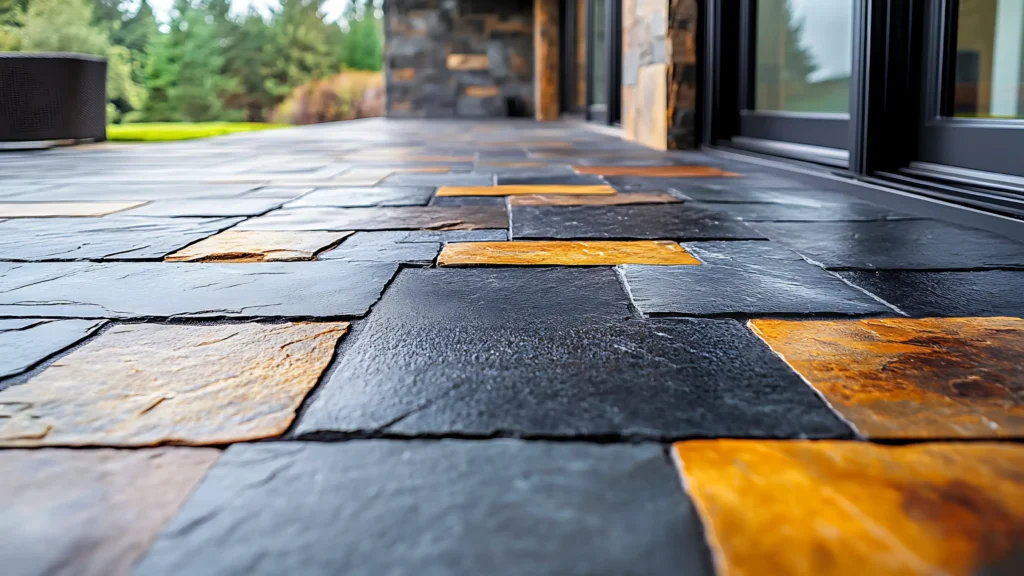
Yes, if you pick the right finish and density. Natural-cleft slate and textured travertine provide traction. Choose frost-resistant grades, larger joints, and proper sealing. Add grit sealer if surfaces feel too smooth.
Outdoor checklist
| Factor | Why it matters |
| Frost rating | Prevents freeze-thaw cracks |
| Finish texture | Adds traction when wet |
| Slope/drainage | Moves water off the surface |
| Sealer type | Enhances grip or keeps natural look |
Grout and joints
Use wider joints outdoors to flex with temperature swings. Pick a grout rated for exterior use. Re-seal every 1–2 seasons in harsh climates to keep water out of pores.
Are wood-look porcelain tiles good for wet areas?
You want warmth without the worry.
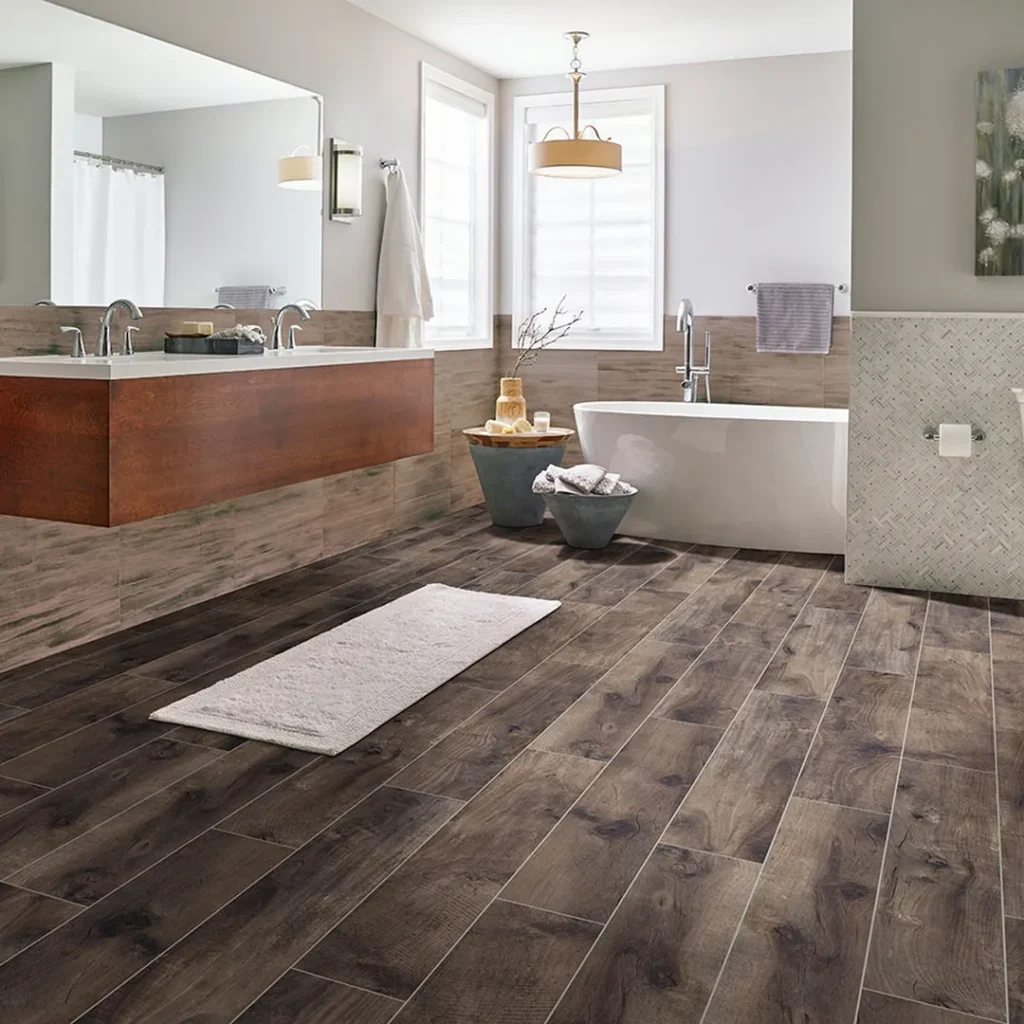
Yes. Wood-look porcelain is a top choice for baths, laundry rooms, and entries. It resists water and warping, yet gives the cozy look of planks. Choose matte or textured finishes for traction.
Layout and scale
- Use long planks to sell the look.
- Stagger joints at ⅓ length to avoid lippage.
- Mix three or more faces to reduce pattern repeat.
Why it beats real wood in wet rooms
No swelling, no sealing schedule, and easy cleaning. Add a warm grout tone to match “wood” color. Keep grout joints narrow (e.g., 3 mm) for a plank feel.
Do large-format tiles reduce grout lines and maintenance?
Less grout, less scrubbing.
Yes. Large-format tiles (e.g., 24×24, 24×48) cut grout line count and visual noise. Floors look calm and modern. They need flatter substrates and skilled installs to avoid lippage.

What to know before buying
- Check substrate flatness (industry tolerances).
- Use leveling spacers during install.
- Pick rectified edges for tight joints.
- Plan door clearances and heavy slab weight.
Where they shine
Open-plan kitchens, living rooms, and commercial lobbies. Fewer grout lines make cleaning fast and keep patterns simple.
Is textured tile better for pets and traction?
Zoomies meet wet paws.
Textured or matte tiles improve grip for pets and people. They hide micro-scratches and water spots. Choose balanced texture: enough traction, not so rough that mops snag or skin feels scratchy.
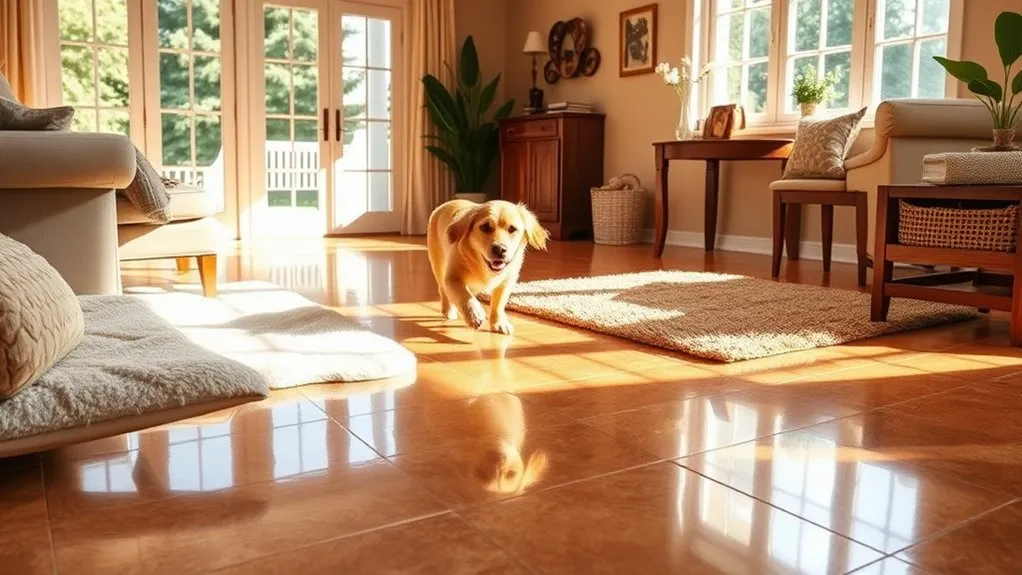
Pet-friendly tips
- Pick matte over high gloss.
- Use darker, variegated tones to hide fur and prints.
- Seal grout with stain-repellent sealer.
- Keep entry rugs to trap grit.
Test before you tile
Wet a sample. Step on it. Slide a shoe and a bare foot. Your toes know the truth faster than any spec sheet.
Are cement encaustic tiles practical for bathrooms?
The patterns are stunning. The care can be real.
Yes, if you accept sealing and gentle cleaners. Cement encaustic tiles are porous and can stain or etch. Pre-seal before install, seal again after grouting, and use PH-neutral soaps only.
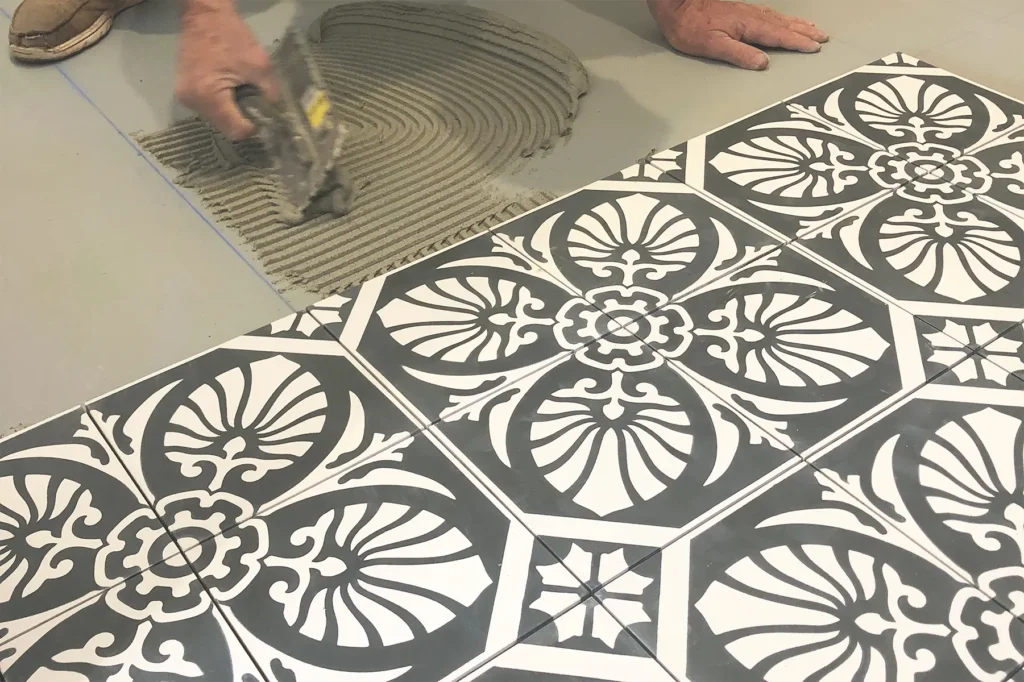
Install and care
- Pre-seal tiles to stop grout haze.
- Use white thinset to avoid show-through.
- Seal again after grouting.
- Avoid acids and strong degreasers.
Where they excel
Small powder rooms, feature zones, and low-splash areas. For wet, high-traffic family baths, consider porcelain look-alikes for easier care.
Can terrazzo tiles handle heavy commercial traffic?
Terrazzo looks premium and wears like iron.
Yes. Terrazzo tiles and poured terrazzo resist wear in lobbies and stores. Tiles install faster than poured floors. Choose slip-rated finishes and plan for periodic polishing to keep the surface bright.
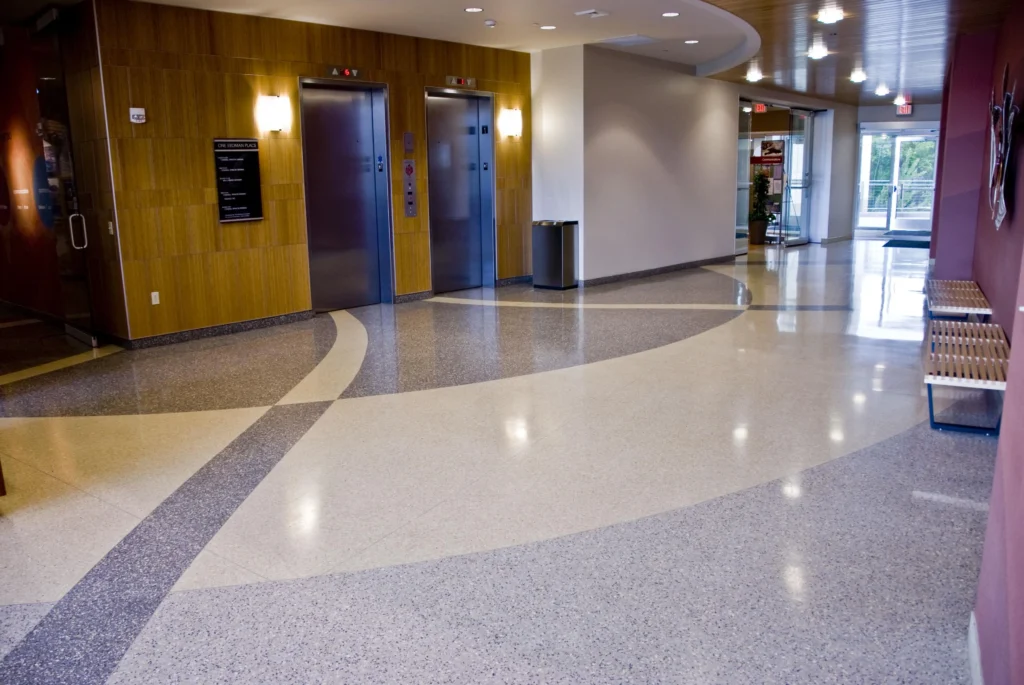
Pros and cons
| Aspect | Terrazzo tile | Poured terrazzo |
| Install speed | Faster | Slower |
| Joints | Visible grout lines | Seamless look |
| Repair | Replace tile | Patch and polish |
| Cost | Lower | Higher |
Daily care
Dust mop often. Mop with neutral cleaner. Use walk-off mats to capture grit. Refinish on schedule to renew gloss and close micro-scratches.
Which grout and sealer extend floor tile durability?
Great tiles fail with weak grout.
Use high-performance grout and the right sealer. For kitchens and baths, stain-resistant cement grout with sealer works well. Epoxy grout is toughest but pricier and needs skilled install.
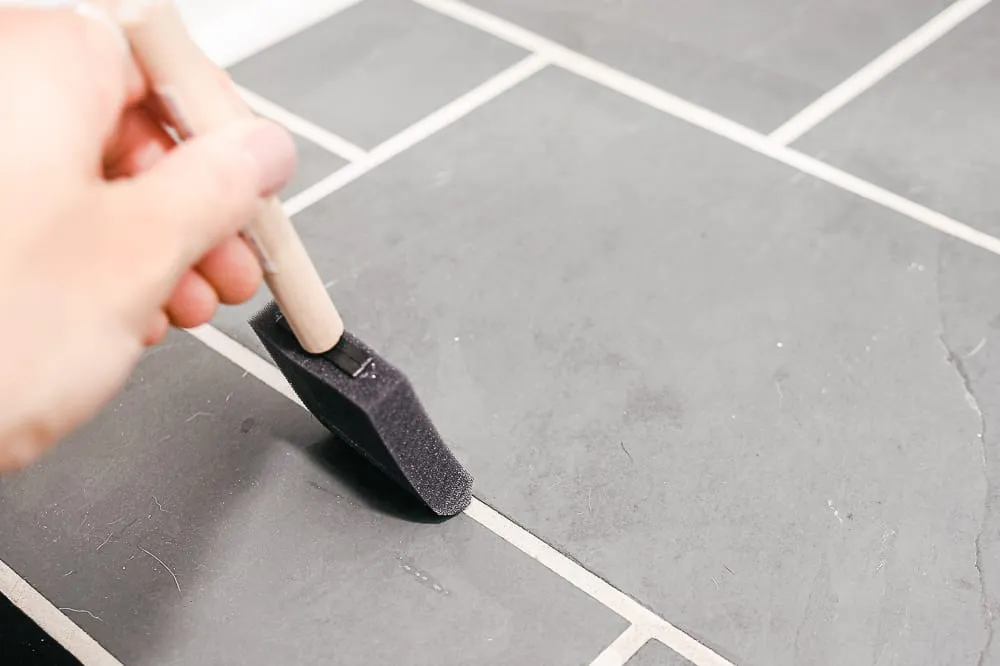
Grout options
| Grout type | Strength | Stain resistance | Notes |
| Sanded cement | Good | Good with sealer | For wider joints |
| Unsanded cement | Good | Good with sealer | For narrow joints |
| High-performance cement | Very good | Very good | Added polymers |
| Epoxy | Excellent | Excellent | Most durable; skilled install |
Sealer basics
Seal cementitious grout after cure. Reapply when water stops beading. Stone tiles may need sealing; porcelain generally does not. Always test first on a spare piece.
How much do floor tiles cost installed per square foot?
Budgets decide fast.
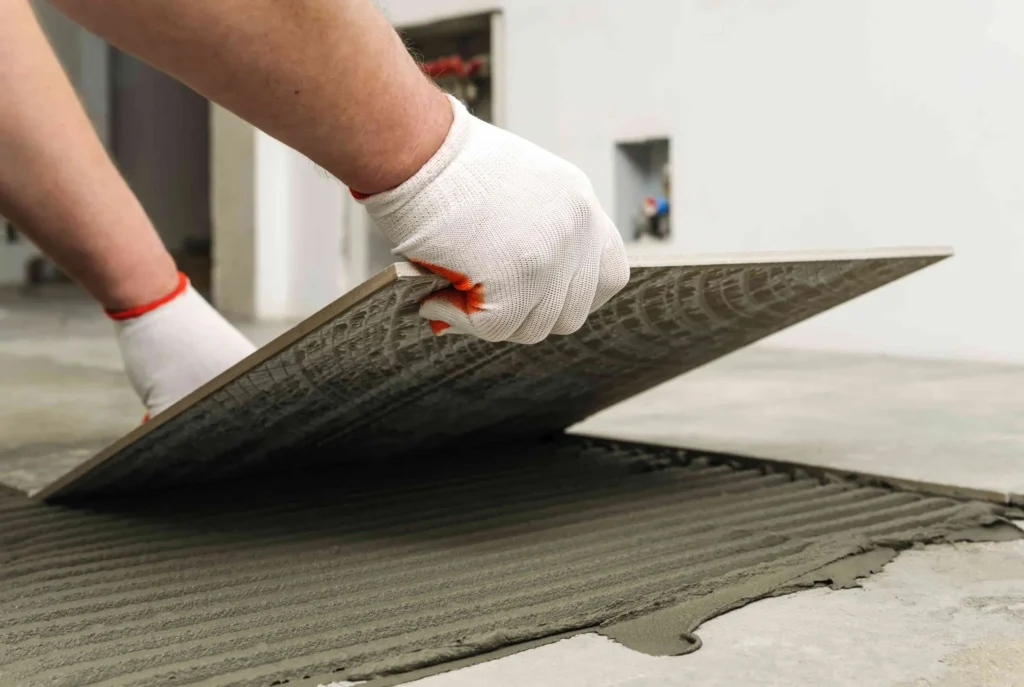
Installed costs vary by tile type, size, room prep, and region. Expect a wide band. Use one clear spec and request three bids. Include substrate work, trims, and waste in every quote.
Typical ranges (USD)
| Category | Material (sq ft) | Labor (sq ft) | Notes |
| Porcelain/Ceramic | $2–$10 | $5–$15 | Large formats cost more |
| Natural Stone | $5–$20 | $7–$20 | Sealing adds cost |
| Cement Encaustic | $8–$20 | $10–$20 | Pre-sealing & care |
| Terrazzo Tile | $10–$25 | $10–$25 | Polishing schedule later |
Add 10–15% waste for cuts and patterns. Old floor removal, leveling, and new baseboards can add meaningfully. Confirm lead times on trims and transitions to avoid delays.
Conclusion
Match tile to room stress, pick safe textures, and plan grout and sealing well. Do this, and your floor will clean fast, grip well, and stay beautiful for years.
FAQ
Are porcelain tiles good for radiant floor heating?
Yes. Porcelain conducts heat well and stays stable. Use flexible thinset and movement joints per room size to handle small expansions.
Can I put tile over existing tile?
Often yes, if the old tile is sound and flat. Clean, scuff, and use the right primer or bonding mortar. Door clearances must still work.
Do I need to seal porcelain tile?
Usually no. Porcelain is dense. Seal cement grout lines, not the tile body, unless the maker specifies otherwise for special finishes.
What grout color hides dirt best?
Mid-tone grays and warm taupes hide daily dust. Pure white shows stains; very dark shows soap film. Match to the tile’s mid-tone.
How do I stop lippage on large tiles?
Flatten the substrate first. Use leveling spacers and medium-bed mortar. Stagger long planks at one-third length, not half, to reduce warps.
Are glossy tiles too slippery for bathrooms?
Gloss can be slick when wet. Choose matte or textured finishes for floors. If you love shine, keep gloss on walls and use rugs for safety.
Can natural stone work in showers?
Yes, with extra care. Choose dense stone, slope and waterproof properly, and seal on schedule. Expect more maintenance than porcelain.
What cleaner is safe for all tile types?
A PH-neutral, non-abrasive cleaner with warm water covers most cases. Skip vinegar, bleach, and acids, especially on stone and cement tiles.