
Cheap quotes feel safe at the start. Later you face delays, re-orders, and stress because the real cost was hiding between the lines.
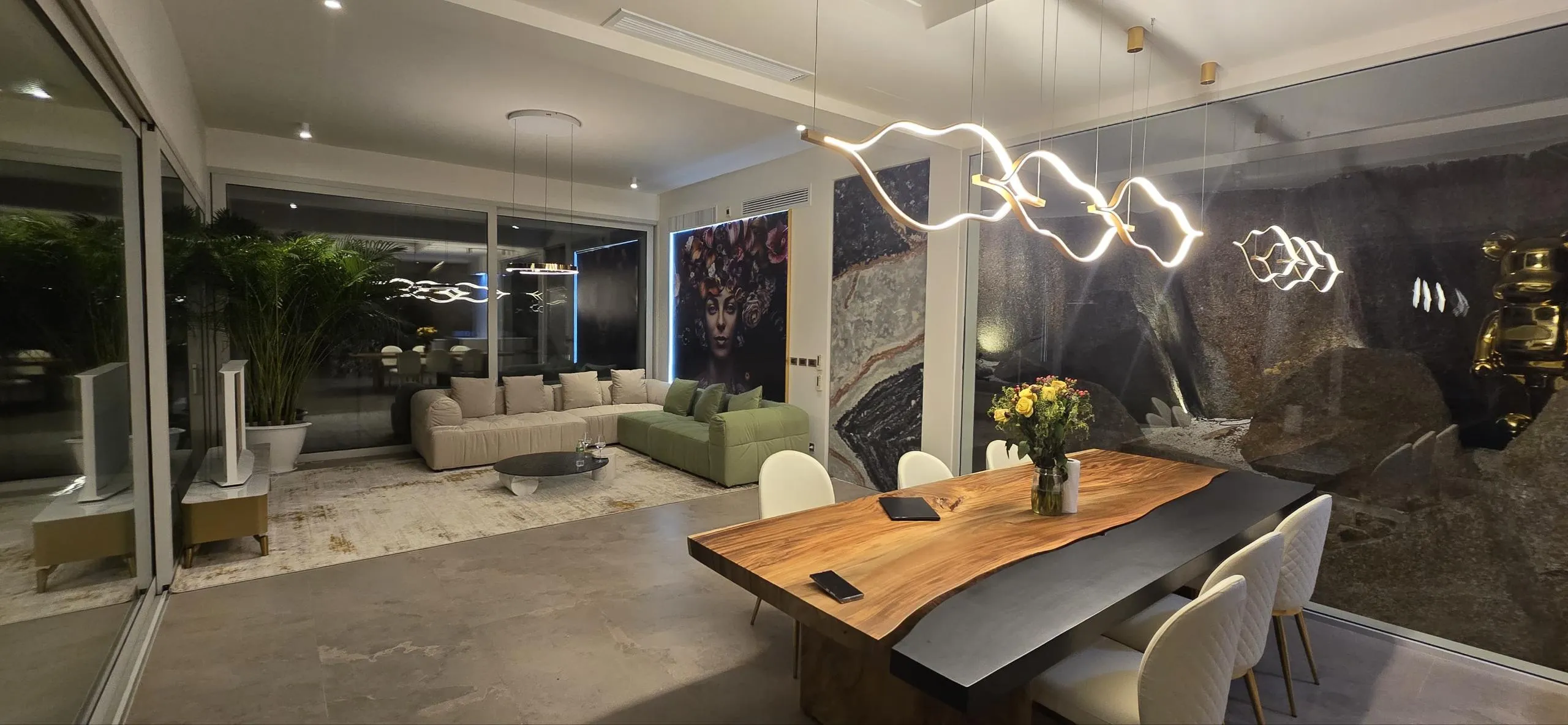
We are a one-stop building materials supplier based in Foshan, serving projects in many countries. Most of our clients start with just a floor plan and a rough idea. We turn that into 2D layouts, 3D views, and a clear package that covers cabinets, doors and windows, bathrooms, flooring, tiles, furniture, soft furnishings, lighting, and more. You keep control of style and budget. Our job is to connect the details and support you from design to after-sales.
Many homeowners repeat the same mistakes when they buy materials for a full home or building. They focus only on unit price, split orders across many vendors, and skip drawings and checks. Later they pay for extra deliveries, changes on site, and time lost with installers.
This article walks through eight common mistakes and shows how a one-stop approach, starting from your floor plan, can help you avoid them. Use it as a checklist before you send your next inquiry or confirm your next order.
1. Only Looking at Unit Price and Ignoring Total Project Cost
Low unit prices look like a win. But they do not show waste, extra logistics, or the cost of wrong items that you cannot use.
The real price of building materials is the total cost of the project, not the number on one line. You need to see waste, backup pieces, second shipments, and the cost of late changes on site. A one-stop supplier helps you see the whole picture in one plan instead of chasing the cheapest line on a page.
The hidden parts of a cheap quote
When you look at a quote as a homeowner, it is normal to zoom in on one thing: price per unit. But projects do not live inside spreadsheets. They live on site. On site you pay for wrong sizes, missing pieces, second deliveries, and time.
Here are some parts people forget:
| What you see on a cheap quote | What you do not see yet | What shows up later |
| Very low price per piece | No line for wastage or spares | Extra orders and delivery fees |
| Simple product names | No clear spec or standard | Wrong items, poor performance |
| One-way price | No mention of replacements | Paying twice when things fail |
There is also a technical side. Many owners never ask for a clear list by room or for something like a bill of quantities. Without that, it is hard to know if the offer actually covers everything.
Our way is different. From the start, we plan by full house or full building, not by random pieces. We show where waste will happen and which items need backup pieces. We explain where you can save money and where you should not cut corners. Then we connect this to 2D and 3D drawings so you can see on screen where each line in the list will be used.
A real story: five-star hotel bathrooms
One contractor for a five-star hotel project in the US needed many bathroom items. At first, he chased the lowest prices with another supplier. When the shipment arrived, most products did not match the specs he had agreed. Many items were the wrong design or level.
He later told us he had “fallen in love with the numbers, not the details.” In the end, he came to us, accepted a realistic package price, and we built a full bathroom set based on drawings and 3D views. He paid twice for the same project because he only looked at unit price the first time.
2. Splitting Every Category Across Different Suppliers
Many homeowners think splitting orders across many suppliers will reduce risk. In fact, it often breaks style and causes endless coordination work.
When each category comes from a different supplier, colors, profiles, and joints stop matching. Cabinets, tiles, doors, and stairs were never checked together. On site, installers try to make pieces from different worlds fit into one room. A one-stop team starts from a full design so all categories are matched before anyone starts building.

Why splitting feels safe but becomes risky
On paper, splitting looks smart: “I will get the best price for each item.” In real life, you also get:
- Different people using different standards
- Styles chosen at different times in different shops
- No single person who is responsible for the whole picture
This is how it often plays out:
| What many owners do | What happens on site | How one-stop changes it |
| Buy cabinets, tiles, doors from different vendors | Colors and trims clash in the same room | One team designs all main categories together |
| Trust photos from each vendor | Real finishes look different under one light | Showrooms and 3D views use one light and set |
| Decide each item alone | No one checks joints and transitions | Design team checks all joints in drawings |
Our approach is simple: design first, then order.
We start with your floor plan. We prepare a global concept for the project and group finishes by room and function. In 2D and 3D we see where cabinets touch tiles, where doors sit above floors, and how stairs meet wall panels. Only after these matches are clear and you are happy with the result do we send final specs to our partner factories.
You still have choices. In fact, you see more combinations because they are shown together. But the design team keeps the whole house in view so every choice has a context.
3. Ordering Without a Measured Floor Plan
Some owners place orders based on rough sketches, old drawings, or just verbal descriptions. It feels faster at first, but the cost is moved to the end.
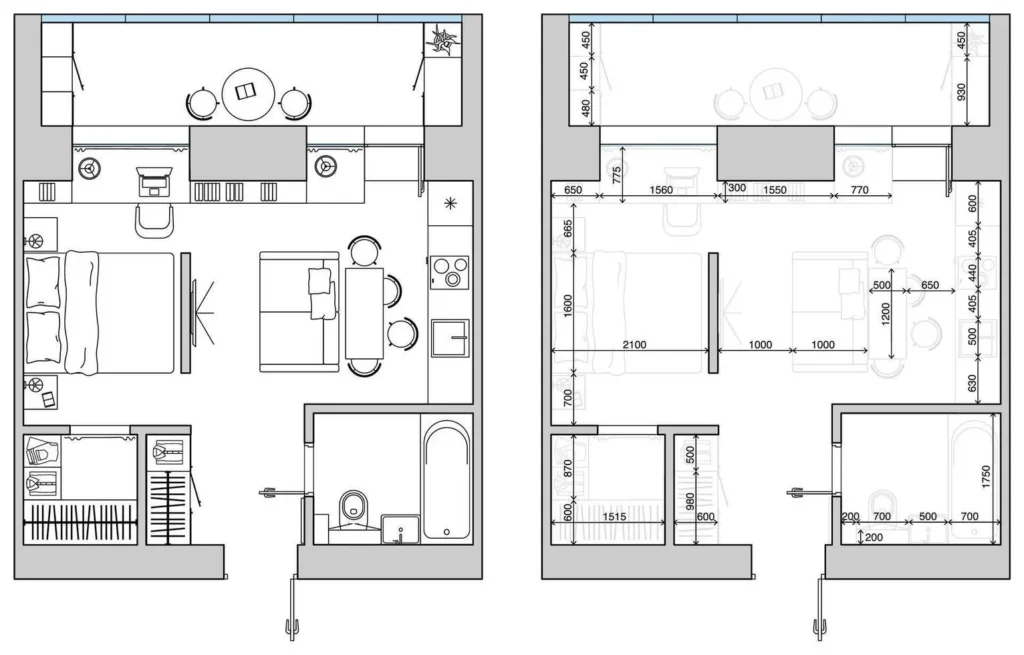
If you order without a measured floor plan, you risk doors that do not fit, cabinets that block windows, stairs that clash with beams, and many “we thought it would fit” moments. A one-stop supplier needs a clear plan, because design, 3D, and factory work all depend on it.
Why guessing sizes is expensive
Without real dimensions, every piece you choose is a guess. On site, guesses turn into:
- Extra cutting and patching
- Reduced storage space because cabinets had to shrink
- Awkward fillers and gaps that make a new house feel old
A simple comparison:
| What many owners do | What happens on site | Our way forward |
| Use rough sketches or old agent plans | Items do not fit as drawn | Ask for a measured floor plan before detailed design |
| Trust local team to “adjust on site” | Many small fixes and wasted items | Design and size everything in drawings first |
In our process, a floor plan with dimensions is the minimum entry ticket. If you already have a CAD plan, we start from there. If you do not, or if measuring feels hard or confusing, we can arrange for our staff to travel to your project to measure and draw the plan. In that case, you cover the travel and work costs such as flights, hotel, and local transport, and we take care of the technical side.
This step feels slow, but it saves you from a long list of problems later. With a measured plan, we can design kitchens, wardrobes, bathrooms, stairs, and furniture that use space well and actually fit. It also gives your local contractors a clear base to follow.
4. Skipping Design Development and Relying on Site Decisions
Some owners skip proper design. They show a few photos, buy materials, and hope the site team will “figure it out.” In practice, this turns the project into a live experiment.
When there is no design development, each decision happens under pressure on site. The electrician, carpenter, and tiler each make small choices. Together, these choices change the look and function of the house. A one-stop supplier uses design development to lock the main decisions on paper and in 3D before anything is cut.
What happens when you design on site
On site, the team faces time limits and physical constraints. Their main goal is to finish, not to test every design option. Without drawings, they will:
- Place items where it is easiest, not where it looks best
- Change dimensions to fit obstacles you never planned for
- Use “standard” details that may not match your style
This is how it often looks:
| What many owners do | What happens on site | How we handle it |
| Skip detailed drawings, trust “experience” | Layout, heights, and joints keep changing | Design team prepares buildable drawings from your plan |
| Approve ideas by chat and voice notes | No clear record or base to check | Project manager collects all decisions and updates drawings |
Our design team works with one rule: the design is not finished until you understand and accept it. We turn your floor plan into 2D layouts, then into 3D views, and for key areas into 3D renders. We mark heights, clearances, and joints. The project manager walks through these details with you, not just with the factory.
Only when you confirm the design do we send it to production. This avoids the “I was not sure, so I told the builder to decide” situations. You still have freedom to adjust, but you adjust on paper and screen first, where changes are cheap and clear.
5. Ignoring Local Installation Limits and Rules
Many owners choose items without thinking about how they will move through the building or what local rules allow. They see a beautiful door or stair and forget the lift and the code.
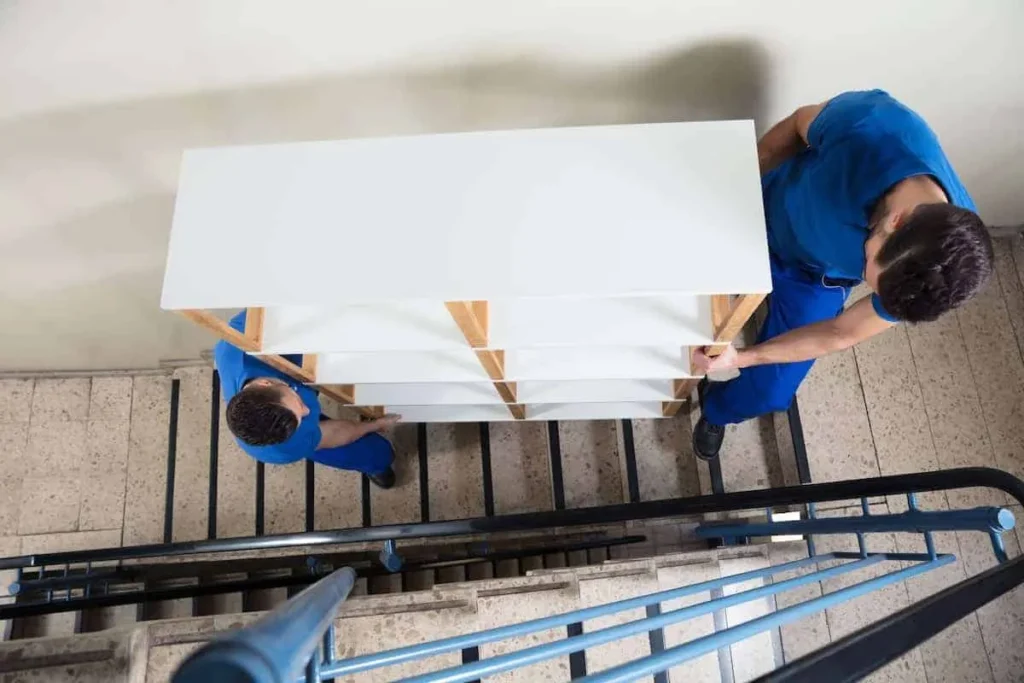
Ignoring local limits can mean stairs that cannot be carried up, doors that clash with local fire rules, or glass that does not meet safety standards. A one-stop supplier with experience in many countries asks these questions at the start, not after the order is placed.
Typical blind spots
Some limits are simple physics. Others come from local laws and building codes. Common blind spots include:
- Lift cabin and door sizes
- Stair width, head height, and turning space
- Door leaf sizes and swing directions
- Minimum glass specs and safety rules
This is the pattern we see:
| What many owners do | What happens on site | How we plan for it |
| Choose large items from photos only | Items cannot pass through lifts or stairs | Ask early about lift, stair, and door sizes |
| Ignore local rules | Inspectors or managers reject items | Use our experience with many regions as a guide |
We cannot replace your local architect or inspector, but we can help you ask better questions. Early in the talk, our project manager will ask about the type of building, its access, and any known rules. We adjust sizes and breaks in the design so pieces can move through real doors and lifts. We also discuss materials and glass specs in a way that matches common requirements for similar climates and building types.
Good-looking items are not enough. They must also be installable and acceptable. Dealing with these questions in the design phase costs you almost nothing. Dealing with them on site costs a lot.
6. Not Asking About Packing and Transport Protection
Some owners think “packing is packing.” They never ask how items will be protected, stacked, or labeled. They only find out when boxes arrive damaged or mixed.
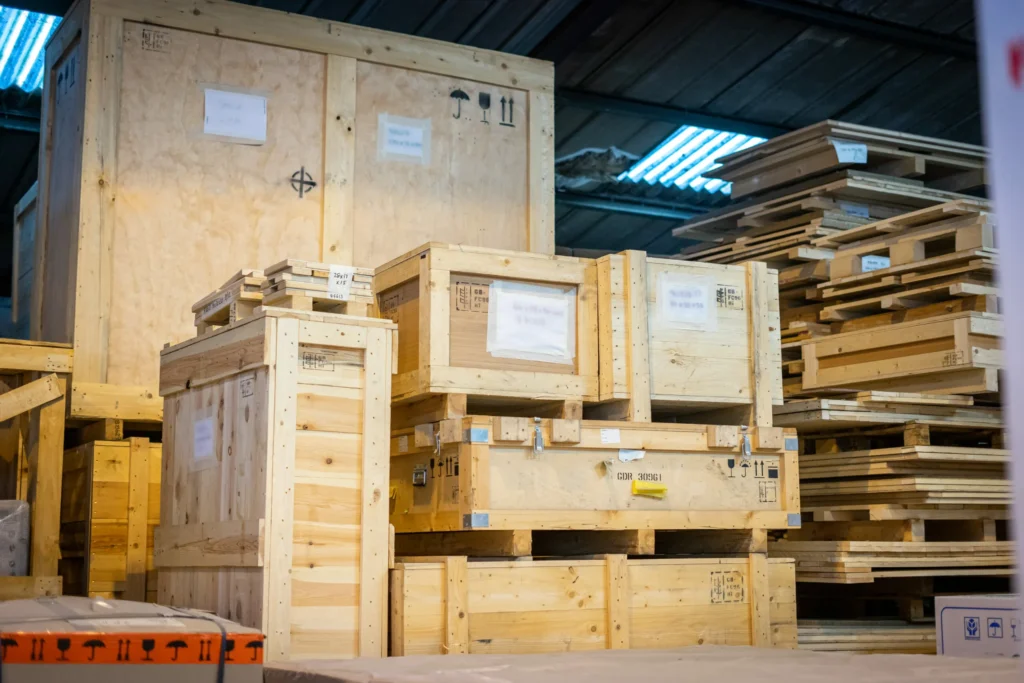
Packing and transport are part of your project, not an afterthought. If you do not ask about them, you risk invisible damage, missing pieces, and no clear point of contact when there is a problem. A one-stop supplier treats packing and transport as part of the service, with clear roles inside the team.
Why packing matters as much as product
Your materials pass through factories, warehouses, trucks, and ships before they see your site. Along the way they face:
- Impacts and vibration
- Moisture and temperature changes
- Re-stacking and re-labeling
When no one plans for this, you get:
| What many owners do | What happens on site | Our way forward |
| Accept “standard packing” without detail | Hidden cracks, chipped edges, missing pieces | Discuss packing level and layout before production finishes |
| Do not know who controls what | Everyone blames everyone else | Assign clear internal roles for each stage |
Inside our company, each project has three key roles:
| Role | Main focus | What you feel as a client |
| Project Manager | One contact for the full project | You do not need to repeat your story to many people |
| Solution Manager | Products, materials, and specs | You choose items that fit your climate, use, and budget |
| Delivery Manager | Production, packing, shipping, after-sales | You know who tracks your order and helps if something is wrong |
The Delivery Manager works with factories on packing methods, loading plans, and basic quality checks before shipment. If there is an issue after you receive the goods, this same role helps collect photos and information and organizes the next steps.
We cannot promise that nothing will ever go wrong in transport. But we can promise that packing and delivery are treated as a real part of the project, with a name and a face attached to them.
7. Having No Clear After-Sales Plan
Many owners hope nothing will go wrong. They do not ask about after-sales until there is already a problem. Then they find out there is no process and no one clearly in charge.
A clear after-sales plan does not mean you expect problems. It means you are realistic. Materials can be damaged or installed in the wrong place. If you plan ahead, you know exactly what to do and who to call. A one-stop supplier makes this very simple.

Simple rules for a calm after-sales process
Without a plan, people waste time sending messages back and forth. They send photos in random order and forget key details. Some suppliers disappear or blame others. To avoid this, we push a basic rule from the start:
- If you see a problem, send clear photos and your order information.
- A dedicated person will follow up and guide the next step.
Compare the two approaches:
| What many owners do | What happens on site | How our process works |
| Assume “after delivery, it’s finished” | No one feels responsible when something is wrong | After-sales is part of the project from day one |
| Report issues with no structure | Slow replies, repeated questions | “Photos + order info” is the standard entry point |
In our work, we do not repair old pieces on site. If there is a real quality issue, we send new products instead of trying to fix what is already damaged. This makes it even more important to avoid mistakes early, because replacements still cost time and effort. The goal is not to use after-sales often, but to make it clear and fast when you need it.
8. Breaking the Order Into Many Small Suppliers “To Reduce Risk”
Some owners think giving each supplier a small part will spread risk. In fact, it often spreads confusion.
When you split your order into many small parts, you also split responsibility. You create more WhatsApp groups, more email threads, and more chances for gaps and overlaps. A one-stop supplier lets you keep control with one clear flow instead of many small puzzles.

Why “many small bets” can cost more
On the surface, spreading orders looks smart. But in a real project, it leads to:
- Mixed standards and quality levels
- Items arriving in random sequences
- No single party who checks the full picture
Here is the difference:
| What many owners do | What happens on site | How one-stop changes it |
| Split order across many vendors | Endless coordination and holes between scopes | One plan, one main contact, connected scopes |
| Try to save small amounts everywhere | Pay more in time and stress | Spend energy on the big picture, not micro-managing |
Our one-stop model is not about taking control away from you. It is about giving you a calmer way to stay in control. We show the full process, from floor plan and 3D to production and after-sales. You see the steps, documents, and people involved. You can still ask hard questions and make changes. But you do not need to re-explain your project to a new person every day.
Even if you consider yourself a “renovation beginner,” once you are in touch with an experienced project manager who sees the whole house, you usually gain clarity fast. Many clients tell us they finally understand their own project only after they see it planned as a full package.
Conclusion
These eight mistakes are common, but they are all avoidable. If you focus on total project cost, clear drawings, real site limits, and one connected team, you turn a risky purchase into a controlled plan.
Share Your Plan, Get Ideas
If you are comparing different suppliers and are not sure where the risks are, send us your floor plan and your current ideas. We can help you do a simple risk check before you decide anything. Choosing one-stop means saying no to high communication costs, no to wasted time, and yes to an efficient project you can actually control. When you are ready, add our contact, send your plan, and let us walk through the project with you step by step.