When an import shipment arrives warped or late, project timelines and budgets collapse.
By learning how China’s top door plants prove quality, cut freight risk, and keep prices transparent, you can source safely without endless trial-and-error orders.
Scroll down for a step-by-step plan that turns supplier lists into solid purchase orders.
What defines “quality” in China-made doors today?
Promises sound good until a hinge splits on site.
Quality now means moisture-balanced cores, third-party tests on every batch, and warranties that spell out claim steps—standards once rare but now demanded by global buyers.
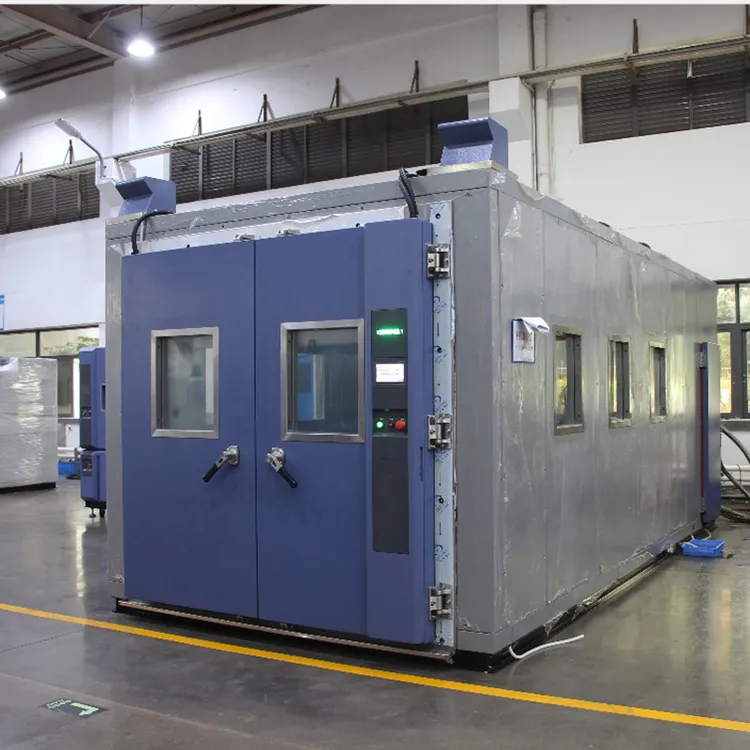
Many coastal plants run inline scanners that log density every six inches. A batch fails if variation tops ±3 %. Labs cut cross-sections, soak them 24 hours, and weigh for swelling under 8 %. Doors then pass a 10 000-cycle slam rig. Plants upload each lot’s PDF test report to a blockchain ledger buyers can verify.
H3 — Key Quality Metrics
| Test | Pass Mark | Why It Matters |
| Moisture content | 8 – 12 % | Prevents warping in transit |
| Bond strength | ≥ 1.2 MPa | Keeps skins from delaminating |
| Edge swell | ≤ 8 % | Critical for humid climates |
Meeting these numbers protects your brand when the door is finally hung.
Which door materials best survive global climate tests?
Homeowners hate swollen jambs; builders hate callbacks.
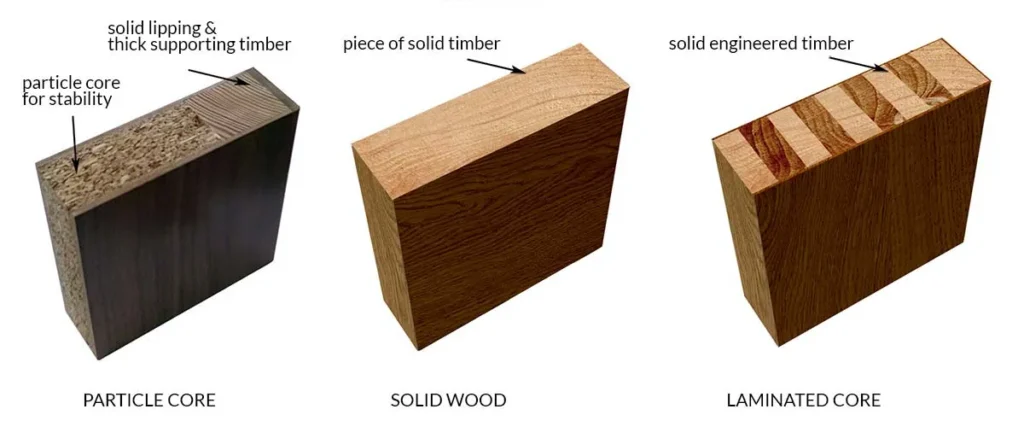
Engineered-core doors with marine-grade veneer handle humidity swings 30 % better than solid-pine slabs, while LVL stiles stop hinge screws from stripping in heavy traffic.
H3 — Material Performance Snapshot
| Material | Swell Rate | Weight | Cost Index |
| LVL core + oak veneer | ★★★★☆ | Medium | 1.2 |
| Solid pine | ★★☆☆☆ | Light | 1.0 |
| Solid meranti | ★★★☆☆ | Heavy | 1.4 |
| HDF flush | ★★★★☆ | Medium | 0.9 |
LVL strands run parallel, so expansion stays even. Factories kiln-dry veneers to 8 % before pressing, locking moisture. Add PU edge sealer and the door shrugs at tropical seasons or northern winters.
Do China factories hold global eco-certifications?
Green labels cut through skepticism fast.
Leading mills now carry ISO 14001, FSC chain-of-custody, and CARB 2 formaldehyde clearance, proving low emissions and legal timber sources.

ISO 14001 audits every three years. FSC numbers trail each bundle to its stump. CARB 2 labs drill core samples and heat them to read off-gassing below 0.05 ppm. Ask for certificate numbers; verify on issuer sites. Plants that pass keep digital dashboards—easy for procurement teams to screenshot and attach to tenders.
How does factory scale impact price and lead time?
Big lines promise volume; small shops flex on specials.
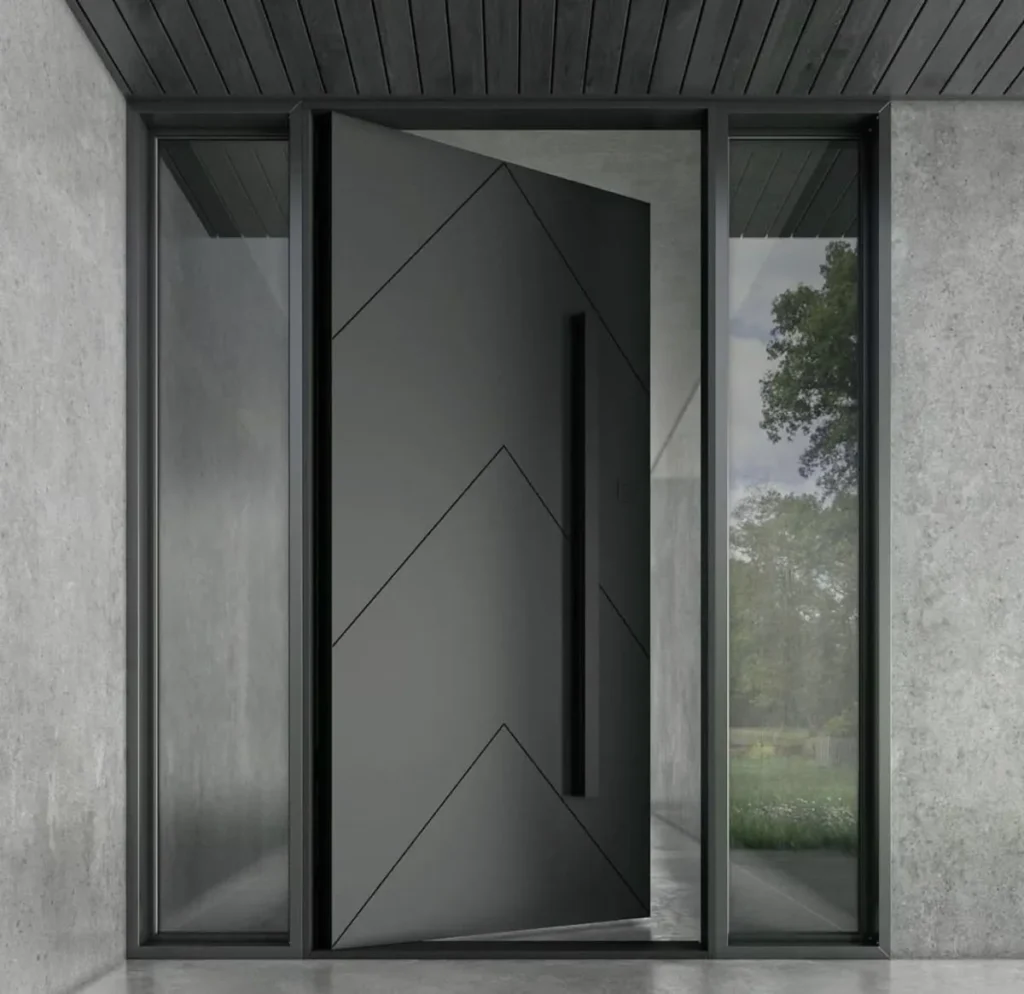
Plants over 100 000 ft² run four CNC lines and ship 30 000 doors monthly, dropping unit cost 15 %, yet boutique lines pivot shapes in 48 hours for urgent remodels.
H3 — Scale Trade-Off Table
| Plant Size | MOQ | Unit Cost | Lead Time | Design Flex |
| ≥ 30 k doors/month | 150 pcs | Low | 4 weeks | Low |
| 5 k – 20 k | 50 pcs | Medium | 3 weeks | Medium |
| < 3 k | 10 pcs | High | 2 weeks | High |
Match project stage: use mega-plants for hotel towers; micro-plants for bespoke lofts.
Which coastal ports cut shipping delays for doors?
Waiting docks burn money.
Factories shipping through Ningbo and Shenzhen average seven-day vessel dwell, versus twelve at inland river ports, shaving storage fees and keeping install crews on schedule.
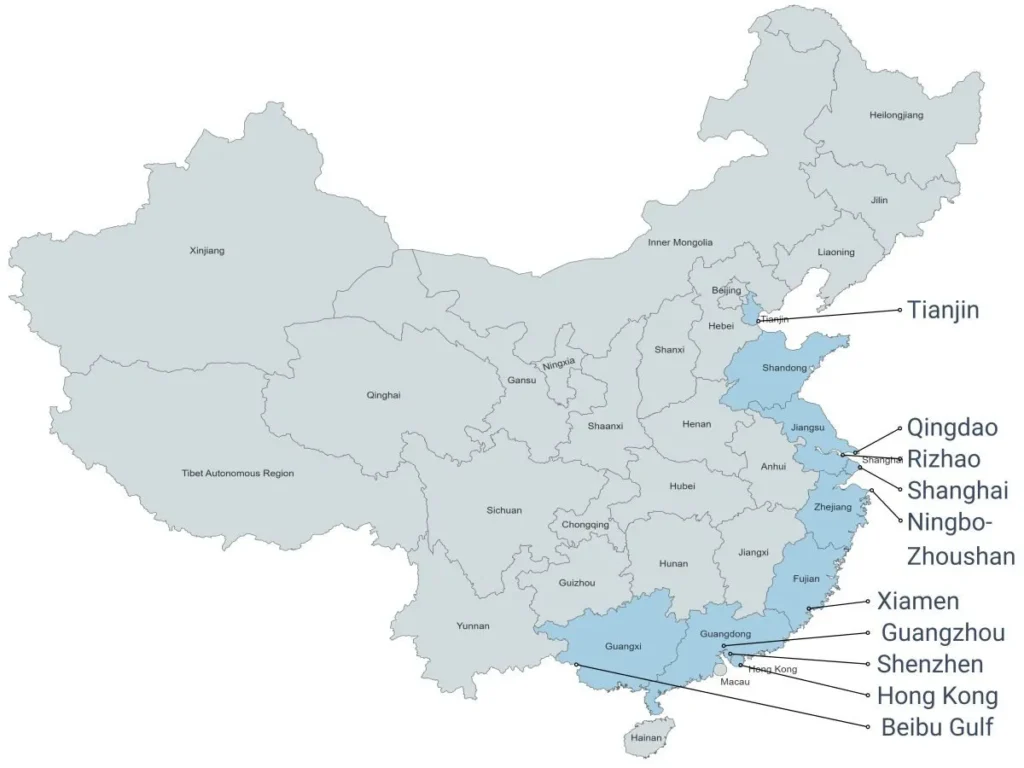
Ports with automated cranes move containers in two hours. Direct sailings to LA or Rotterdam depart thrice weekly. Pair inland producers with rail to Ningbo; avoid truck detours through holiday-packed cities. Always reserve space ten days ahead in peak season to dodge rolled bookings.
What incoterms minimize hidden costs in door imports?
Small print hides big bills.
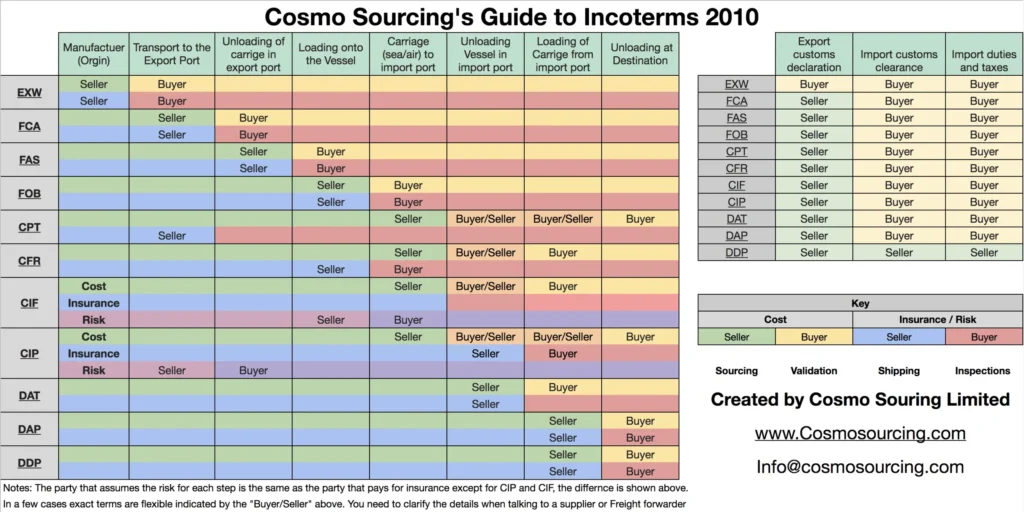
FOB plus your forwarder’s insurance often beats CIF by 4 – 6 %, yet DDP helps first-time buyers dodge surprise duty invoices—choose by cash flow and risk appetite.
H3 — Incoterm Quick Reference
| Term | Seller Covers | Buyer Covers | Best For |
| FOB | Export docs, port loading | Sea freight, insurance | Experienced importers |
| CIF | Freight, basic insurance | Destination charges | Mid-size firms |
| DDP | All charges to your door | None | New importers, tight schedules |
Can small buyers bypass high minimum order quantities?
Boutique projects need ten doors, not fifty.
By joining consolidated orders or choosing factory stock sizes, importers can cut MOQs to 15 pcs and pay only a small repack fee.
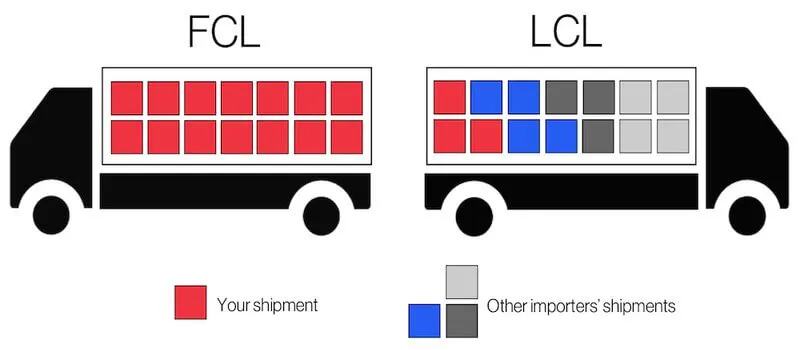
Factories open monthly group runs: one profile, varied veneers. Buyers book slots, locking price by square meter. Agents assemble LCL loads, dividing freight by volume, not carton count. Upshot: retail stores test new lines without risky inventory.
Do third-party audits guarantee consistent door quality?
Paper specs mean nothing without eyes on the floor.
Pre-ship inspections catch average 3 % defects, but inline QC contracts cut that below 1 % by fixing issues mid-run, saving rework time.
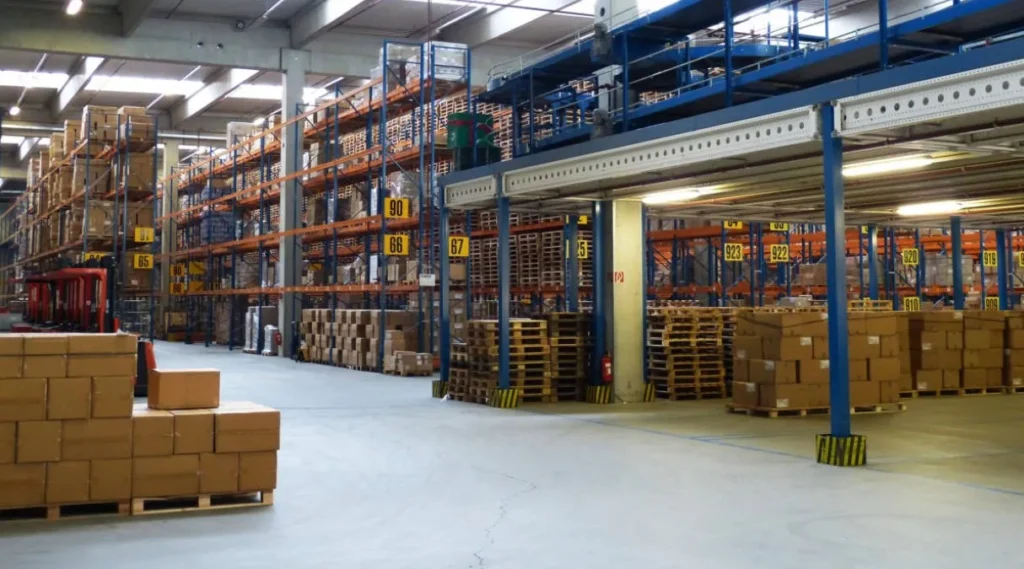
Audit firms verify moisture, dimensions, paint adhesion. They tag pallets with QR codes linked to photo reports. Long-term contracts give them authority to stop a line—rare but effective. Suppliers who keep passing earn “trusted” status, letting buyers skip random re-checks after six perfect lots.
How to verify wood legality before signing contracts?
Illegal logging fines bite importers, not loggers.
Request the supplier’s CITES and FLEGT documents, cross-check log volume with production reports, and run HS code red-flag scans before deposit.

H3 — Checklist
- Ask for export timber license number.
- Match volume vs door count plausibility.
- Search EU Timber Regulation database for prior violations.
- Insert liquidated damages clause for fake papers.
Due diligence now wins cargo-offload inspections and keeps reputations clean.
Will AI shorten custom door design cycles in 2025?
Clients expect Pinterest samples tomorrow, not next month.
Generative CAD plugs style words into parametric models, outputting CNC-ready DXF files in one hour, slashing prototyping from two weeks to two days.
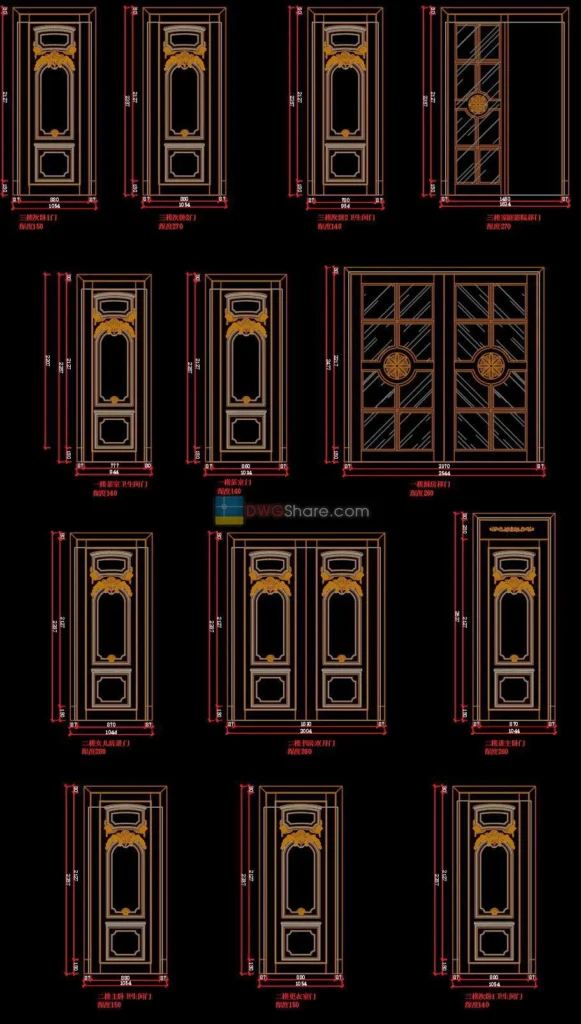
AI drafts stile widths to stay within core shear strength. It simulates warp under RH ranges and flags thin rails. Sales teams email photoreal mock-ups before lunch. Factories 3-axis routers load files, cutting samples overnight. This speed lets builders lock specs early, freezing schedules.
What warranty terms separate top-tier Chinese suppliers?
A long warranty signals quiet confidence.
Top suppliers offer five-year structure and two-year finish coverage, include return freight, and reply within 24 hours—clauses that low-tier vendors omit.
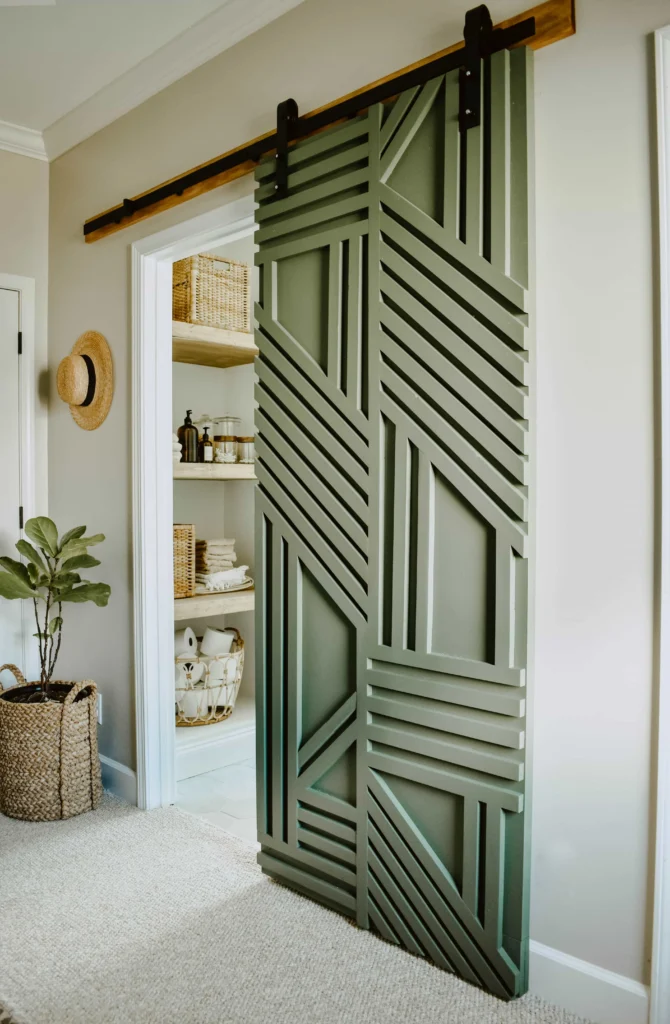
Check response window, freight responsibility, and pro-rated rates. Better terms state “replace or refund at supplier’s choice” within 30 days of proof. Look for separate coverage on glass inserts and hardware. A clear warranty reduces future project disputes.
How can mixed loads reduce container shipping rates?
Half-full boxes waste money.
Combining doors with trim, hardware, and flooring from nearby plants fills cube to 90 %, dropping per-door freight by up to $12 on trans-Pacific runs.

Consolidators near Qingdao gather goods weekly. They create pallet diagrams to balance weight and avoid crush. Freight forwarders bill per cubic meter, so dead air vanishes. Insurance covers full manifest; customs splits duty by HS code. Mixed loads cut the “freight shock” that kills project margins on small orders.
Conclusion
Match quality data, eco-proof, and smart logistics, and China’s door giants will deliver sturdy, timely products that keep your projects profitable.
FAQ
Are Chinese door cores moisture-sealed at the factory?
Yes—PU edge sealant is now standard on export lines; verify spec sheet before PO.
Can I order fire-rated doors from the same plants?
Most top mills hold UL or BS fire certificates; lead time adds one week for intumescent strip.
How long does sea freight from Ningbo to LA take?
Typically 17–19 days port-to-port; add three days for customs and drayage.
What percentage deposit is typical when ordering?
Standard is 30 % T/T deposit, 70 % balance against B/L copy; L/C accepted for orders over $50 k.
Do factories supply pre-installed hardware?
Yes, many mount hinges and locks to cut on-site labor; confirm compatibilities in drawings.
Is container fumigation required?
Only if solid-wood pallets are untreated; certified heat-treated pallets skip fumigation.