
Projects break when cabinets arrive late, chipped, or the wrong size.
This guide shows how to buy factory-direct cabinets without guesswork: how to spec materials, choose construction, size boxes, compare costs, check QC, set realistic MOQs and lead times, and ship on fair terms.
Follow the steps, keep control, and land boxes that fit first time.
Which kitchen cabinet materials last longest in busy homes?
Bad materials swell, chip, and sag under daily use.
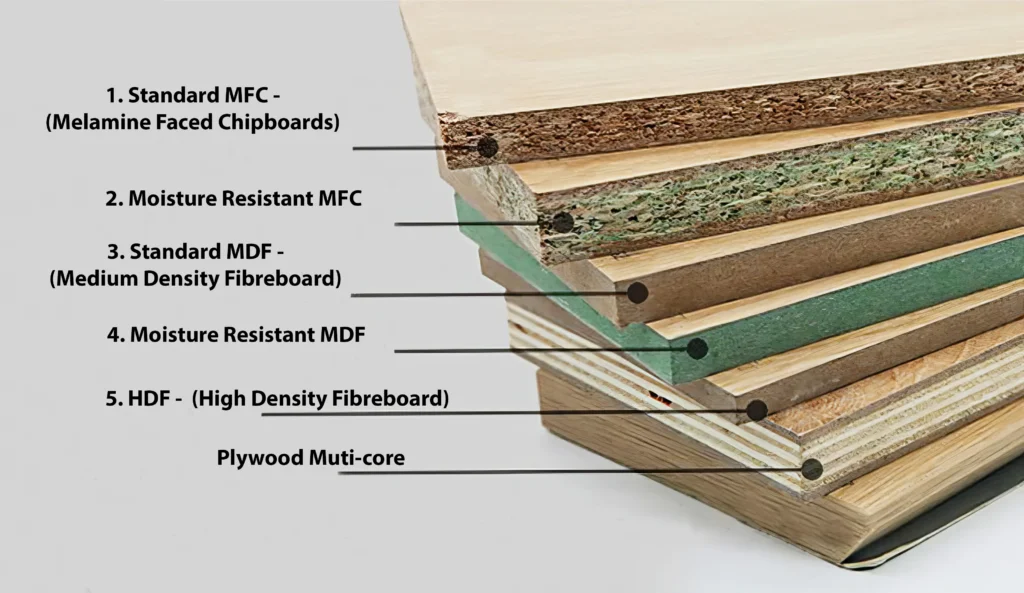
Engineered plywood boxes with moisture-resistant glue, double-sided melamine interiors, and solid or MDF doors with durable topcoat deliver the best balance of strength, stability, and easy cleaning for family kitchens.If you’re looking for cabinetry solutions for your project, visit our cabinetry page on our website for answers. Contacting us can expedite your project.
What “long-lasting” really means
- Stays square: boxes resist racking on delivery and during install.
- Stays smooth: surfaces clean with mild soap; no staining or fuzzing.
- Holds hardware: screws do not strip after years of use.
Material snapshot
| Part | Best-in-class choice | Why it helps |
| Box (carcass) | MR plywood (e.g., poplar core) | Strong, screw-holding, warp-resistant |
| Interior | Double-sided melamine | Wipes clean, uniform color |
| Shelves | Plywood + edge band | High span strength |
| Doors | MDF (paint) / solid wood (stain) | Smooth paint or natural grain |
| Back panel | ⅝″–¾″ full back | Adds squareness and strength |
Ask for formaldehyde-compliant panels (e.g., CARB II / E0 levels), moisture tests, and screw pull-out data. These specs predict real-world life more than marketing names.
Face-frame or frameless cabinets: which fits my layout?
Wrong platform locks you into awkward fillers.
Frameless (European) gives more interior space and tighter reveals; face-frame brings classic looks and easier door alignment on imperfect walls. Choose by style, storage needs, and installer comfort.

Quick comparison
| Feature | Frameless | Face-frame |
| Look | Clean, modern lines | Classic, traditional |
| Storage | +5–10% interior width | Slightly less |
| Adjustability | Hinges fully concealed, 3-way | Hinges can be inset/overlay |
| Install forgiveness | Needs truer walls | Hides small gaps better |
| Cost | Often slightly higher | Often slightly lower |
For small kitchens, frameless unlocks space. For historic homes with wavy walls, face-frame eases scribe and alignment. Match drawer systems and hinges to the platform you pick.
Plywood vs particle board cabinet carcass: which holds up better?
Cheap boxes sag; repairs cost more than upgrades.
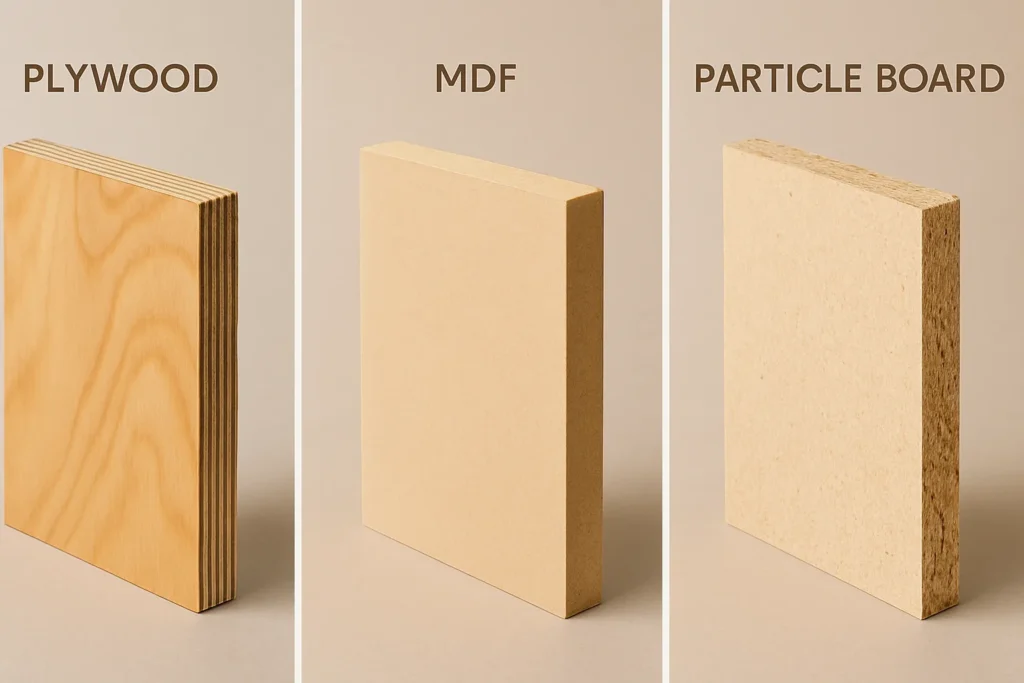
Plywood carcasses hold screws better, resist swelling, and tolerate jobsite moisture better than particle board. High-density particle board can work in dry interiors but needs perfect edge sealing.
Strength and moisture
| Metric | Plywood box | Particle board box |
| Screw holding | Strong | Moderate |
| Moisture resistance | Better (MR glue options) | Fair (edges vulnerable) |
| Weight | Lighter | Heavier |
| Cost | Higher | Lower |
If you pick particle board to save cost, demand thick edge banding, sealed sink bases, and plastic feet to lift boxes off wet floors during install. For rental or heavy-use kitchens, plywood pays back in fewer service calls.
Double-sided melamine or lacquer: which cleans easier on cabinets?
Grease and dyes tell the truth on surfaces.
Double-sided melamine cleans faster and shrugs off most stains; lacquer wins on seamless, rich paint looks but needs careful cleaning and a tougher topcoat for busy homes.
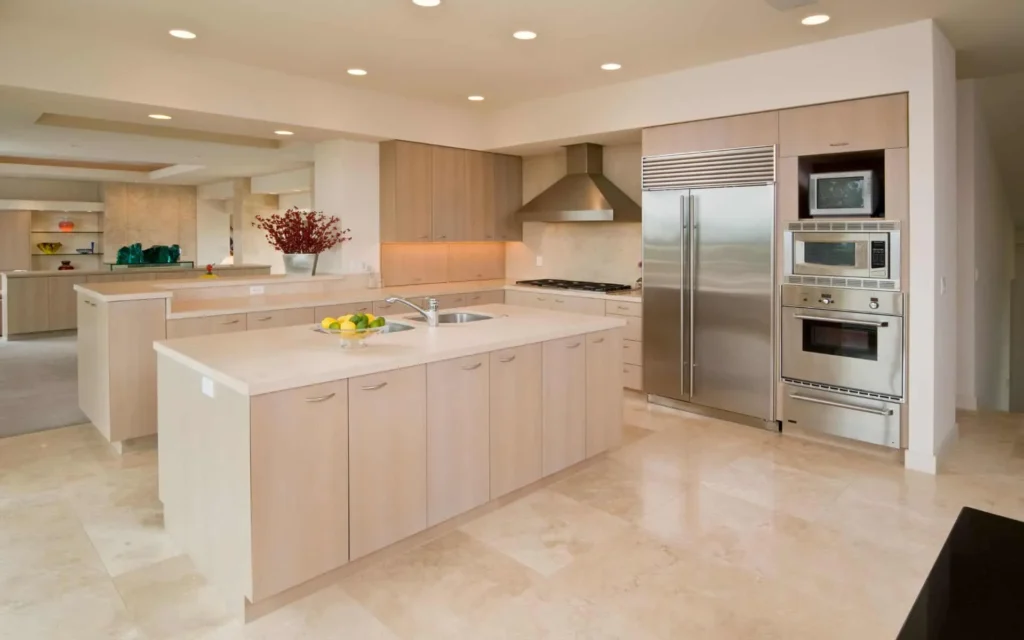
Cleaning and durability
| Finish | Wipe test | Heat/steam | Touch-up |
| Double-sided melamine | Excellent with mild soap | Good | Hard to touch-up color |
| Lacquer (paint) | Very good if cured hard如果硬化的话效果很好 | Fair–Good (depends on resin) | Easier spot repair |
For finger-pull doors and near ranges, consider laminate or PET film fronts for extra scratch resistance. If you love painted looks, ask for 2K polyurethane or UV-cured topcoats for higher hardness than basic nitro lacquer.
What are standard base and wall cabinet sizes?
Wrong sizes spawn endless fillers and uneven sightlines.
Base boxes are commonly 24″ deep × 34½″ high; wall boxes 12″ deep with heights in 30/36/42″ steps. Plan around appliances first, then fill with standard widths to keep costs down.
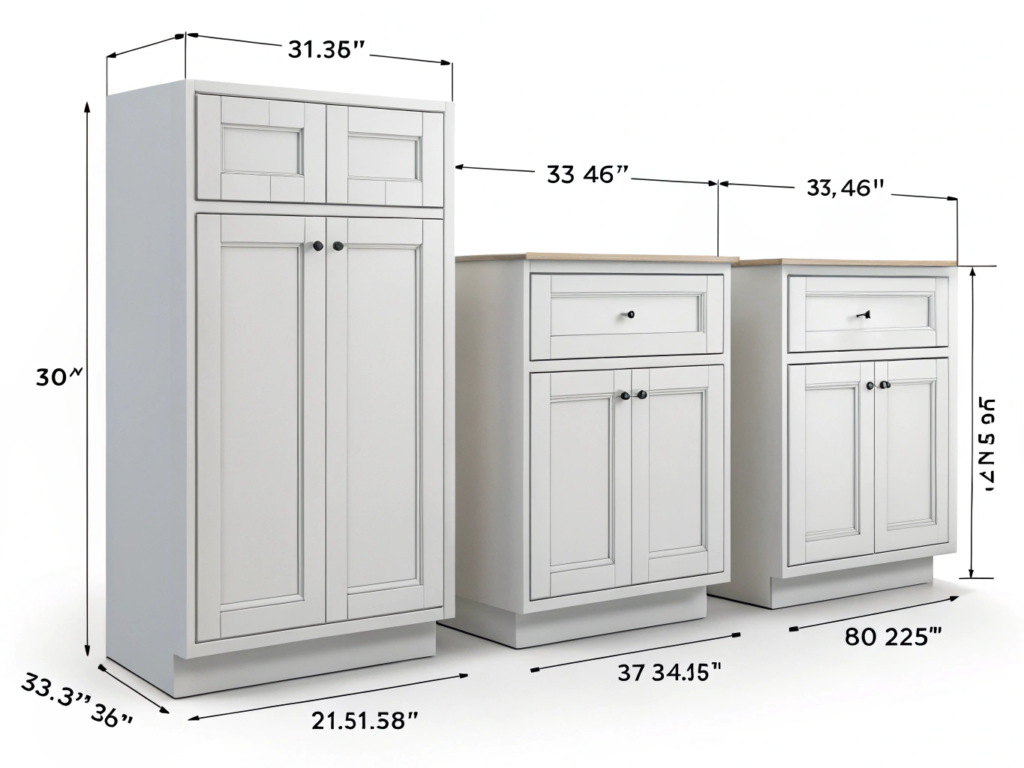
Handy sizing chart (inches)
| Type | Height | Depth | Common widths |
| Base | 34½″ (36″ with top) | 24″ | 9–36″ (3″ steps) |
| Wall | 30/36/42″ | 12″ | 9–36″ |
| Pantry | 84/90/96″ | 24″ | 18/24/30″ |
| Drawer base | 34½″ | 24″ | 12/15/18/21/24/30″ |
Lock appliance specs (range, fridge, DW) before final cabinets. Keep 36″ work triangle clearances and confirm hood height lines with wall-cab heights.
RTA or pre-assembled kitchen cabinets: which saves more?
Freight and labor play tug-of-war.
RTA (flat-pack) cuts freight and fits tight schedules; pre-assembled reduces site labor and alignment risk. If labor is costly or crews are thin, pre-assembled often wins overall cost.
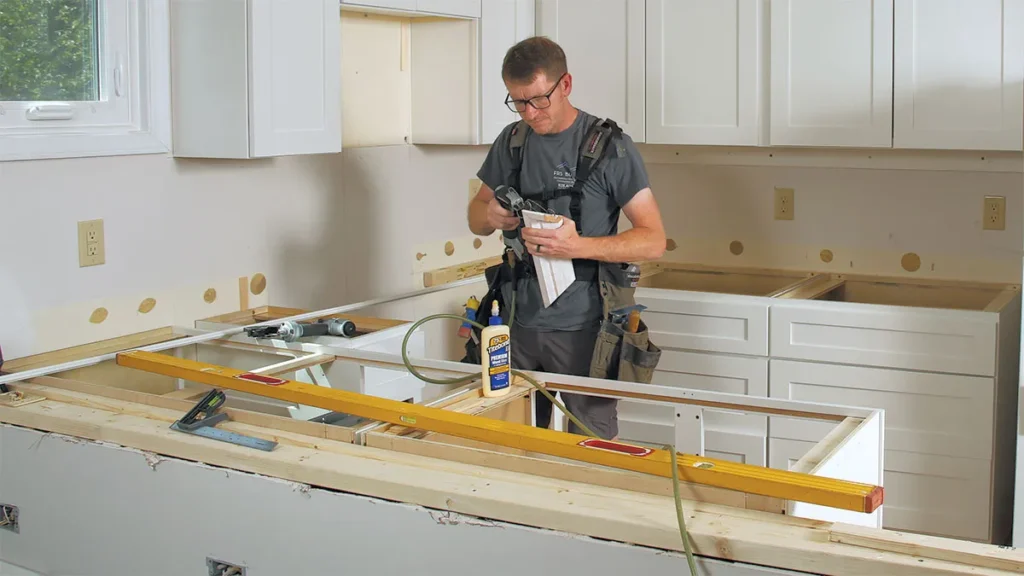
Cost/Speed matrix
| Factor | RTA | Pre-assembled |
| Freight | Lower (more boxes per pallet) | Higher |
| Assembly labor | Yours | Factory |
| Damage risk | Parts protected | Fewer parts, but bulkier |
| Speed to hang | Slower on site | Faster on site |
For RTA, ask for dowel + cam + glue joints and clear labels on every panel. For assembled, confirm squared boxes and corner protection in export crates. Either way, request a spare small parts kit in every shipment.
Do soft-close hinges and slides reduce damage and noise?
Slamming doors shorten cabinet life.
Yes. Quality soft-close hinges and full-extension slides cut impact, protect finish, and keep families sane. They also keep screws tight by reducing shock cycles at the mounting points.

What to spec
- Hinges: 3-way adjustment, clip-on cups, integrated soft-close pistons.
- Slides: Full extension, under-mount, ≥75 lb rating, synchronized for smooth feel.
- Mounting: Metal brackets in wide drawers; extra screws in high-use zones.
Test a sample door and drawer 20 times. The right hardware still feels smooth and quiet when warm, cold, empty, or loaded.
How much do kitchen cabinets cost per linear foot?
You need a real range to set budgets.
Factory-direct pricing for mid-grade cabinets often runs $120–$300 per linear foot for boxes and doors; installed totals vary widely by region, design, and hardware. Use one spec, get three quotes.

Cost drivers (big to small)
- Box material and thickness
- Door style and finish type
- Drawer systems and organizers
- Custom sizes, curves, glass, and lighting
- Freight mode and insurance
Create a spec sheet: box material, finish system, hinge/slide grade, shelf thickness, back construction, and finish color. You will get cleaner quotes and fewer change orders.
China or Vietnam cabinets: which suits my budget and timeline?
Wrong region can add weeks or hidden costs.
China offers scale, short lead times, and broad finish options; Vietnam excels at smaller batches and wood crafting. Pick by volume, finish needs, and port access rather than headlines.
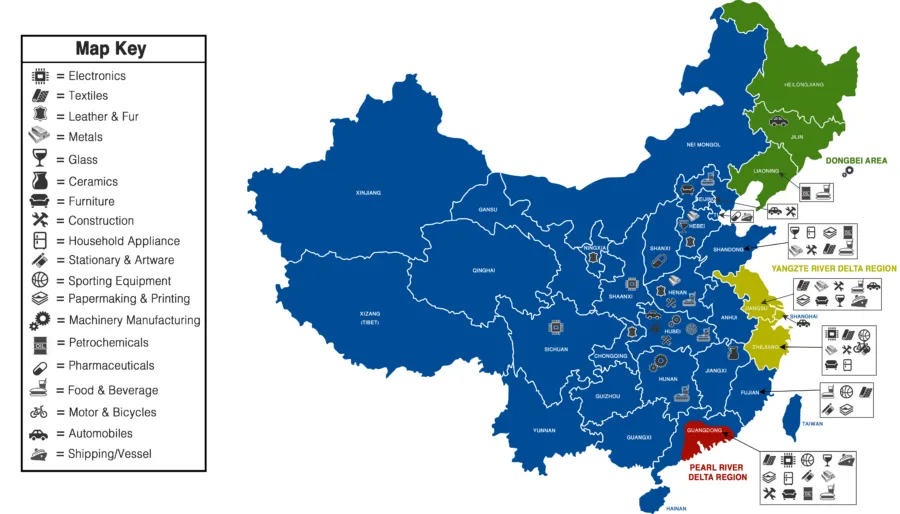
Quick chooser
| Need | China | Vietnam |
| Large volumes, many colors | Best | Good |
| Short lead times | Strong | Moderate |
| Small boutique runs | Good | Best |
| Wood detailing/handwork | Good | Strong |
| Port frequency | Very high | High |
Blend sources when possible: high-volume SKUs from a mega-plant, specialty items from a craft shop. Ship together through a consolidator to fill containers and cut per-unit freight.
What MOQ, samples, and lead times do factories require?
Surprises here derail launch dates.
Typical MOQs range from one full kitchen set or 50–100 boxes per color. Approval samples take 7–14 days; mass production runs 25–40 days after deposit and drawing sign-off.
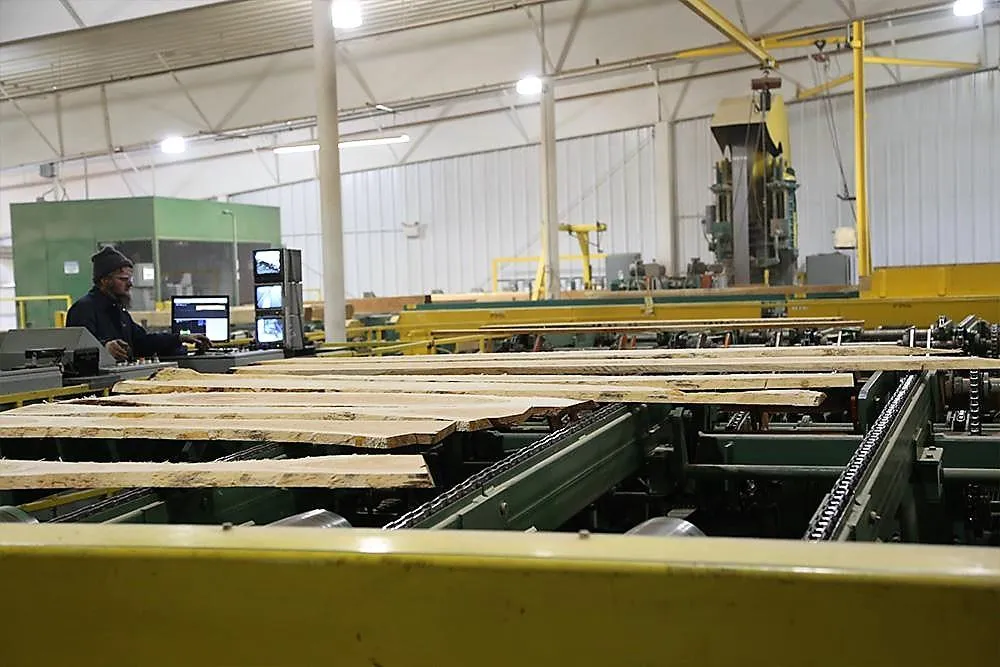
Timeline you can trust
- Day 0–5: Share drawings, finishes, and hardware list; factory returns shop drawings.
- Day 6–14: Sample door/finish and a hardware kit; you approve by photo + courier.
- Day 15–40: Production; mid-run QC photos and dimensions.
- Day 41–48: Packing, inspection, loading, and documents.
Write MOQs by color and finish in the PO to avoid last-minute “per color surcharge.” For repeat orders, ask for rolling forecasts and reserved color lots.
FOB, CIF, or DAP for cabinets: which cuts hidden fees?
Bad terms turn cheap boxes into pricey deliveries.
FOB works best if you have a trusted forwarder. CIF helps new buyers but hides destination fees. DAP removes most unknowns at a premium. Pick by risk comfort and cash flow.
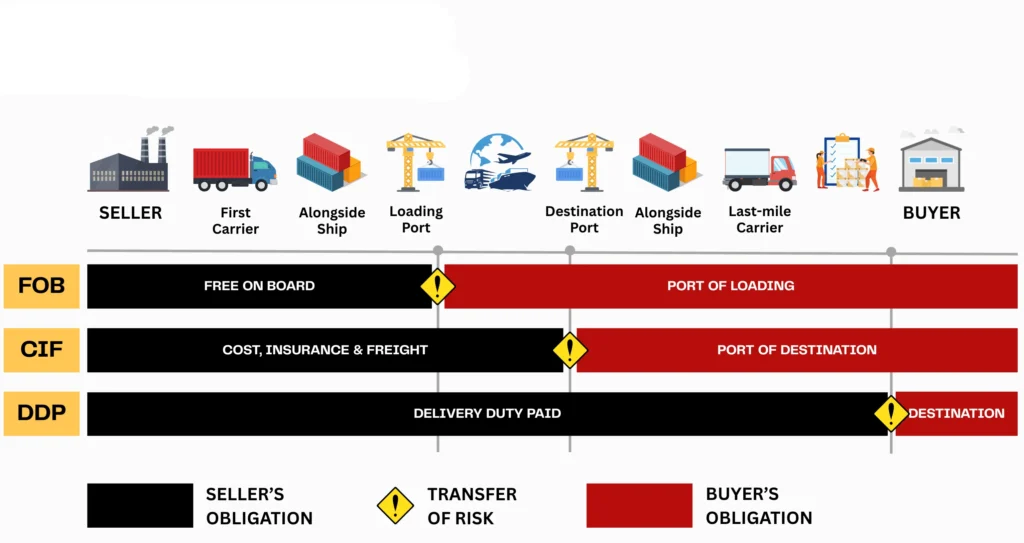
Term quick guide
| Term | You pay | Factory pays | Good for |
| FOB (port) | Ocean, insurance, destination | Export, local trucking | Experienced importers |
| CIF | Destination fees, duties | Ocean + basic insurance | First timers (partial cover) |
| DAP | Duties only | Ocean + destination | Tight schedules, low admin |
Whichever you choose, fix pack lists, HS codes, and pallet maps in advance. Ask for photos of every pallet before loading to speed claims if anything shifts in transit.
Conclusion
Lock specs, pick the right platform, confirm samples, plan a clear schedule, and choose fair shipping terms. Do this, and your 2025 factory-direct cabinets will arrive on time, square, and ready to install.