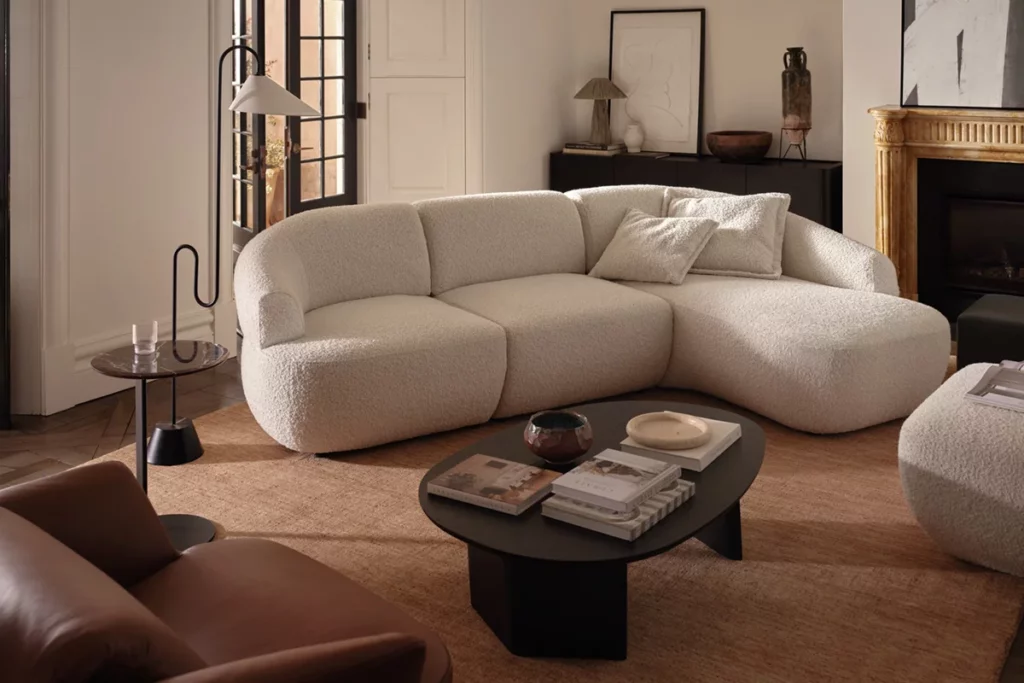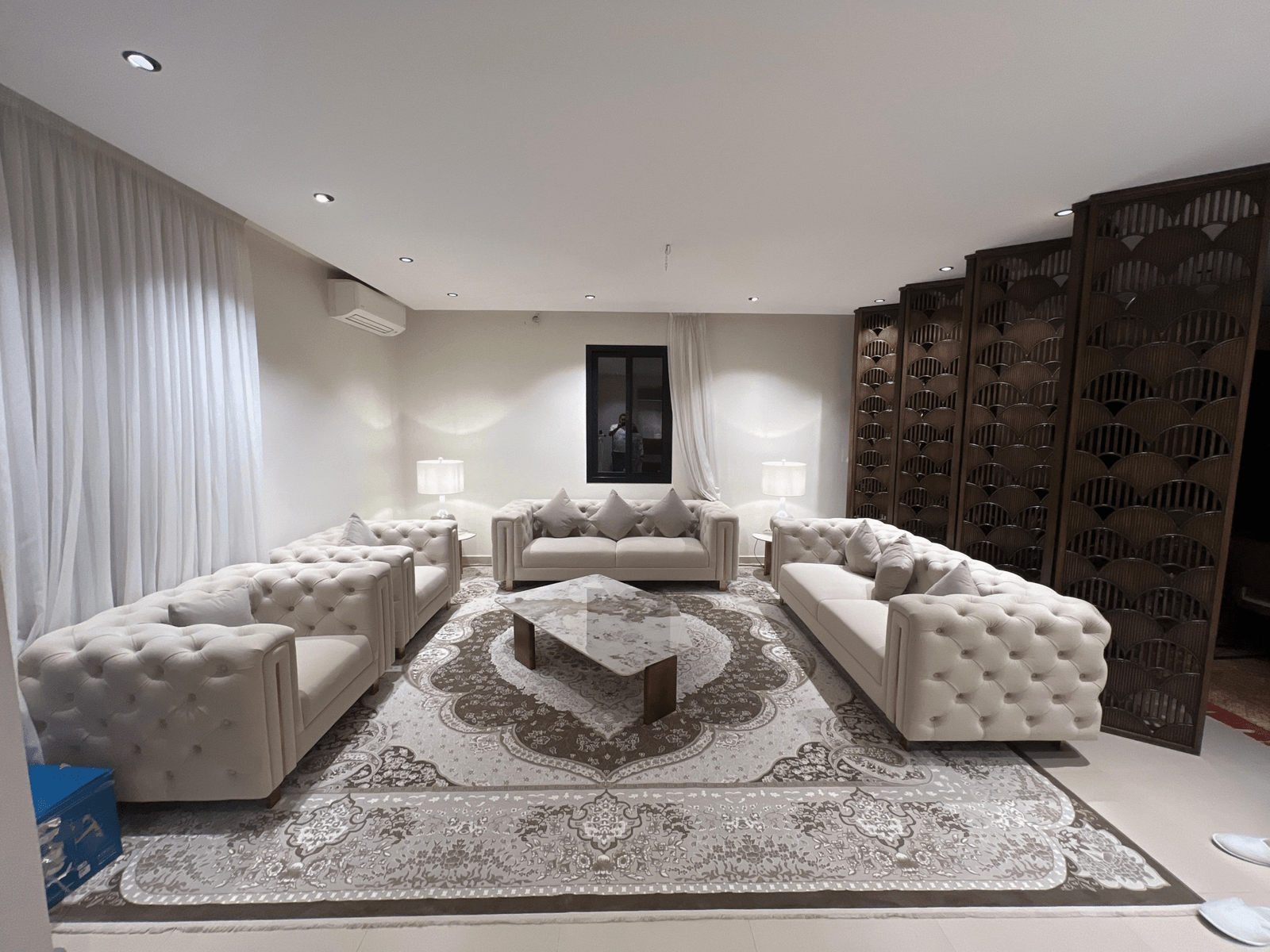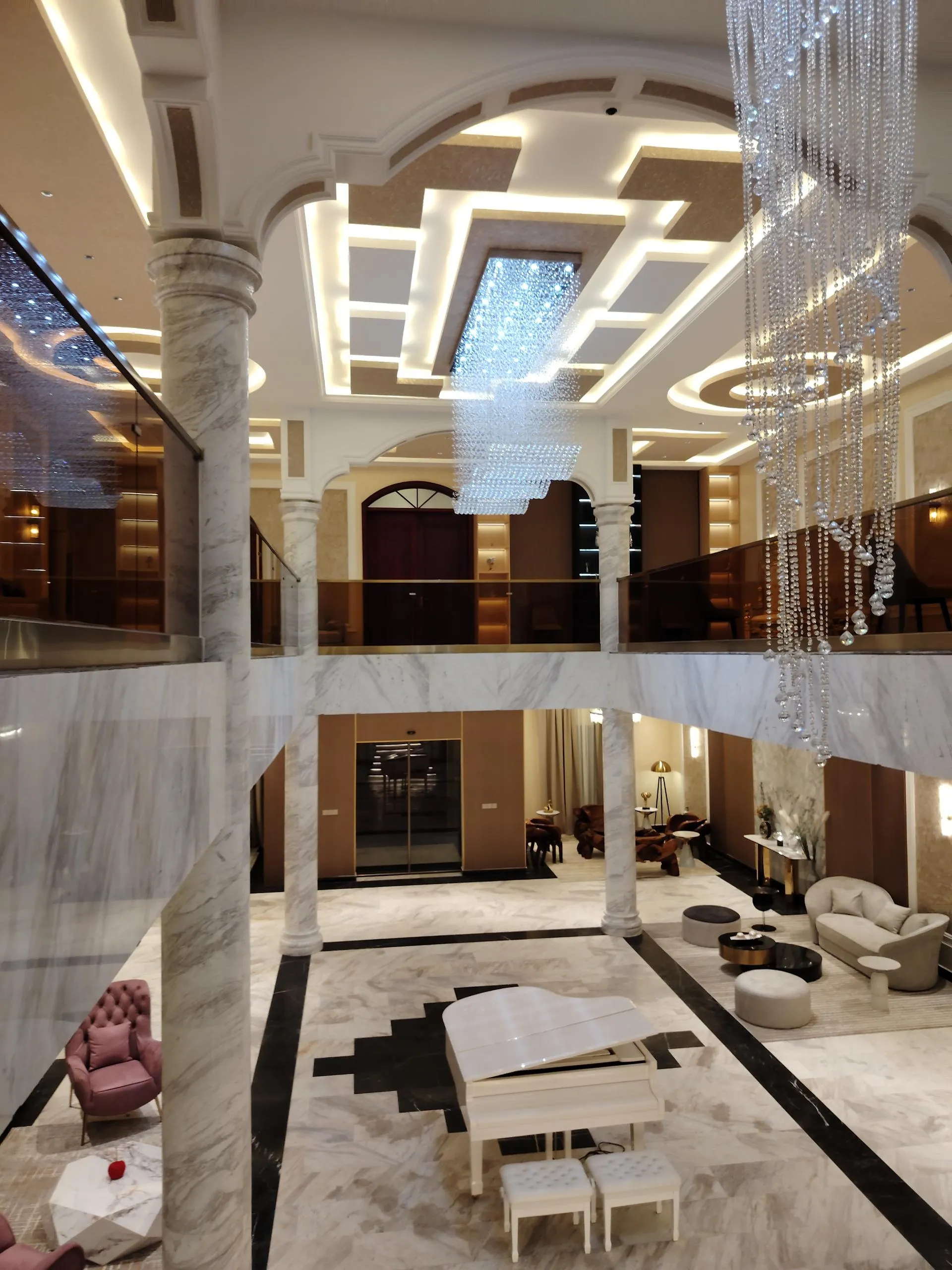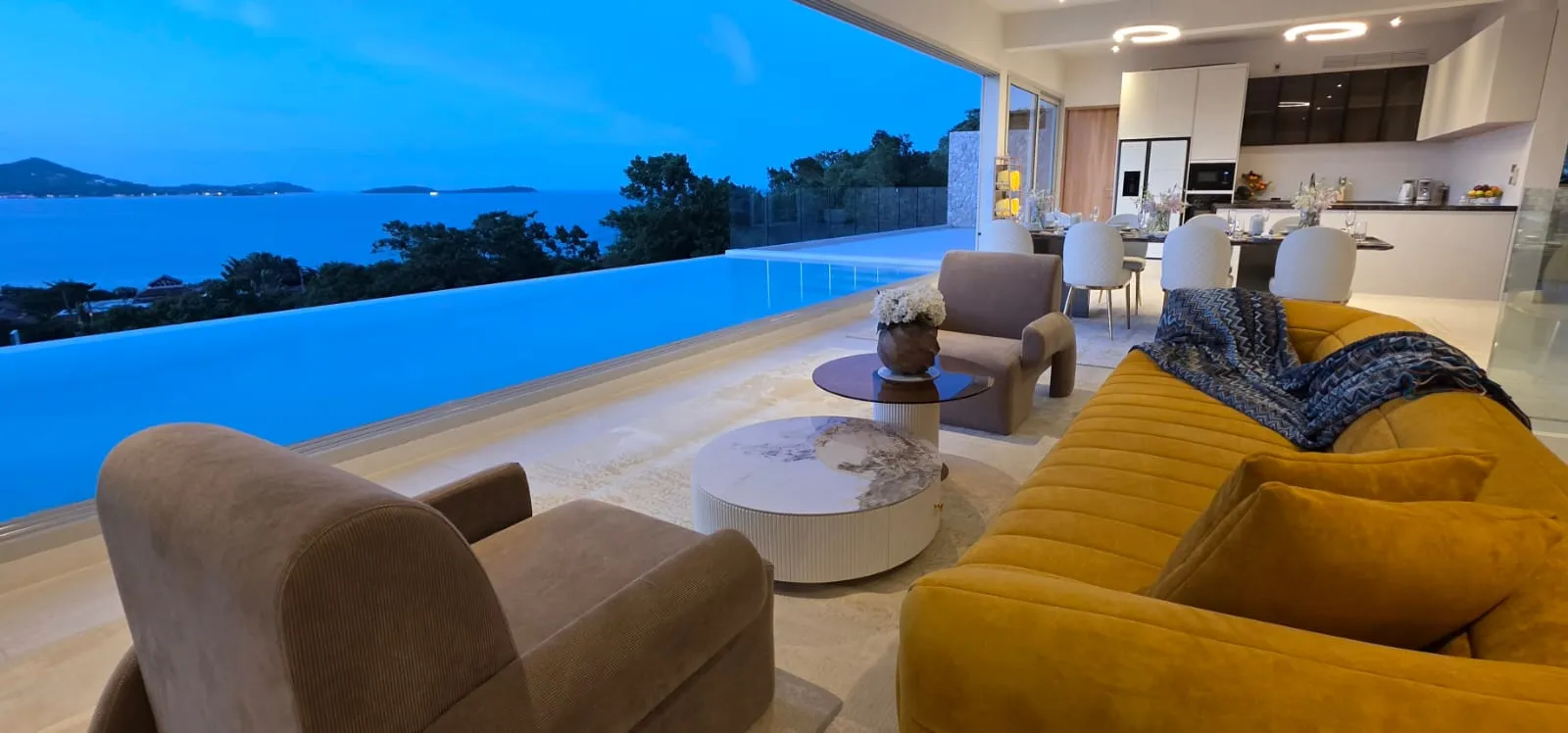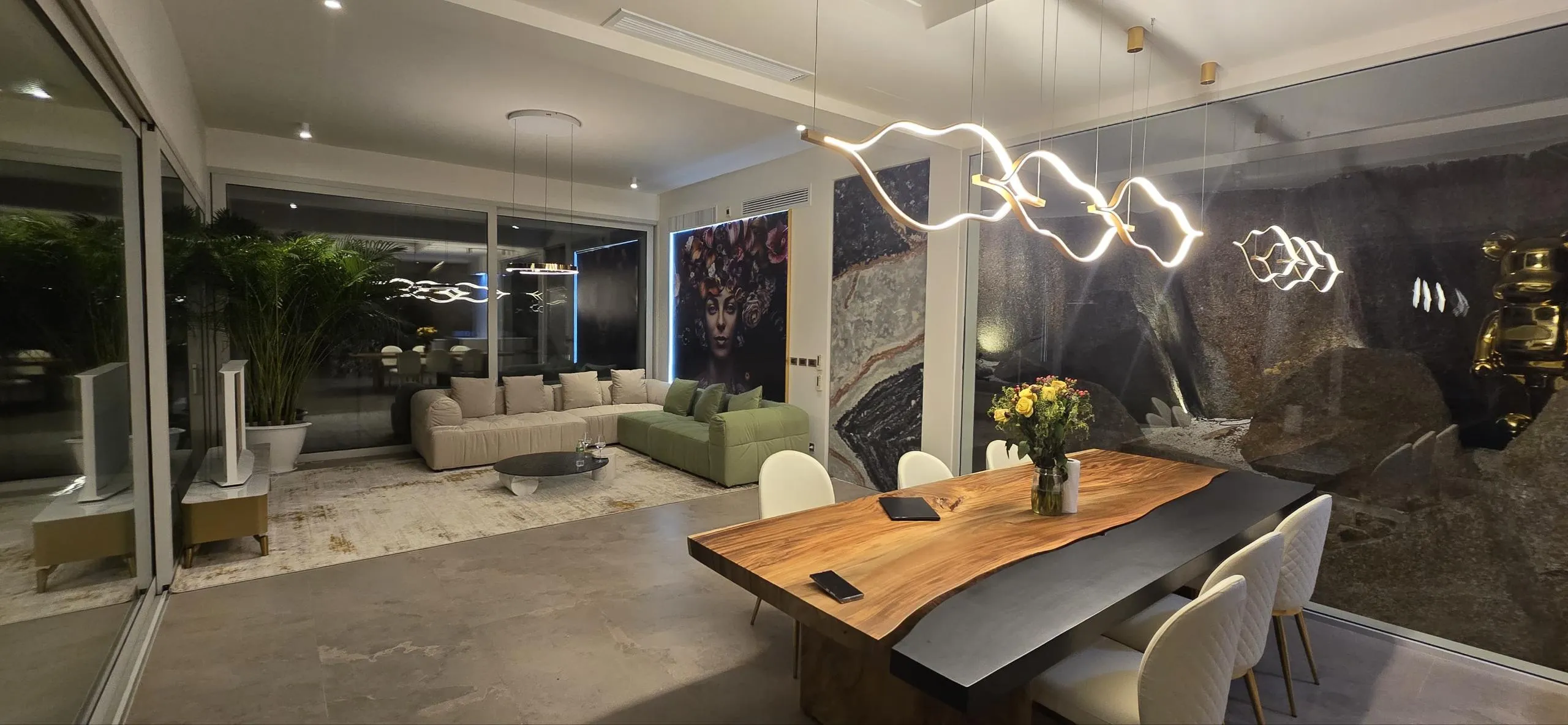
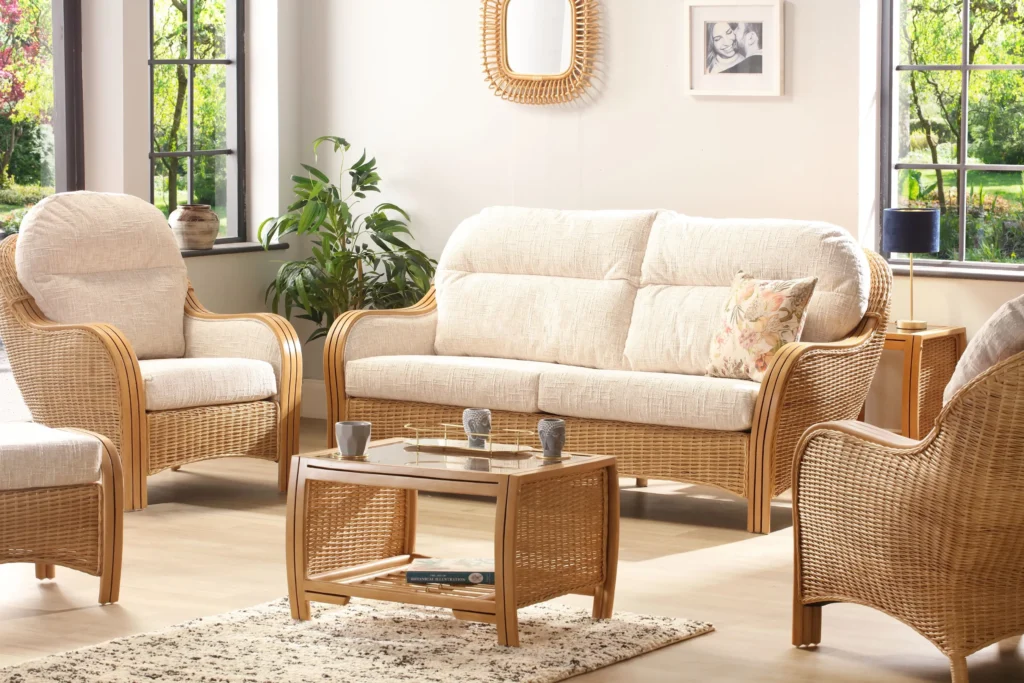
Fast furniture cracks, off-gasses, and ends up in landfill. Budgets are tight. Styles change. You want pieces that last, look good, and tread light. This playbook shows how.
We are a one-stop building-materials supplier based in Foshan, serving overseas clients. We cover kitchens, wardrobes, bathrooms, windows and doors, tiles, lighting, flooring, and wall panels. We work with homeowners, contractors, designers, developers, and builders. We support interior and facade 3D design, whole-home style matching, export logistics, and after-sales care. Advice stays simple; solutions stay practical.
Sustainable furniture means smart choices across the life cycle: materials, making, transport, use, and end-of-life. Pick certified wood, low-VOC finishes, durable joinery, and modular parts. Prefer repairable designs and circular paths like resale and recycling. Small steps compound into big impact.
You will find quick takeaways first, then deeper guidance with checklists, tables, and simple tests. Keep this open while you shop, plan, and install.
What “Sustainable Furniture” Really Means
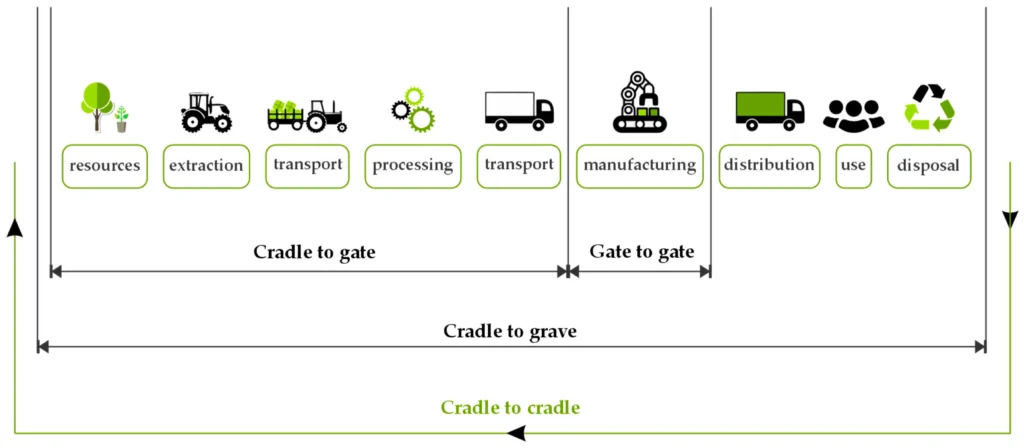
Waste grows. Budgets strain. Labels confuse. You need a clear lens. Think full life cycle, not one feature. Focus on impact from forest or factory to daily use and retirement.
In practice, sustainable furniture spreads impact across fewer, better items. It blends low-impact materials, efficient manufacturing, repairable design, and clear end-of-life paths. A helpful method is life-cycle assessment, which checks each stage to avoid “green” claims that only shift problems to another step.
The Five-Step Lens
Use this lens to compare two items side by side. It keeps you honest and fast.
| Stage | What to Check | Quick Questions |
| Materials | Renewed, recycled, or responsibly sourced | FSC wood? Recycled content? Minimal mixed composites? |
| Manufacturing | Energy, waste, and worker safety | Efficient cuts? Non-toxic glues? Offcut reuse? |
| Transport | Distance, density, and packaging | Flat-pack? Local or regional? Recyclable packaging? |
| Use | Durability and indoor air | Solid joinery? Low volatile organic compound (VOC) finishes? Replaceable parts? |
| End-of-Life | Disassembly and next use | Screws over glue? Take-back or resale? Recyclable mono-materials? |
Two Simple Tests
- Touch & fasteners test: Can you access screws and swap parts? If yes, repairs are likely.
- Time test: Will this look right in five years? Timeless shapes outlast trends and reduce waste.
Materials That Matter: Wood, Bamboo, Metals, Plastics, and Textiles
You shop for looks. Impacts hide under the surface. Materials drive most of the footprint. Choose strong, low-tox, and repair-friendly ingredients first; color and texture come after.
Start with certified or recycled inputs, then check durability. Solid wood and FSC plywood repair well. Bamboo regrows fast. Recycled metals and plastics keep materials in the loop. Natural textiles breathe and age well.

Quick Material Matrix
| Material | Best Use | Strengths | Watch-outs |
| Solid wood (FSC) | Frames, tops | Repairable, ages well | Needs finish care; avoid illegal logging |
| Engineered wood (low-formaldehyde) | Shelves, interiors | Stable, efficient yield | Harder to recycle; check glue standards |
| Bamboo | Frames, panels | Fast-growing, strong | Quality varies; mind adhesives |
| Recycled metals (aluminum/steel) | Bases, outdoor | Highly recyclable, durable | Energy in smelting; sharp edges if thin |
| Recycled plastic | Outdoor, kids | Weather-proof, low upkeep | Mixed streams can limit recyclability |
| Natural textiles (linen, wool, cotton) | Covers, curtains | Breathable, repairable | Stain care; verify dye/finish safety |
Notes You Can Use
- Ask for FSC (Forest Stewardship Council) wood to back responsible forestry.
- Bamboo grows fast and can be a strong low-impact choice when glues are controlled and designs are repairable.
- Recycled aluminum recycles again with low loss; keep bases mono-material for future loops.
- Choose undyed or low-impact dyed fabrics where possible. Slipcovers stretch lifespans.
Low-Emission Finishes and Healthy Indoor Air
Air matters. Strong smells and slow headaches signal high VOCs. Choose finishes, foams, and adhesives that keep indoor air clean, then let pieces cure with airflow before use.
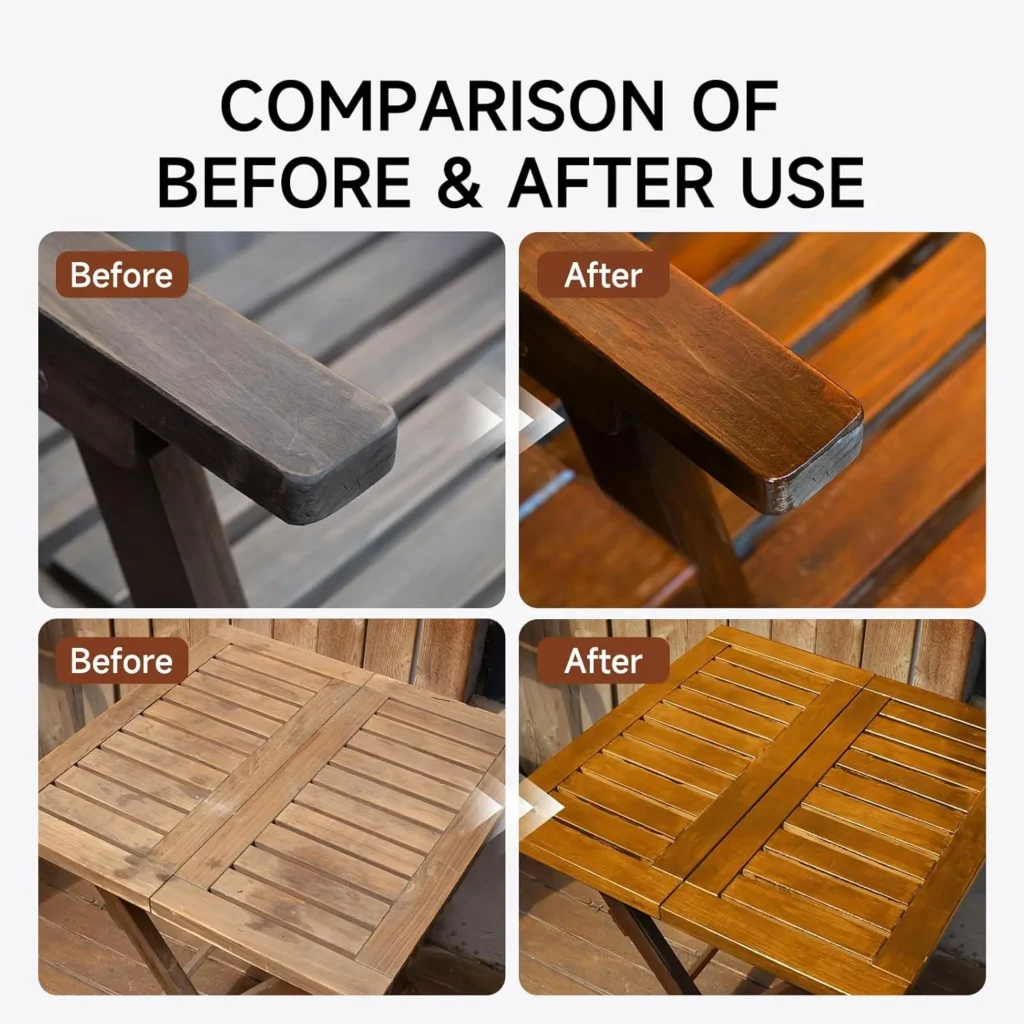
A good rule: water-based or hardwax finishes, low-VOC foams and glues, and simple cleaning. Read labels. If the finish is vague, ask for a data sheet. Safer inputs mean calmer rooms.
Finish & Adhesive Snapshot
| Category | Typical Options | Good Signs | Caution |
| Wood finishes | Water-borne poly, plant oils/hardwax | Low-VOC, clear cure time | Solvent-heavy lacquers without data |
| Upholstery foams | Certi-tested or natural latex | Low emissions, no added flame retardants | Mystery foam, strong odor |
| Adhesives | Water-based PVA, soy/MDI for panels | Low-formaldehyde claims, tested | Old urea-formaldehyde in cheap boards |
Keep windows open during first weeks. Drying lowers VOCs. For context on emissions, see volatile organic compound.
Design for Longevity: Repair, Modularity, and Parts Access
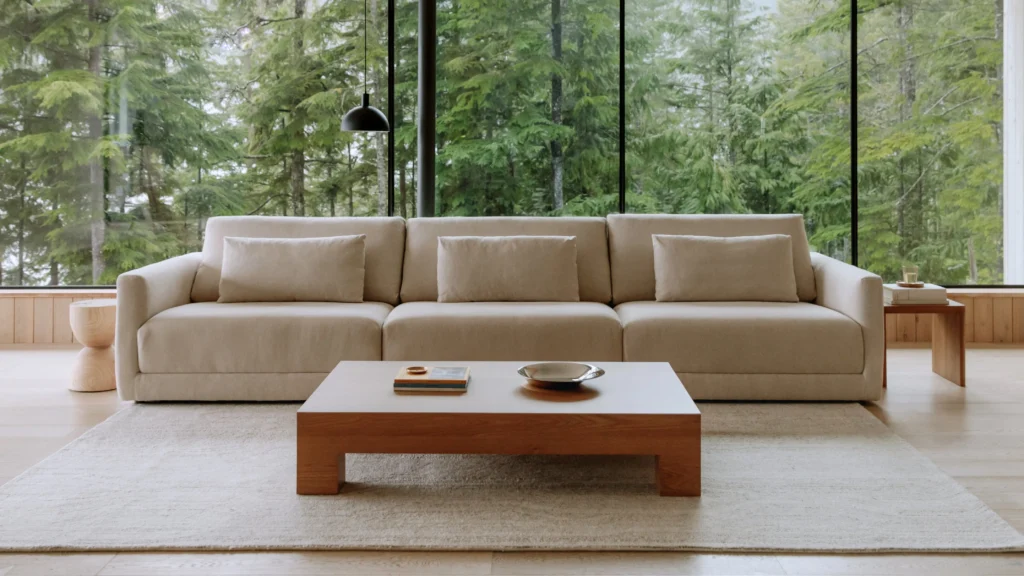
Most waste comes from pieces that fail early or cannot be repaired. Design saves the day. Look for frames that open, hardware you can reach, and modules you can replace.
Longevity is a system: timeless shape, standard parts, and clear hardware. These keep a sofa or cabinet in service through moves, new homes, and new tastes.
Longevity Checklist
| Feature | Why It Extends Life | What to Ask |
| Bolted frames | Re-tighten and move safely | “Can I access all bolts?” |
| Removable covers | Clean and refresh style | “Are covers machine-washable or replaceable?” |
| Standard hardware | Source parts for decades | “Are hinges/runners standard sizes?” |
| Modular units | Expand or reconfigure | “Can I add a section later?” |
| Refinish-friendly | Sand and recoat | “What finish is on the wood?” |
Deep Dive: Circular Thinking at Home
You do not need a factory to practice circular design. Keep a small parts kit with extra feet, sliders, and screws. Record finish and fabric codes for future matches. When tastes change, repaint bases and switch tops rather than buying new. When life changes, reconfigure modules instead of replacing the whole set. These habits follow the circular economy idea: keep products and materials in use longer and design waste out of the system.
Certifications and Labels, Decoded
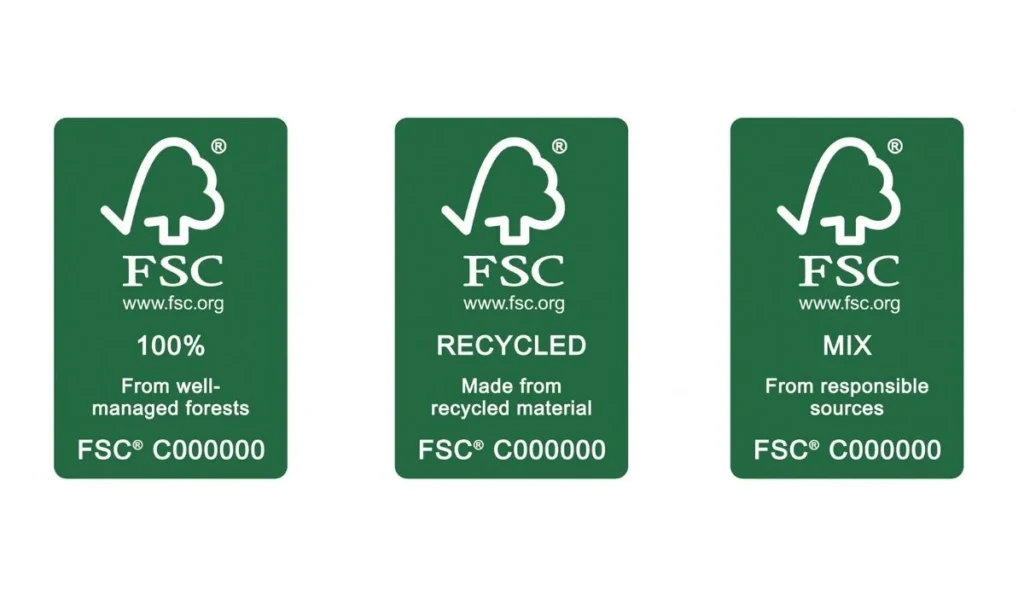
Logos help, but only when you know what they mean. Use a short list. Focus on wood, indoor air, and textiles. Ask sellers to show current certificates or product pages.
A common anchor is FSC for wood. For air, look for low-emission claims backed by recognized testing. For textiles, seek independent chemicals checks. Keep the list short and workable.
Quick Label Map
| Scope | Look For | What It Signals |
| Wood | FSC | Forests managed responsibly; verified chain of custody (see: Forest Stewardship Council). |
| Indoor air | Low-emission claims from recognized labs | Reduced VOC emissions in finished products. |
| Textiles | OEKO-TEX-type chemical checks | Limits on harmful substances in fabrics and threads. |
| Process | Recycled content statements | Clear percentage of recycled input by weight. |
Tip: If a seller cannot explain a label in one minute or share a page with scope and dates, treat it as marketing, not proof.
Smarter Logistics, Packaging, and End-of-Life
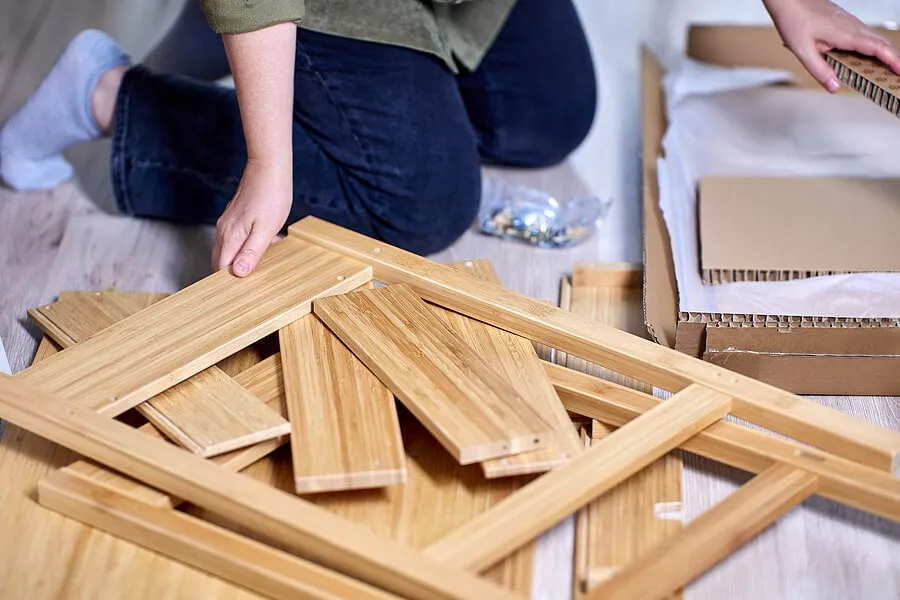
Footprint is not only materials. It is also distance, density, and the end. Flat-pack saves space. Local assembly creates jobs and trims shipping emissions. Clear paths at the end close the loop.
Plan moves when you buy. Choose knock-down designs if your space has tight stairs. Prefer recyclable or minimal packaging. Ask about take-back or trade-in. Resale beats disposal.
Transport & Afterlife Tactics
| Tactic | Why It Helps | Example |
| Flat-pack + sturdy joinery | More units per truck, lower damage | Bolt-through frames with corner blocks |
| Recyclable packaging | Easy sorting, less landfill | Cardboard + paper tape, no mixed foams |
| Disassembly design | Speeds repair and recycling | Screws over staples, labeled parts |
| Resale/repair paths | Keeps items in use | Replaceable cushions; spare hinges available |
End with a plan: keep purchase records, manuals, and finish notes together. Future you will thank present you.
Budget and Style: Make It Work in Real Rooms
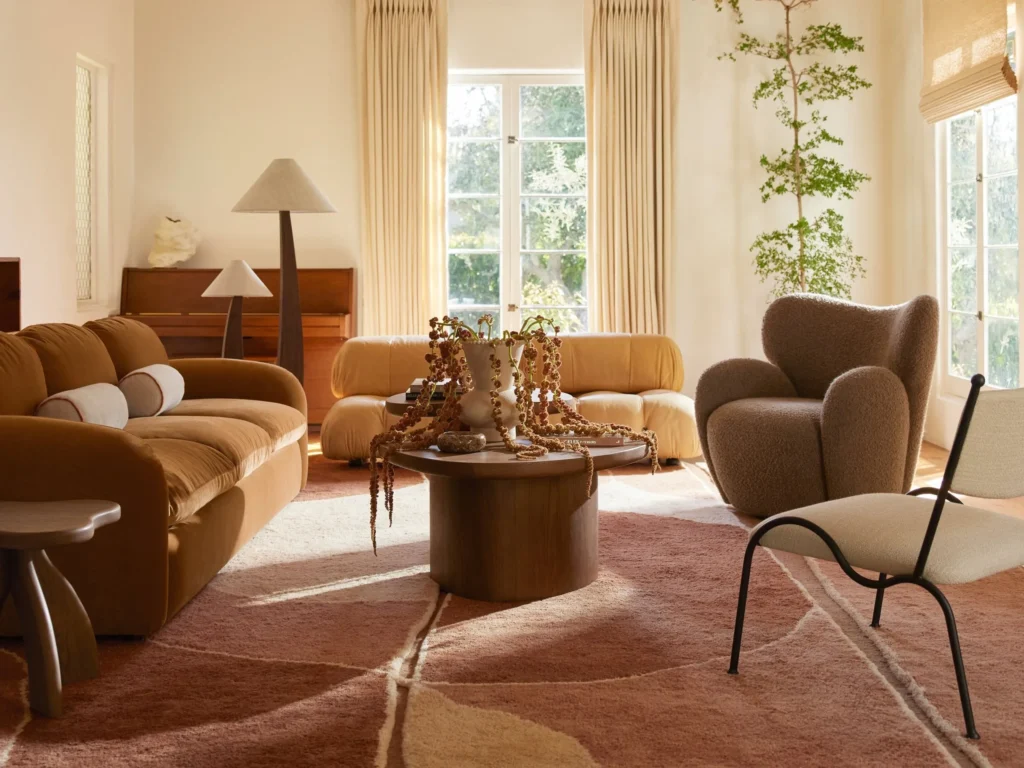
Sustainable can look good and add up. Spend where structure matters. Save on trend layers. Mix new staples with pre-loved accents. The result feels personal and reduces waste.
Treat style like a long game. Calm shapes, honest materials, and good light beat fads. Swap covers and lamps before swapping big frames.
Where to Spend vs. Save
| Category | Spend On | Save On |
| Frames | Solid wood, strong joinery | Hidden backs or sides |
| Seats | High-resilience core, replaceable covers | Trend pillows you can sew |
| Tables | Durable tops (wood you can refinish) | Decorative accents and art |
| Storage | Quality runners/hinges | Inside dividers you can add later |
Styling Moves That Support the Planet
- Pick one tone base (wood/neutral fabric). Add seasonal color with throws.
- Use one statement piece per room; keep others simple.
- Add plants and natural light; they make all materials read warmer.
- When in doubt, choose touchable textures over loud patterns. They age slower.
Conclusion
Buy fewer, better pieces. Check materials, finishes, and design for repair. Use labels wisely. Plan logistics and afterlife. Your rooms will look calm, last longer, and waste less.
Share Your Plan, Get Ideas
Have a mood board or room size? Send it along. We will mark quick wins, shortlist materials and finishes, and sketch a simple layout with clear budgets. 想开始了吗?把户型图发给我们就行。