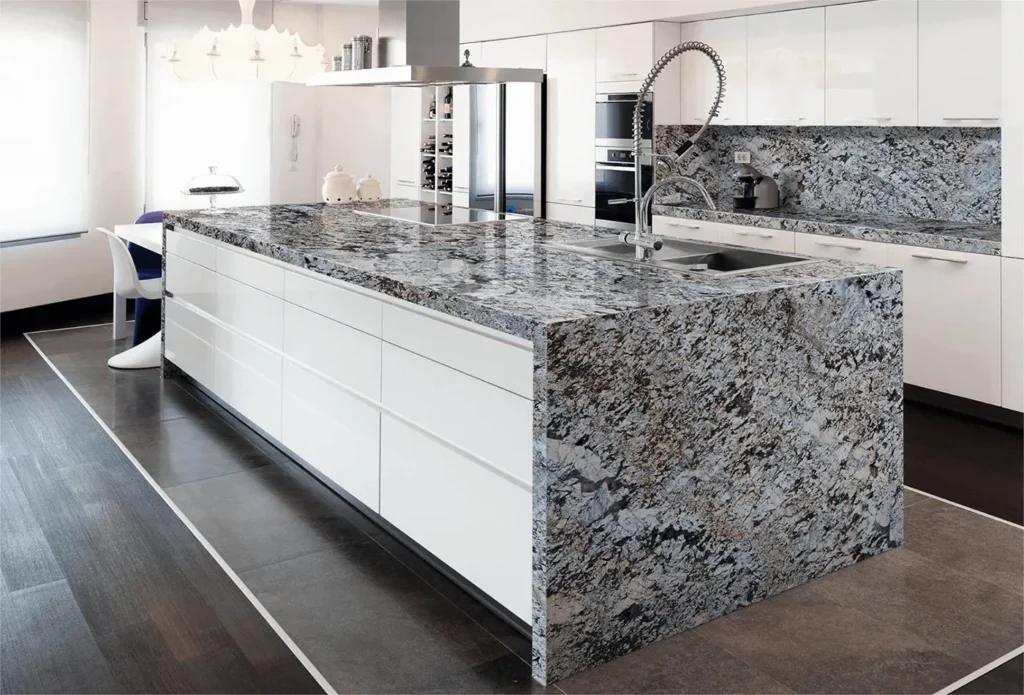

Streaks, rings, and mystery stains make great stone look tired. Use simple steps that protect the surface, keep color rich, and avoid costly fixes.
We are a one-stop building-materials partner based in Foshan, serving overseas projects. We supply kitchens, wardrobes, bathrooms, windows and doors, tiles, lighting, flooring, and wall panels. We support homeowners, renovators, designers, developers, and builders. We also help with interior and facade 3D design, whole-home style matching, export logistics, and after-sales support. The goal is clear guidance and steady results for real homes.
Granite stays beautiful with pH-neutral cleaning, fast spill control, and smart sealing when the stone needs it. Test with water, match the stain type to the right poultice, and dry the surface after every wash. Most care takes minutes and uses basic tools.
Below you will find size-free rules you can trust. Read a section, try one small change, and your counters will look better by tonight.
Know Your Stone: Composition, Hardness, and Porosity
Chips, dull spots, or stains often come from confusion about the material. Know how granite is built and you will choose the right cleaner and sealer.
Granite is a hard, crystalline rock rich in quartz and feldspar. It resists heat and wear, yet it still has pores. That means spills can darken the surface if left to soak. Learn the basics, then care is simple. For context, see granite and porosity.
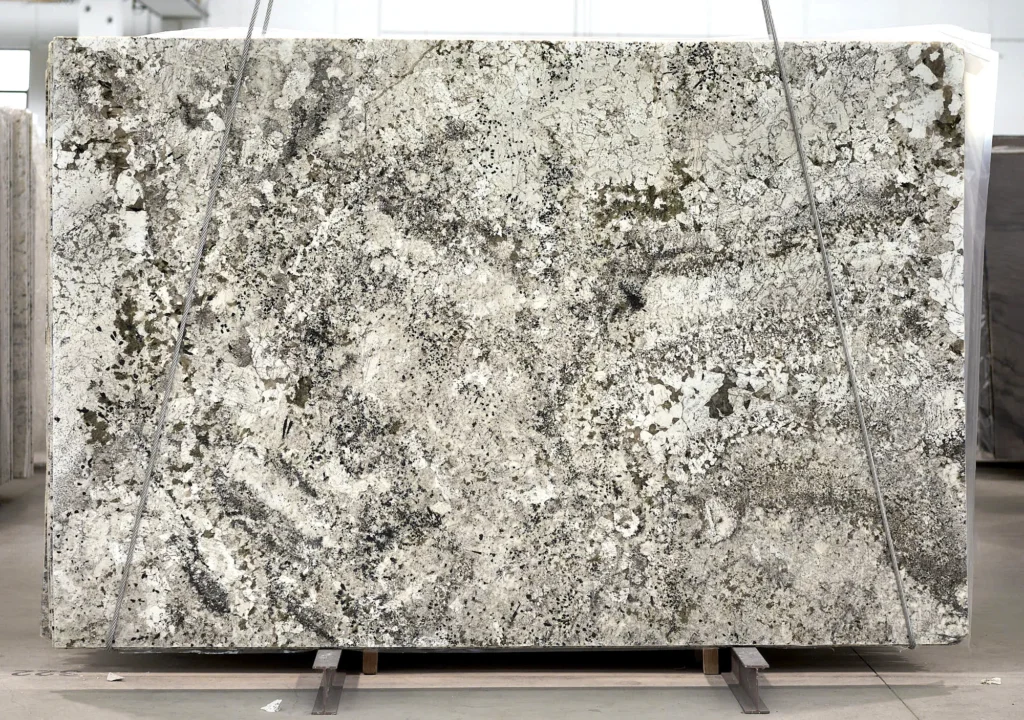
Granite’s strength comes from interlocking crystals. Most slabs rank high on hardness, so everyday contact rarely scratches the top. Yet porosity varies by color and quarry. Dark, tight-grained granites often absorb less; light or open-grain stones may take in liquids faster. Sealers slow absorption; they do not form a thick film. Heat does not melt granite, but thermal shock can stress small areas, so hot pads still help. Edges and cutouts are the weak points. Treat them gently. The main enemies are standing oil, pigment-heavy liquids, and strong acids that can attack fillers or any calcite veins inside mixed stones. Keep a simple mindset: wipe fast, use neutral products, and test before you try a new chemical. If you cut or drill the stone, protect yourself from dust. Granite fabrication dust can hold crystalline silica; dry grinding should stay off the to-do list at home.
Quick facts
| Property | What it means for you |
| Hardness (quartz-rich) | Resists daily wear but still chip-prone at edges |
| Porosity (varies) | Some slabs need sealing; others do not |
| Heat tolerance | Good, but use trivets to avoid shock |
| Chemistry | Avoid strong acids; stay pH-neutral |
Daily Cleaning That Protects the Finish
Residue builds up. Water spots form. You need a gentle routine that works after cooking and does not strip sealers.
Use warm water, a few drops of mild dish soap, and a soft microfiber cloth. Rinse and dry. Drying stops mineral spots, keeps shine even, and cuts streaks the fastest.
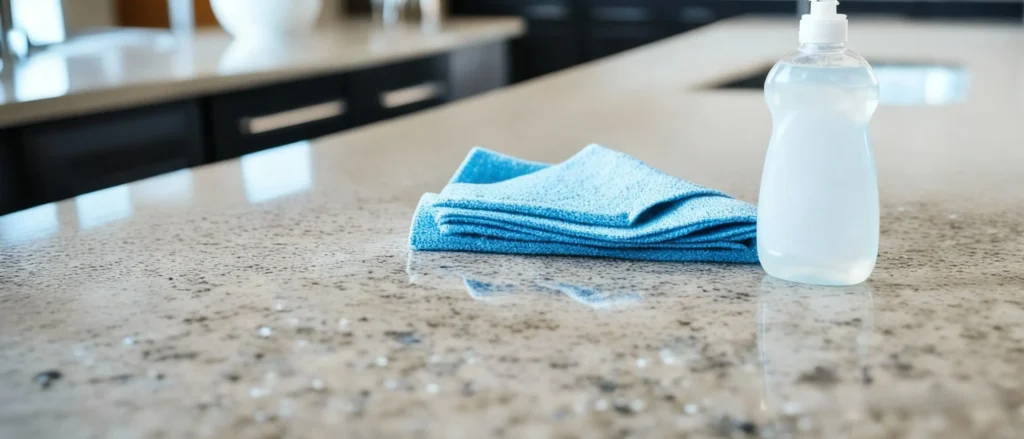
Daily care is simple. Start with a dry dust wipe to remove grit. Add a small amount of mild soap to warm water. Wipe in overlapping passes. Rinse with clean water to lift the surfactant film. Dry with a separate cloth so no water remains to leave rings. Keep a small tray under pumps and bottles to stop drips. If you want to disinfect after handling raw foods, use an alcohol-water mix per your local guidance, then rinse and dry. Skip harsh acids and abrasive powders. They can dull the finish or attack polymer fills at seams. Watch the pH of any cleaner. Stay near neutral. If you like a glassy look, a stone-safe spray can add a quick gloss, but do not rely on shine sprays to hide damage. Shine that lasts comes from clean, dry stone and good light. For baths, pull water to the sink with a squeegee after use. It takes ten seconds and blocks hard-water haze.
Daily kit
| Item | Why it helps |
| Mild dish soap | Cuts grease without harsh pH swing |
| Two microfibers | One to wash, one to dry |
| Spray bottle (water) | Easy rinse between tasks |
| Small tray/coaster | Stops oils from creeping |
Stain Types and Poultice That Works
One cleaner does not fix all stains. Oil and tannin behave differently. Match the stain to the method and you will lift it without guesswork.
Group stains into oil-based, organic/pigment, and metal-related. Use the right poultice paste and the right solvent or oxidizer. Give it time. Keep the area wet under plastic wrap.
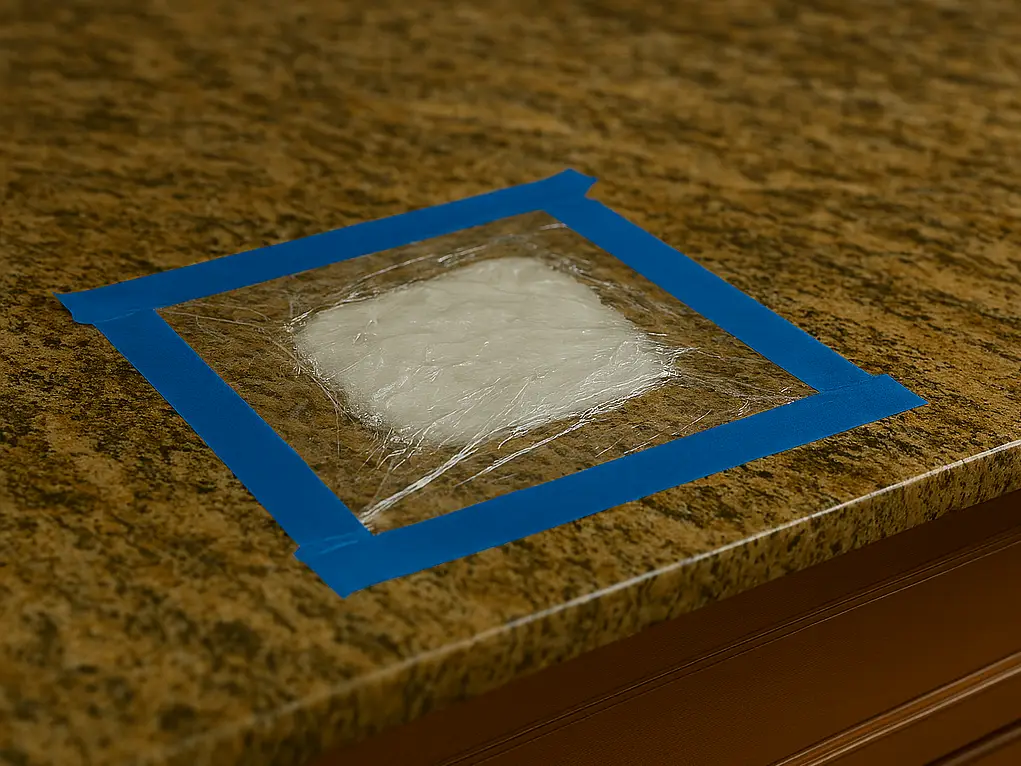
Start with ID. Oil-based stains darken the stone. Think cooking oil or moisturizers. Use a baking soda + water poultice to draw the oil. Spread a yogurt-thick paste over the spot. Cover with plastic. Tape edges. Wait 24–48 hours. Lift, rinse, and repeat if needed. Organic/pigment stains come from coffee, tea, wine, or sauces. Use a baking soda + hydrogen peroxide paste on light stone. For very dark stone, test first to avoid lightening. Metal-related stains (rust) need a specialty rust remover made for stone; test per label. For biological stains in damp baths, clean the area, then allow full drying and better airflow; adjust caulk if water is wicking. Never mix bleach and ammonia. If a mark does not budge, it may be a shadow from absorbed oil in depth or a surface etch on a different stone species nearby. When in doubt, pause and test a small area with your chosen method. Patience matters more than force here.
Stain map (at home)
| Stain | You see | First choice poultice |
| Oil/grease | Dark halo | Baking soda + water |
| Coffee/tea/wine | Brown/red ring | Baking soda + hydrogen peroxide (light stones) |
| Marker/ink | Lines/dots | Alcohol-based cleaner; test first |
| Rust | Orange/brown edge | Stone-safe rust remover |
Sealing Strategy: When, What, and How
Many slabs do not need sealing every year. Some need it less often, some not at all. Test first. Seal only when the stone absorbs water within minutes.
Do a simple water-drop test. If the dark spot forms quickly and stays, apply a penetrating sealer. If water beads and the color does not change, wait. Sealing is not a finish; it is a barrier you renew only as needed.
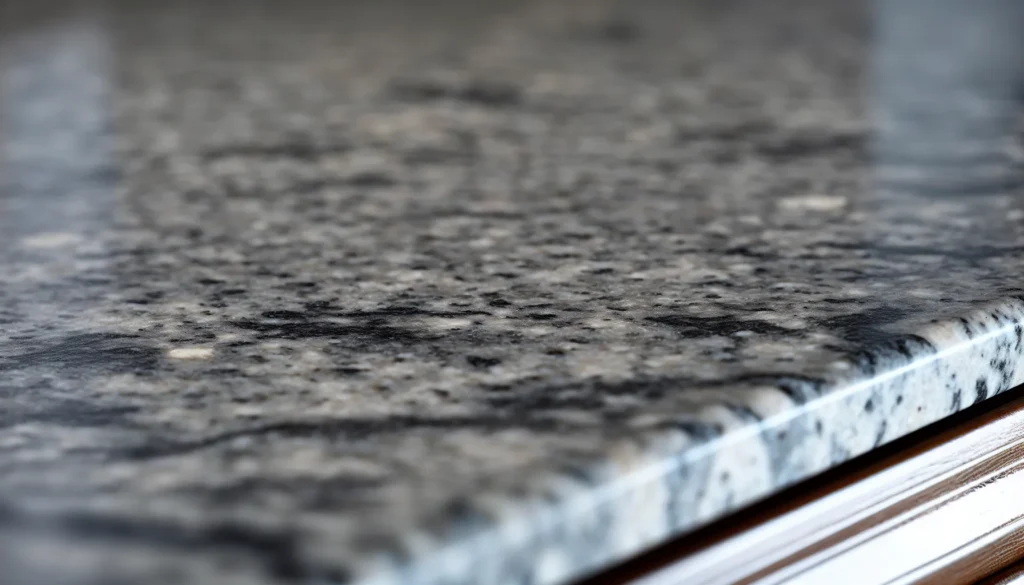
Clean and dry the top. Place several teaspoon-sized water drops on different zones: near the sink, cooktop, and a corner. Time the darkening. If it darkens in under 5–10 minutes, your slab likely benefits from a penetrating sealer. Pick a food-contact-safe, solvent- or water-based sealer designed for siliceous stones. Apply per label with a soft cloth or pad. Let it dwell so it penetrates, then wipe off excess before it dries on the surface. Do two light coats rather than one heavy one. After cure, repeat the water test. If beading and no dark mark appear, you are done. Some very dense granites do not absorb sealers. For those, sealing adds little value and can leave a residue if you apply too much. If your slab has a leathered or honed finish, absorption may be higher; test those areas separately. Keep a small note under the sink with the test date and zones so the next check is easy. Remember: sealing slows stains; it does not replace fast wipe-ups.
Sealer planner
| Step | What to do | Tip |
| Test | Water drops in several zones | Time darkening; compare areas |
| Prep | Deep clean and dry | Wait overnight if needed |
| Apply | Thin, even coat(s) | Wipe off all excess |
| Check | Re-test next day | Record date and zones |
Heat, Impact, and Edge Protection
Hot pans, heavy pots, and dropped tools can damage even hard stone. Protect weak spots and you will avoid chips and hairline cracks.
Use trivets near cooktops and kettles, and cutting boards for knives. Keep edges clear of knocks and use gentle pressure near sink cutouts.
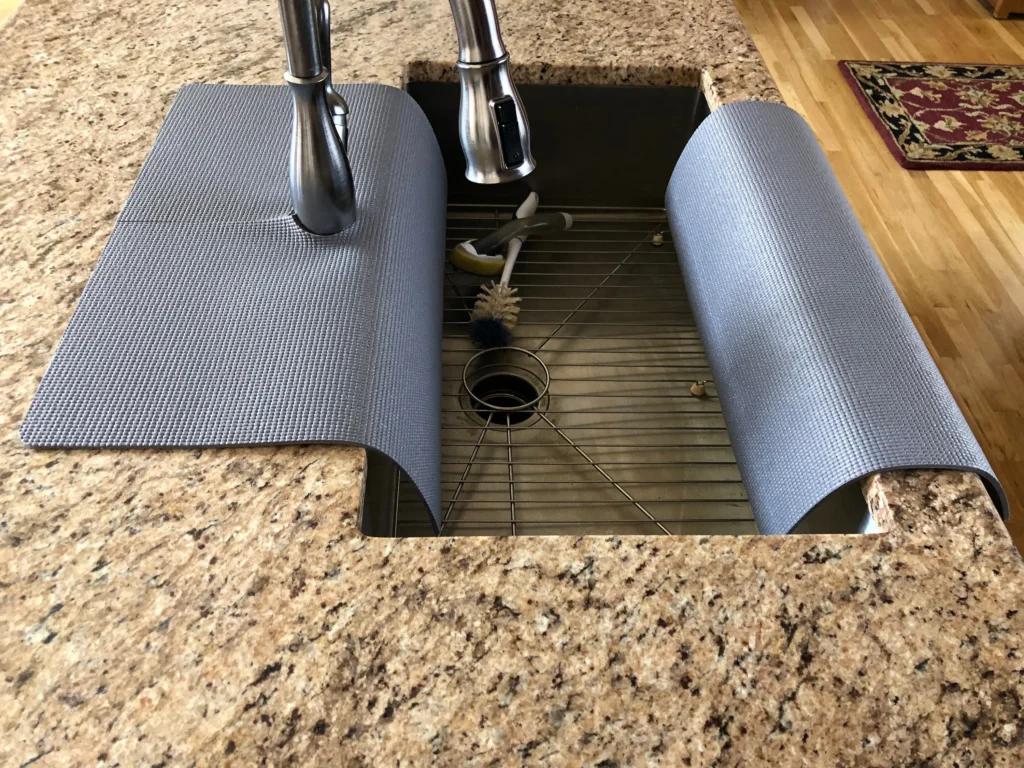
Granite stands up to heat better than many materials, but shock is real. A dry, super-hot pan pulled from a 260°C oven and set on a cold, wet spot can stress the surface. Use trivets to spread heat and avoid sudden temperature swings. Most chips happen at edges and around sinks. These are thinner sections with more leverage. Keep cast-iron and heavy cookware off those edges when you set them down. Knife cuts dull blades and can score soft fillers at seams; boards keep both in shape. Choose a board large enough that crumbs and juices stay off the stone. If you host often, add a secondary “landing zone” board near ovens to catch hot dishes. For appliances with rubber feet, check for black marks and clean the feet to stop transfer. Avoid dragging mixers or air fryers; lift instead. If a small chip appears, collect the piece and tape it in place until a pro can reset it. If you cannot find the fragment, a color-matched epoxy repair can blend well on busy patterns.
Edge choices
| Edge | Look | Durability note |
| Eased | Simple, modern | Fewer chip points |
| Half bullnose | Softer curve | Hides chipping better |
| Ogee | Classic profile | Protects if radius is generous |
Kitchen vs Bath: Different Habits, Same Stone
Kitchens face grease, dyes, and heat. Baths face water, cosmetics, and cleaners. Adjust small habits by room and you will prevent most marks.
Keep food oils off the surface, rinse dyes fast, and dry water from vanities. Store colorants on trays. Use gentle products in both rooms.

In kitchens, stop oil creep with a tray for bottles. Wipe cooking splatter before it sets. Keep a board out on the counter; if it is handy, you will actually use it. For colorful foods like beet juice or turmeric, rinse fast and do not let liquids sit in seams. Set a “wipe and dry” habit after each cooking round. In baths, water sits longer, so mineral haze and rings appear faster. A 10-second squeegee pass leaves the top almost dry. Perfume and nail products have solvents and dyes; keep them on a small ceramic dish or tray. Hair dye needs special care: seal the vanity if your water test shows absorption, and cover the area during color sessions. For both rooms, avoid strong acids. They can attack fills or weaken sealers. If a guest uses a harsh cleaner, rinse and dry right away. If you share spaces with kids or tenants, tape a short card inside a cabinet that lists “Do / Don’t” in one line each. Good reminders beat long lectures.
Quick room habits
| Room | Do | Don’t |
| Kitchen | Tray for oils, board on counter, fast wipe-ups | Hot pans on bare stone |
| Bath | Squeegee after use, tray for cosmetics | Let water sit under bottles |
| Both | Neutral cleaners, dry to finish | Acid mixes, abrasive powders |
Troubleshooting: Scratches, Dull Spots, and Water Rings
Not every mark is the same. Some live in the surface. Some sit just below. Read the clues, then pick the lowest-risk fix first.
Try cleaning and drying first. If the mark remains, test a poultice. If shine is uneven only under certain light, it may be residue, not damage. Avoid heavy abrasives.
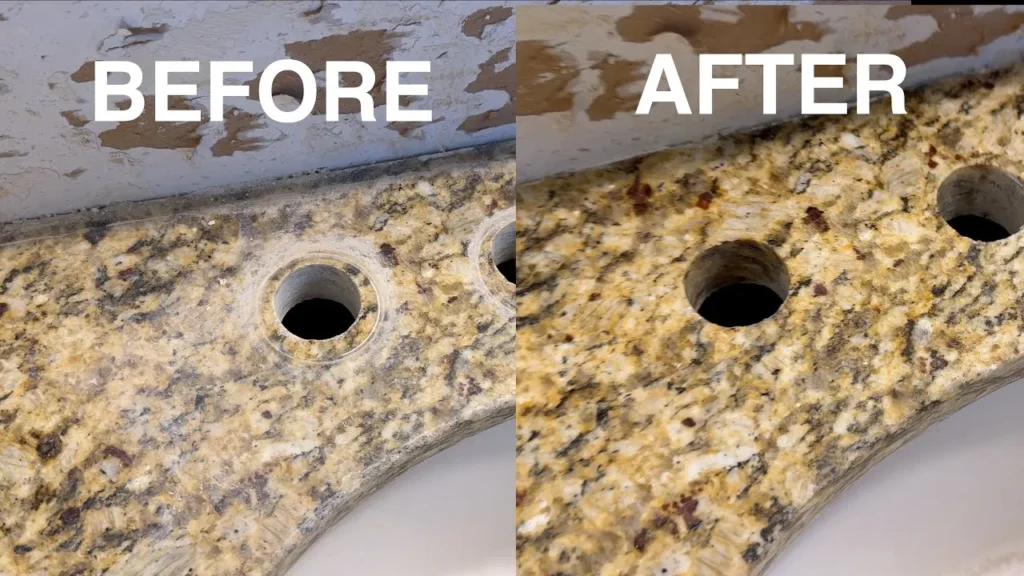
Water rings are often just mineral residue on top, not deep stains. If drying alone does not help, use a little water and a drop of dish soap with a microfiber, then dry. For stubborn haze, use a stone-safe limescale remover per label, then rinse and dry. If the spot darkens after a spill and then fades slowly, you caught an absorption stain. Use the matching poultice and give it time. Dull areas can come from abrasive pads or powders. Stop and switch to a soft cloth. If dullness remains and you can feel no scratch with a fingernail, the issue may be uneven residue from a past sealer—often called “sealer haze.” Remove per the manufacturer’s remover and reapply correctly if needed. Fine scratches usually sit in resin at seams or fills, not the crystal itself. If you can feel a groove, call a stone pro. They can hone and re-polish with the right pads and slurry while managing dust and splash. Avoid DIY power sanding; the risk to shine and flatness is high.
Fix ladder (lowest risk first)
- Clean → Rinse → Dry
- Match stain → Poultice → Wait
- Remove sealer haze per label
- Call a pro for honing/polish
Conclusion
Keep it neutral, wipe fast, and dry to finish. Test your slab before sealing and use the right poultice for each stain. Small habits protect shine and color for years.
Share Your Plan, Get Ideas
Send a quick sketch and a few photos. We can mark test spots, choose a sealer plan, and build a short cleaning schedule that fits your kitchen and bath.