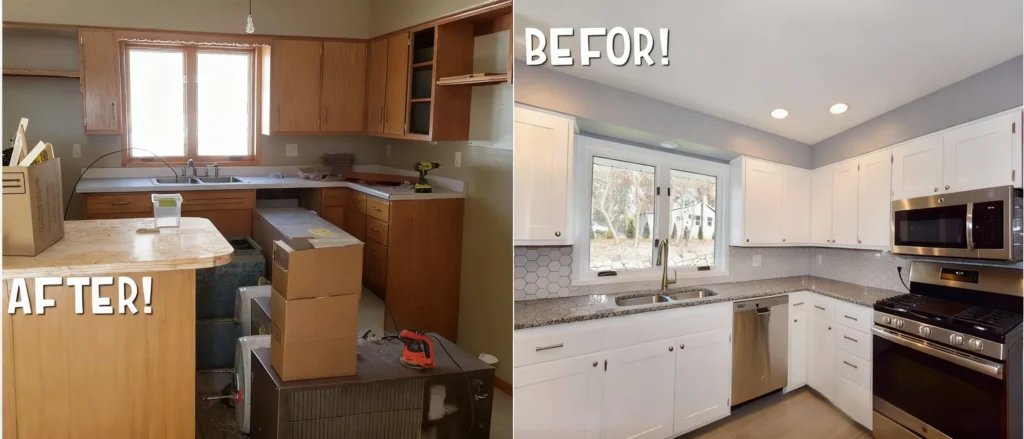
Old cabinets can make even a clean kitchen look dated and dull. But what if you could give your kitchen a brand-new look without tearing everything apart? Replacing cabinet doors might be the simplest and most budget-friendly makeover you’ll ever try.
Our team provides one-stop building material solutions from Foshan, China, serving overseas homeowners, contractors, and designers. We handle complete house materials — from kitchens and wardrobes to bathrooms, doors, tiles, and floors — with integrated 3D design, style matching, and export logistics to help every project run smoothly from design to delivery.
Changing cabinet doors can transform your space without replacing the boxes. It’s faster, cleaner, and cheaper — yet gives your kitchen a stunning new life.
If you’ve ever wished for a modern kitchen without the mess or cost of renovation, this guide will show you how replacing cabinet doors can achieve that effortlessly.
What are the benefits of replacing only cabinet doors?
Replacing just the cabinet doors gives your kitchen a full refresh without the disruption of a full remodel. It saves money, time, and materials while keeping the layout you already love.

Replacing only the doors is an efficient way to modernize a kitchen. The main benefits include cost savings, reduced waste, and less downtime. Since cabinet boxes often remain structurally strong, replacing doors lets you upgrade the look with new styles and finishes while reusing the existing framework.
Key Advantages
| Benefit | Description |
| Cost efficiency | Save up to 70% compared to total cabinet replacement. |
| Quick installation | Most projects finish within 1–3 days. |
| Eco-friendly | Keeps good cabinet boxes out of landfills. |
| Design flexibility | Choose from various colors, materials, and hardware styles. |
Unlike refacing, where veneer is applied to the cabinet surface, door replacement focuses on visible elements. According to Wikipedia’s entry on Cabinetry, door styles and joinery methods define much of a cabinet’s visual appeal and usability — so swapping doors changes almost everything you see.
How much does it cost to replace kitchen cabinet doors?
The cost depends on material choice, size, and labor. Homeowners usually spend between $900 and $4,500, while premium solid wood doors can go higher.
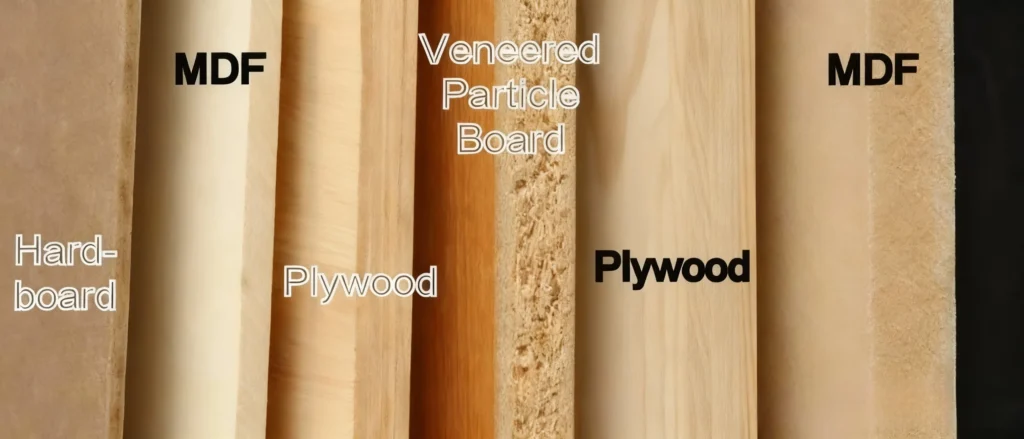
Replacing cabinet doors is one of the most cost-effective kitchen upgrades. Basic laminate or MDF doors are affordable, while solid wood and custom options raise costs but improve durability. Labor charges vary by region, but DIY can significantly cut expenses.
Typical Cost Breakdown
| Door Material | Cost per Door (USD) | Durability | Maintenance |
| MDF / Laminate | $50–$150 | Moderate | Easy to clean |
| Solid Wood | $120–$400 | High | Requires occasional care |
| Thermofoil | $70–$200 | Moderate | Heat-sensitive |
| Glass Front | $100–$300 | Medium | Easy to wipe |
A professional installation often ensures perfect alignment and hinge fit, but DIY replacement is possible with patience and basic tools. The process is short compared to a full renovation, which may take weeks.
Can I replace cabinet doors without replacing the boxes?
Yes, as long as your cabinet boxes are sturdy, square, and smooth. The key is evaluating the structure before replacing the doors.
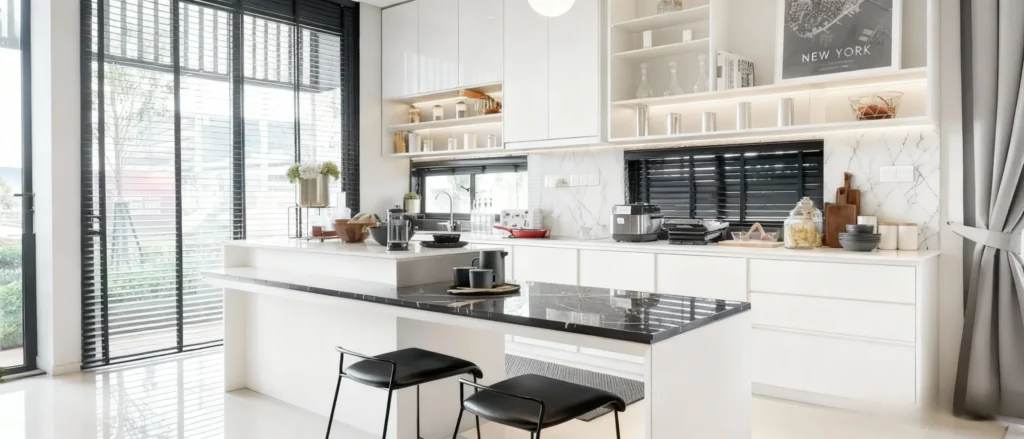
Cabinet boxes are usually made from plywood or medium-density fiberboard (MDF). If they remain in good condition, there’s no need for replacement. You can clean, sand, and repaint the boxes to match your new doors. According to Wikipedia’s article on Plywood, this engineered wood offers high strength-to-weight ratio, making it ideal for long-lasting cabinet structures.
When boxes are warped or water-damaged, full replacement may be necessary. However, in most homes, the cabinet frame survives years of use, making new doors a quick and smart update.
What materials are best for new cabinet doors?
The best material depends on your budget, climate, and desired look. Common options include solid wood, MDF, laminate, and thermofoil.
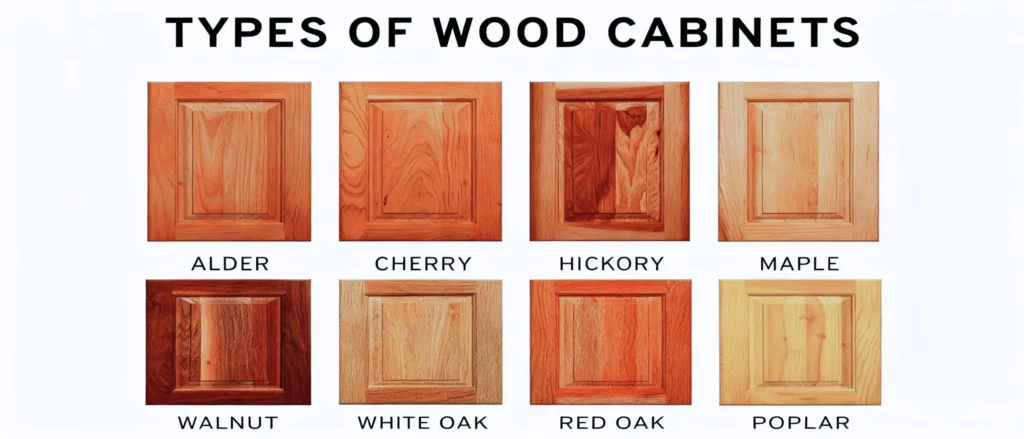
Each material offers unique advantages:
- Solid Wood: Classic and strong, ideal for natural finishes or staining.
- MDF (Medium-Density Fiberboard): Smooth, stable, perfect for painted surfaces.
- Laminate: Low-maintenance, resistant to stains, and available in many colors.
- Thermofoil: Affordable vinyl wrap that mimics wood grain, though sensitive to heat.
When selecting materials, also consider humidity and usage. Kitchens exposed to steam or heat may require more durable coatings or solid wood doors to prevent peeling or swelling.
By the way, you can refer to the description of materials in the custom cabinet section of our website.
Can I install new cabinet doors myself?
Yes, with basic DIY tools, accurate measurements, and patience. Most homeowners can replace doors in a weekend.
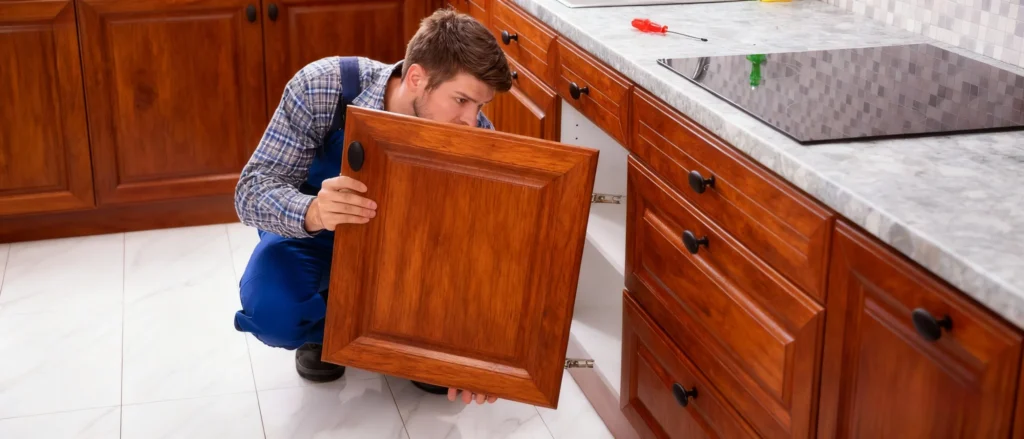
DIY installation involves measuring openings, marking hinge positions, and aligning doors correctly. Beginners can use concealed hinges with adjustable screws for easier fit correction.
Basic Tools Checklist
| Tool | Purpose |
| Screwdriver or drill | To remove and install hinges |
| Tape measure | For accurate sizing |
| Level | To ensure door alignment |
| Hinge jig | For drilling precise hinge holes |
If doors don’t align, use hinge adjustment screws to fine-tune the position. DIY installation saves labor costs and provides satisfaction, but professional help is recommended for large kitchens or custom doors.
What styles of cabinet doors are most popular now?
Current trends favor Shaker, flat-panel, and glass-front designs for their simplicity and versatility.
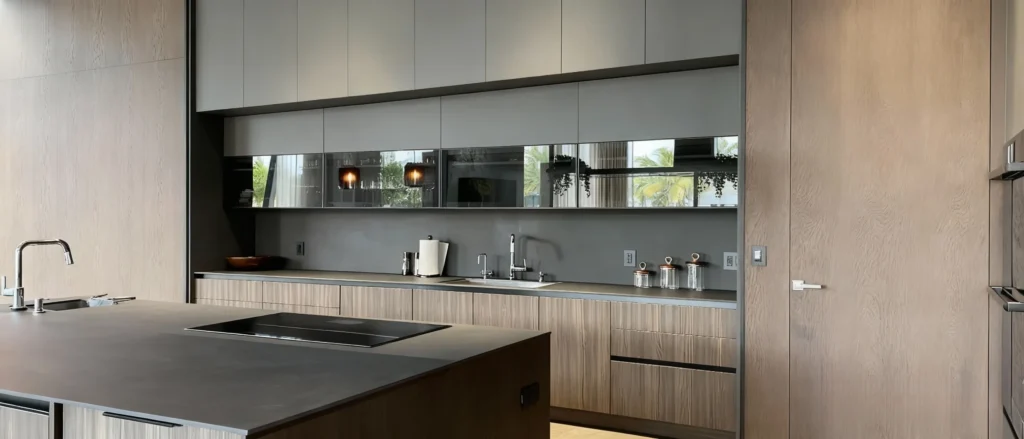
Shaker doors remain timeless due to their clean lines. Flat panels suit minimalist or modern kitchens, while glass inserts bring openness and display options. Raised panels are popular in classic or traditional homes.
Style Comparison
| Style | Look | Best For |
| Shaker | Simple frame with inset panel | Modern & farmhouse kitchens |
| Flat Panel | Sleek and frameless | Contemporary interiors |
| Raised Panel | Elegant depth and trim | Traditional decor |
| Glass Front | Decorative transparency | Displaying dishes |
Choose hardware that complements your cabinet style for a cohesive look — matte black for modern kitchens, brushed brass for classic designs.
How long does cabinet door replacement take?
Most door replacements finish in one to three days, depending on kitchen size and customization.
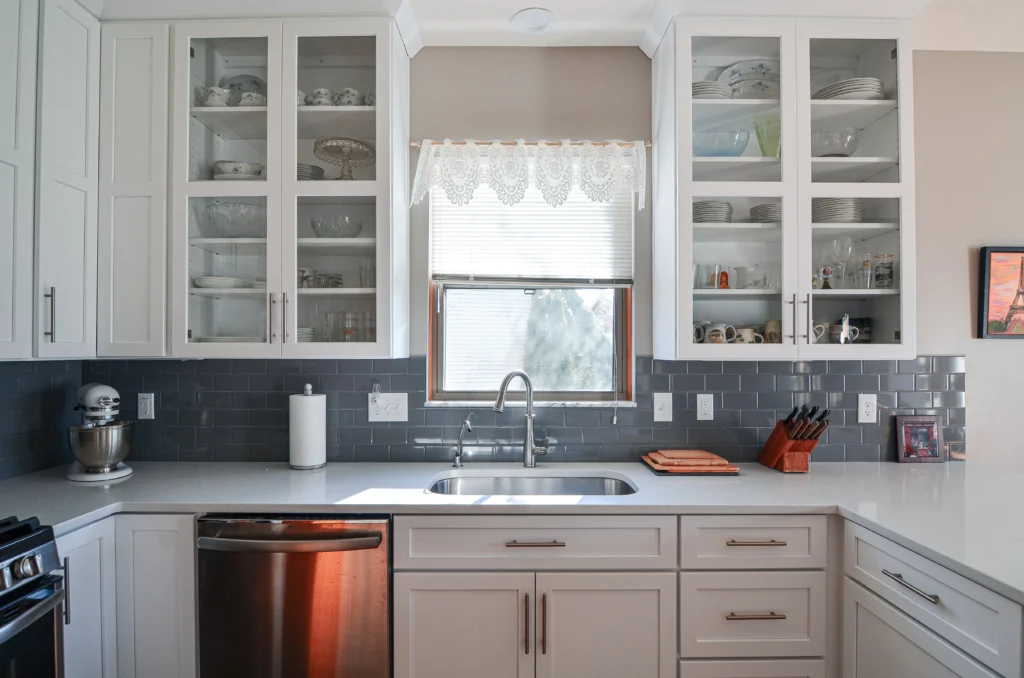
The process involves removing old doors, cleaning frames, painting or refinishing boxes (optional), and installing new doors with updated hinges and hardware. If you order custom doors, allow extra production time.
Replacing cabinet doors causes minimal disruption — you can still use most of your kitchen during installation.
Do new cabinet doors increase kitchen resale value?
Yes. Fresh cabinet doors instantly boost visual appeal, helping kitchens appear newer and more maintained — a major selling point for buyers.

Buyers tend to associate new doors with overall quality. A small investment can yield higher resale value compared to repainting alone. While full remodels bring the highest return, door replacement offers an excellent balance between cost and impact.
Conclusion
Replacing cabinet doors is the easiest way to transform a tired kitchen without the expense of full renovation. It’s cost-effective, quick, and visually dramatic — proof that small changes can make a big difference.
Final CTA
If you’re planning a kitchen or interior upgrade, share your floor plan with us for design advice or a fast quote. We’ll help you choose the right materials and finishes for your project.
Ready to start? Just send us your layout today.