Moisture, heat, and daily wear can test any kitchen cabinet. Many homeowners and contractors face one tough decision — should you choose plywood or MDF for your next project? Both materials are popular, but their performance, cost, and durability are far from identical.
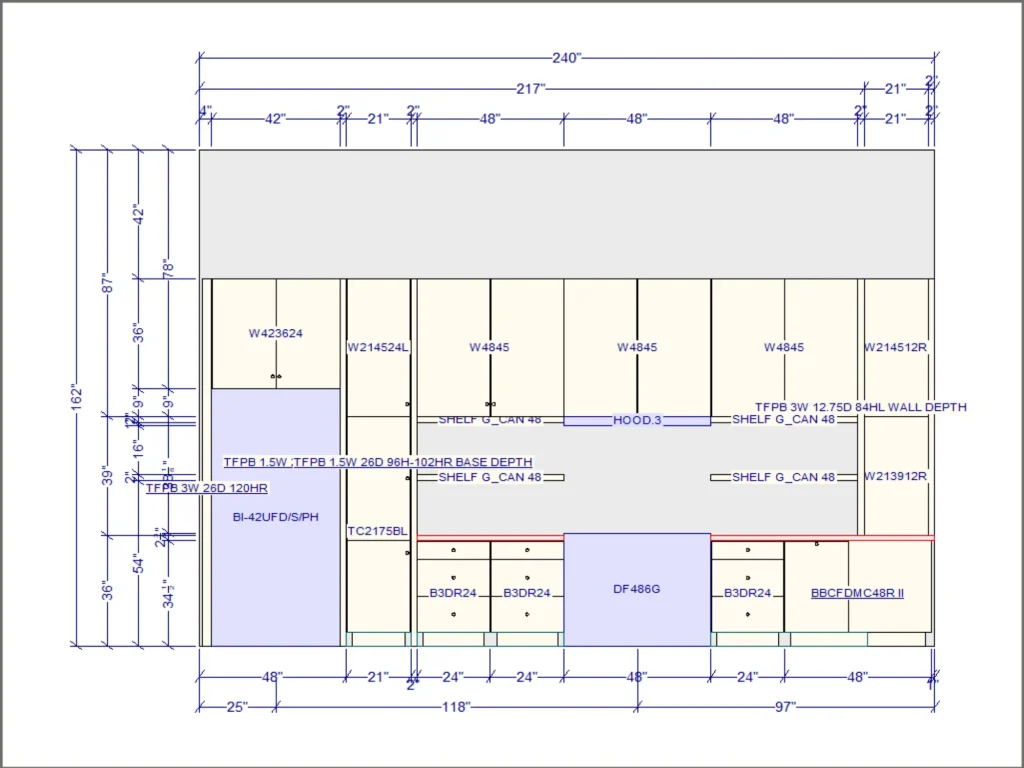
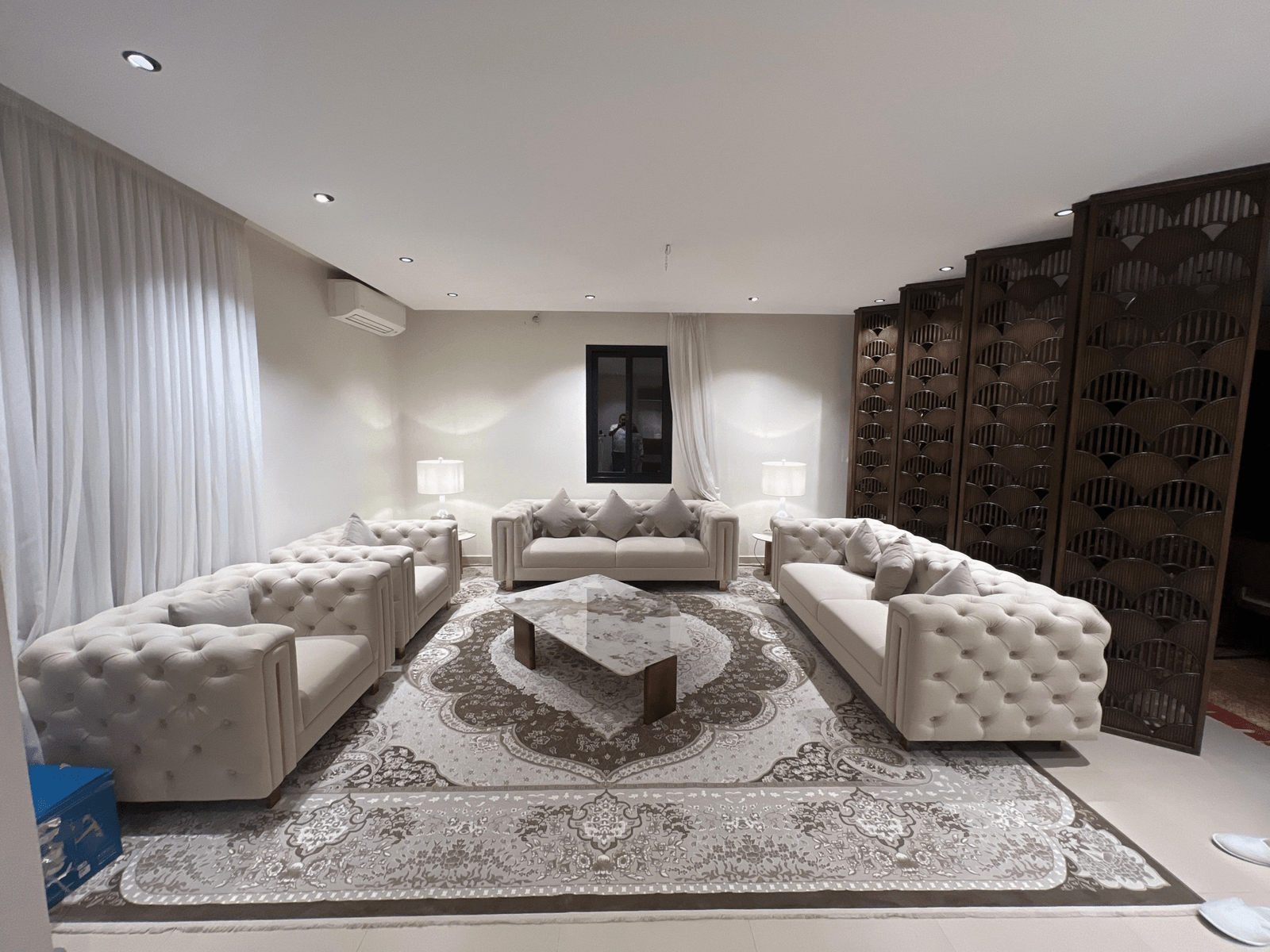
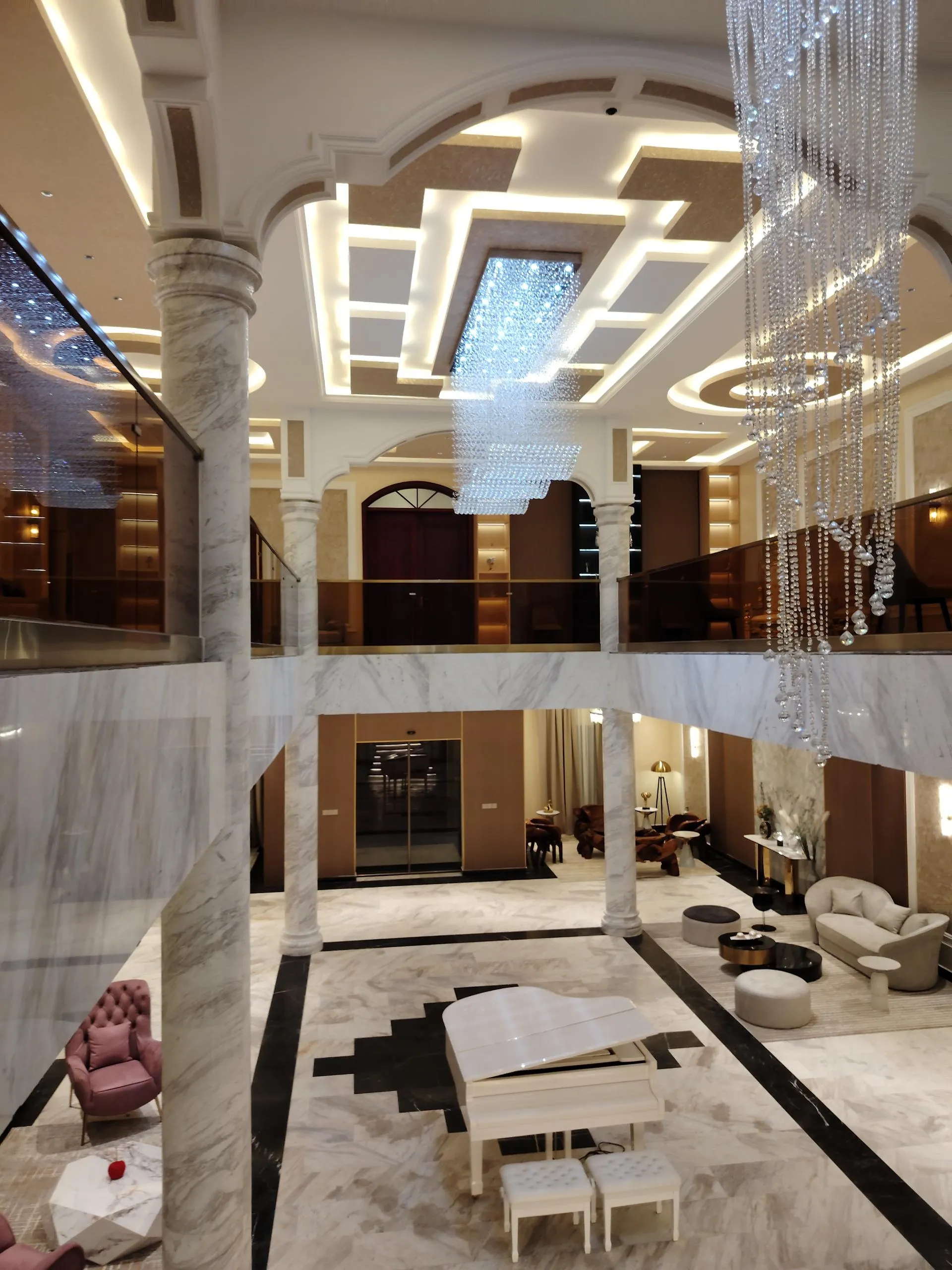
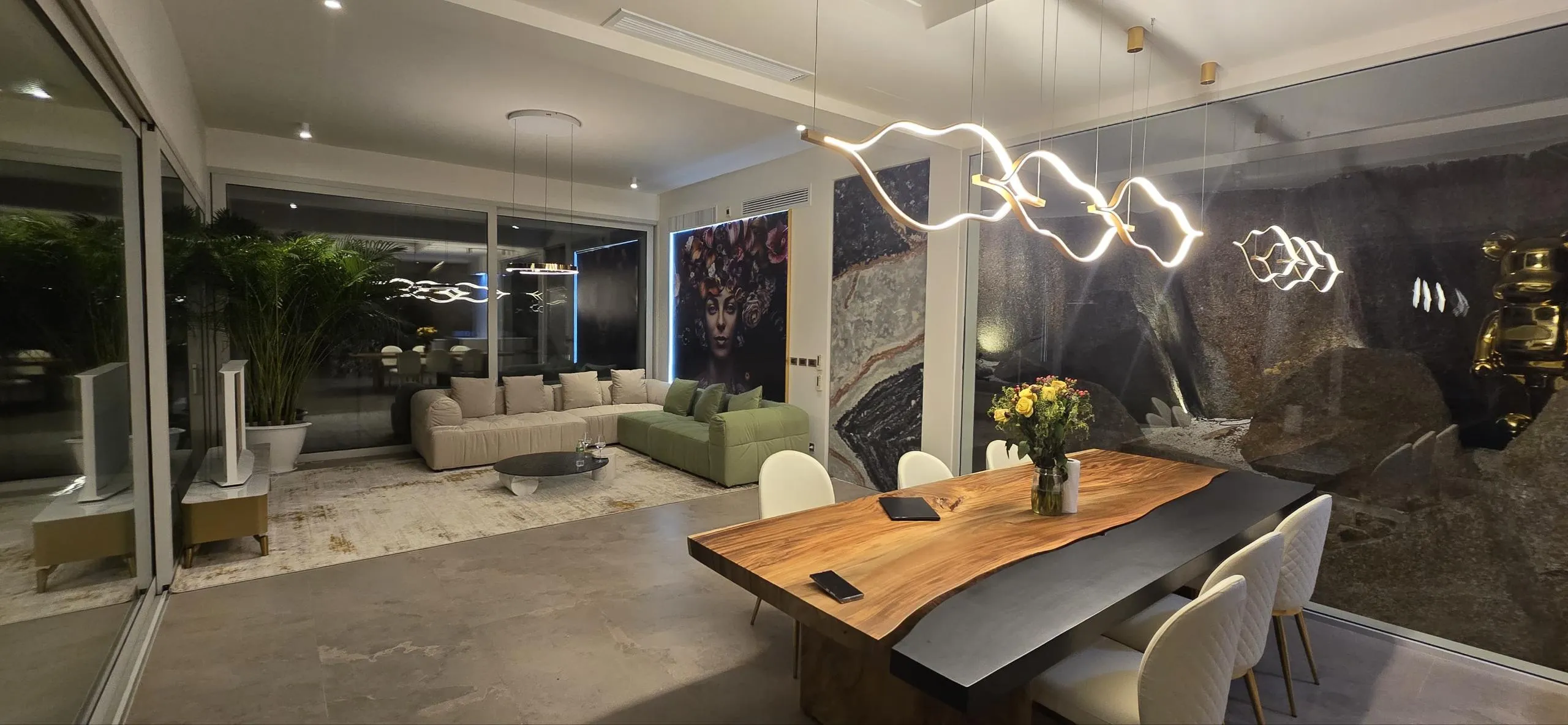
Based in Foshan, our one-stop building material supply team provides full-house cabinet and furnishing solutions for global clients — from kitchens and wardrobes to bathrooms, tiles, flooring, lighting, and wall panels. We work with developers, designers, and builders to deliver complete interior packages, including 3D layout design, coordinated finishes, global shipping, and after-sales support.
Between plywood and MDF, plywood usually lasts longer because it resists moisture, handles weight better, and stays stable across different climates. MDF, while smoother and cheaper, can absorb water and lose strength faster in humid spaces.
Let’s explore each difference step by step so you can choose what’s right for your next renovation or project.
What is the main difference between plywood and MDF cabinets?
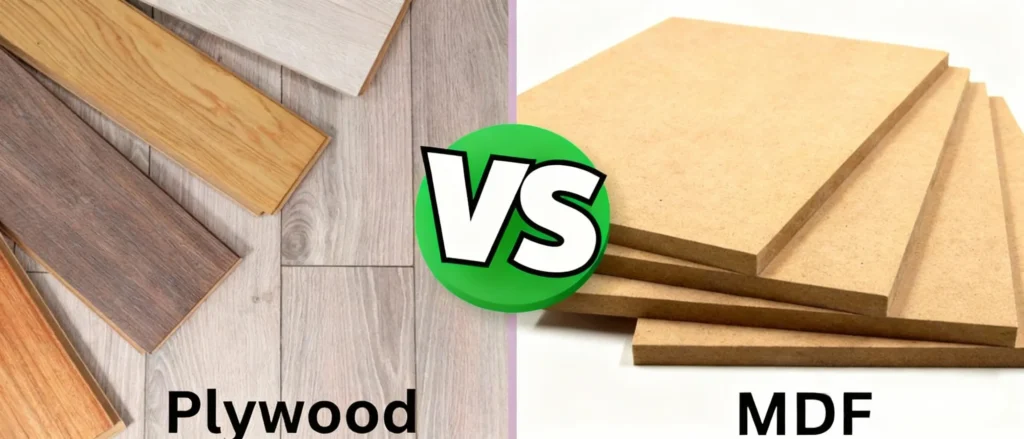
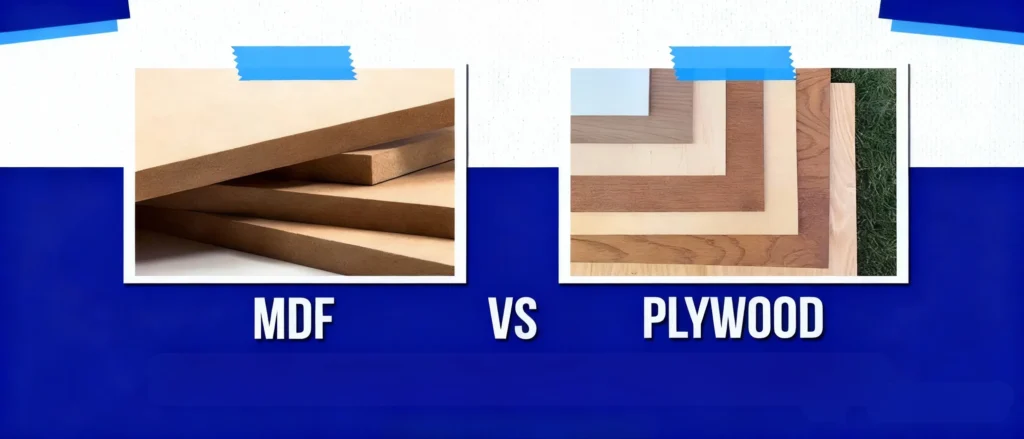
Plywood and MDF differ in how they’re made and how they behave. Plywood is made by stacking thin sheets of natural wood veneer in alternating directions and bonding them with strong adhesives. MDF, or medium-density fiberboard, is produced by pressing wood fibers mixed with resin into dense, flat boards under heat and pressure.
Plywood has visible grain and layered texture, while MDF is smooth, uniform, and heavier. Each serves a purpose depending on where and how you use it.

According to Wikipedia’s entry on engineered wood, both materials belong to the engineered wood family, designed to maximize resource efficiency while reducing natural wood’s flaws such as warping or knots.
Material Comparison
| Property | Plywood | MDF |
| Composition | Cross-laminated wood veneers | Compressed wood fibers and resin |
| Texture | Natural grain | Smooth surface |
| Weight | Light to moderate | Heavy |
| Strength | High tensile strength | Medium strength |
| Moisture Resistance | Good | Low |
| Finish Type | Stained, veneered | Painted, laminated |
Because plywood maintains real wood fibers, it performs more like solid timber — tough and moisture-tolerant. MDF, on the other hand, provides a perfect surface for painted finishes but sacrifices some durability for smoothness and cost.
Is plywood really stronger than MDF for kitchen cabinets?
Yes. Plywood is significantly stronger and more stable than MDF.
The secret lies in its cross-grain construction — each layer of veneer runs perpendicular to the one below. This creates a balanced sheet that resists bending and cracking. MDF lacks this internal structure, so it can split if screws are driven too close to the edge. You can try watching the following expert video links.
MDF feels dense and heavy but doesn’t handle long-term stress well. For example, when you hang upper cabinets or mount heavy countertops, plywood frames can support the load without sagging.
Strength Test Overview
| Feature | Plywood | MDF |
| Load Capacity | High | Medium |
| Screw Holding | Excellent | Weak |
| Impact Resistance | Strong | Fragile |
| Warping Resistance | Good | Poor |
| Flexibility | Balanced | Rigid |
For large kitchens or export projects, plywood ensures that cabinet boxes stay square and aligned even after transport and installation. That’s why contractors and designers often use plywood for structural parts while reserving MDF for doors or painted panels.
Which cabinet material lasts longer in humid environments?
Humidity is the enemy of all wood-based materials, but plywood handles it better than MDF.
Plywood’s layers and waterproof adhesives make it resistant to short-term moisture exposure. Even when it absorbs small amounts of water, it dries and returns to shape. MDF, however, swells permanently once wet — its resin breaks down, causing soft spots and peeling finishes. You can try watching the following expert video links.
For coastal regions, tropical climates, or kitchen sink areas, plywood is the safer choice. Moisture-resistant MDF (MR-MDF) exists but still underperforms against plywood in long-term humidity tests.
Some high-grade plywoods use phenolic resin or marine adhesives, similar to materials used in marine-grade plywood, providing extra protection against water.
If you’re building cabinets for export or multi-climate projects, plywood is the proven solution that ensures structural integrity even during ocean shipping and installation in humid areas.
Are MDF cabinets more affordable than plywood ones?
Yes, MDF is cheaper — often by 25–40%.
Because MDF uses recycled fibers and less expensive resins, production costs are lower. It’s ideal for projects with tight budgets or large volume requirements. However, its low price can come with long-term costs: higher maintenance, limited repair options, and shorter lifespan.

Cost Breakdown
| Category | Plywood | MDF |
| Material Cost | Higher | Lower |
| Production Speed | Moderate | Fast |
| Shipping Cost | Lower (lighter) | Higher (heavier) |
| Durability | Long-term | Short-term |
| Maintenance | Minimal | Frequent |
Contractors often mix both to balance budget and quality — using MDF for non-structural parts like decorative panels and plywood for frames and load-bearing sections.
For overseas buyers, shipping weight also matters. MDF’s density increases freight costs, while plywood’s lighter structure cuts transportation expenses.
Which type of cabinet is easier to paint or finish?
MDF wins in smoothness and paintability.
Because MDF lacks wood grain, it creates an even surface for paint, laminate, or thermofoil finishes. Painters love it because it doesn’t absorb paint unevenly or show sanding marks. Plywood, however, showcases natural wood grain, which looks great under stains or veneers but may require extra prep for painted finishes.
Finish Comparison
| Finish Type | Best Material | Notes |
| Paint | MDF | Smooth and uniform |
| Veneer | Plywood | Natural look |
| Lacquer | MDF | High gloss |
| Stain | Plywood | Warm, organic tone |
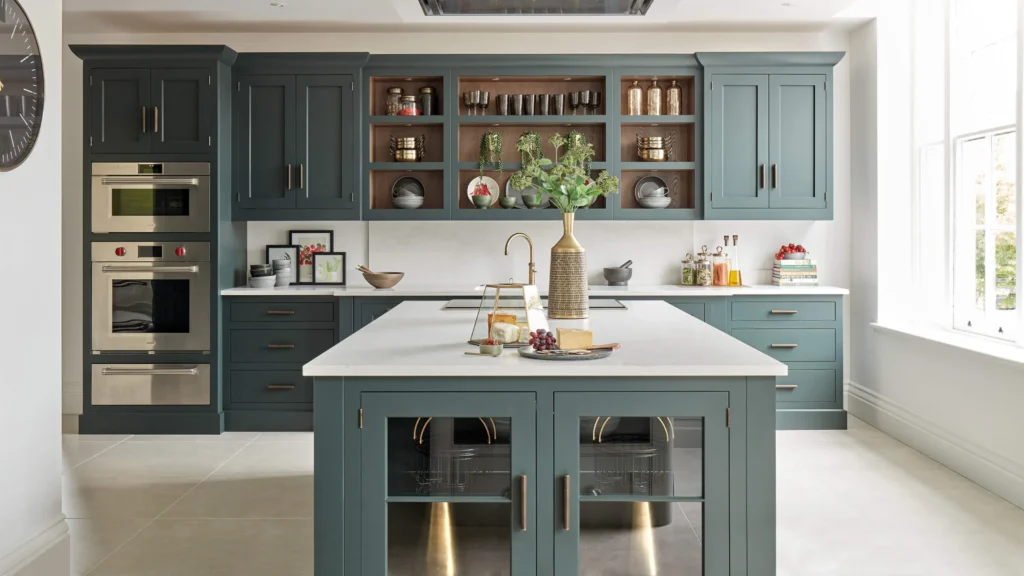
If you prefer solid colors and minimalism, MDF is unbeatable. If you want warmth, character, and visible texture, plywood’s wood grain delivers timeless charm. Many designers combine both for contrast — MDF on upper glossy cabinets, plywood on lower natural bases.
Does plywood resist warping better than MDF?
Yes, and that’s one of plywood’s biggest advantages.
Wood naturally expands and contracts with temperature and moisture, but plywood’s alternating layers cancel out these movements. This stability makes it ideal for kitchen environments where heat and humidity change daily.
MDF can warp or swell when used near dishwashers, sinks, or ovens. Once damaged, it cannot recover its shape. Plywood, when properly sealed or laminated, maintains its structure and alignment even under heavy use.
For this reason, plywood is the go-to material for base cabinets and high-humidity zones, while MDF should stay in dry or decorative areas.
Which material is better for modern cabinet design?
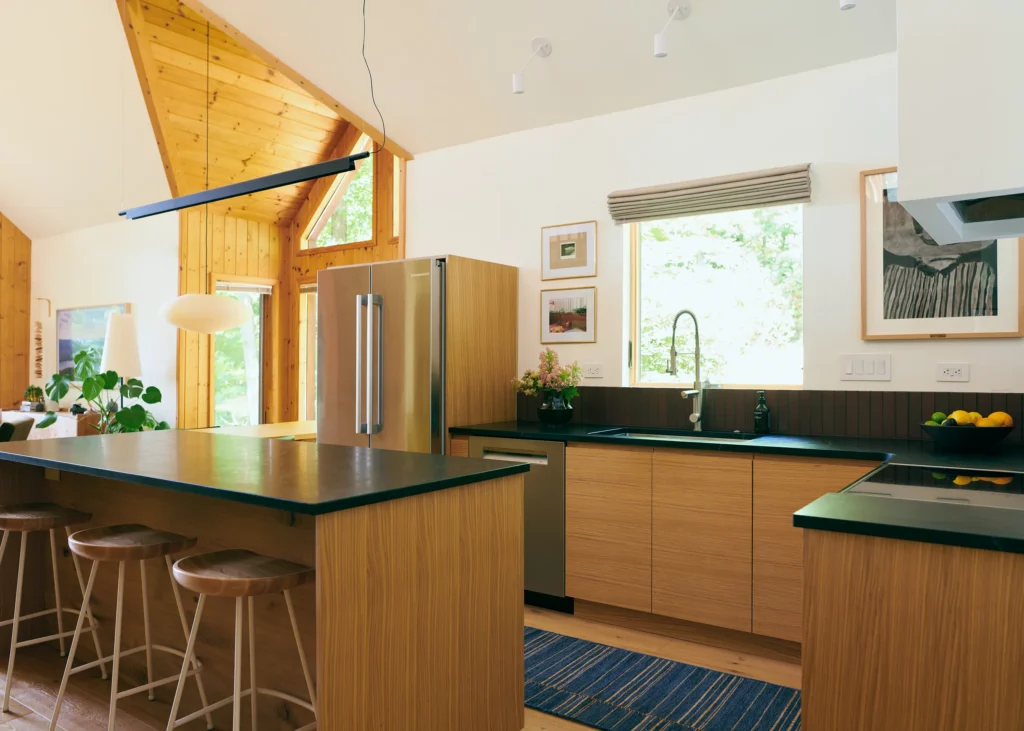
It depends on the design intent. MDF offers sleekness; plywood brings warmth.
MDF’s smooth, consistent surface makes it ideal for modern or minimalist kitchens. It handles sharp edges, flat panels, and glossy finishes with ease. Plywood, with its organic grain, works better for natural, rustic, or Scandinavian interiors.
Style Applications
| Design Style | Recommended Material | Reason |
| Minimalist | MDF | Seamless surfaces |
| Classic / Rustic | Plywood | Natural wood grain |
| Contemporary Mix | MDF + Plywood | Balance of texture and color |
| Industrial | Plywood | Raw, strong look |
For export and commercial projects, combining both is efficient: MDF for the visible panels (modern appeal) and plywood for structure (durability). This strategy keeps aesthetics high while maintaining long-term reliability.
How do plywood and MDF compare in weight and stability?
Plywood is lighter but stronger. MDF is heavier but more fragile when stressed.
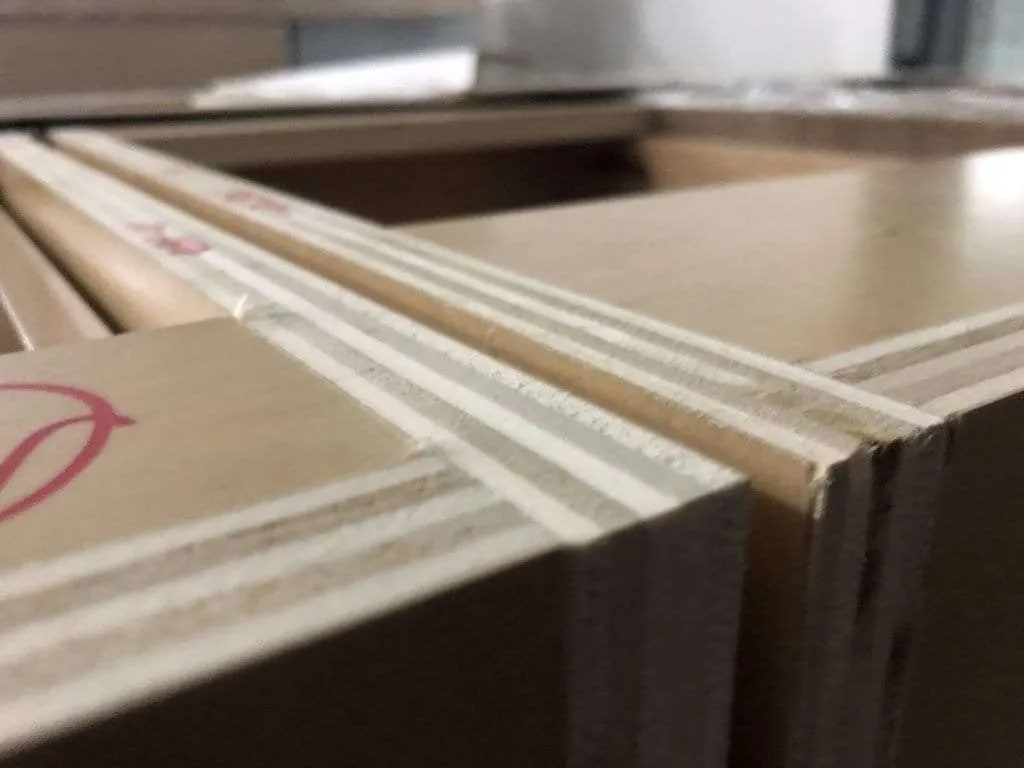
MDF’s density makes it hard to lift and handle during installation. For upper cabinets or wall-mounted units, plywood’s lighter weight reduces strain on anchors and eases installation.
Weight and Stability
| Property | Plywood | MDF |
| Density | Medium | High |
| Weight | Lighter | Heavier |
| Structural Stability | Excellent | Average |
| Handling | Easy | Difficult |
| Best For | Export, tall units | Painted surfaces |
For global shipping and export, plywood is more efficient. It offers better weight-to-strength ratio, lower freight cost, and less risk of corner damage during handling.
Which cabinet material offers the best value for money?
Plywood provides better long-term value.
It may cost more upfront, but it saves money over time by lasting longer and needing fewer replacements. MDF is perfect for short-term or decorative applications, but plywood performs best where durability matters — especially in commercial or overseas installations.

When choosing between them, think long-term: plywood equals investment; MDF equals style. Many contractors use both strategically to achieve balance between performance and budget.
Conclusion
Both plywood and MDF have clear strengths. Plywood lasts longer, resists moisture, and offers superior structure. MDF is smoother, easier to paint, and more budget-friendly.
For humid or heavy-use kitchens, plywood wins. For modern, painted designs on a budget, MDF works well.
Final CTA
Planning a new kitchen or full-house project? Send us your floor plan — our design team will help you choose the best material mix and provide a quick factory quote.
Ready to start? Just send us your layout today.