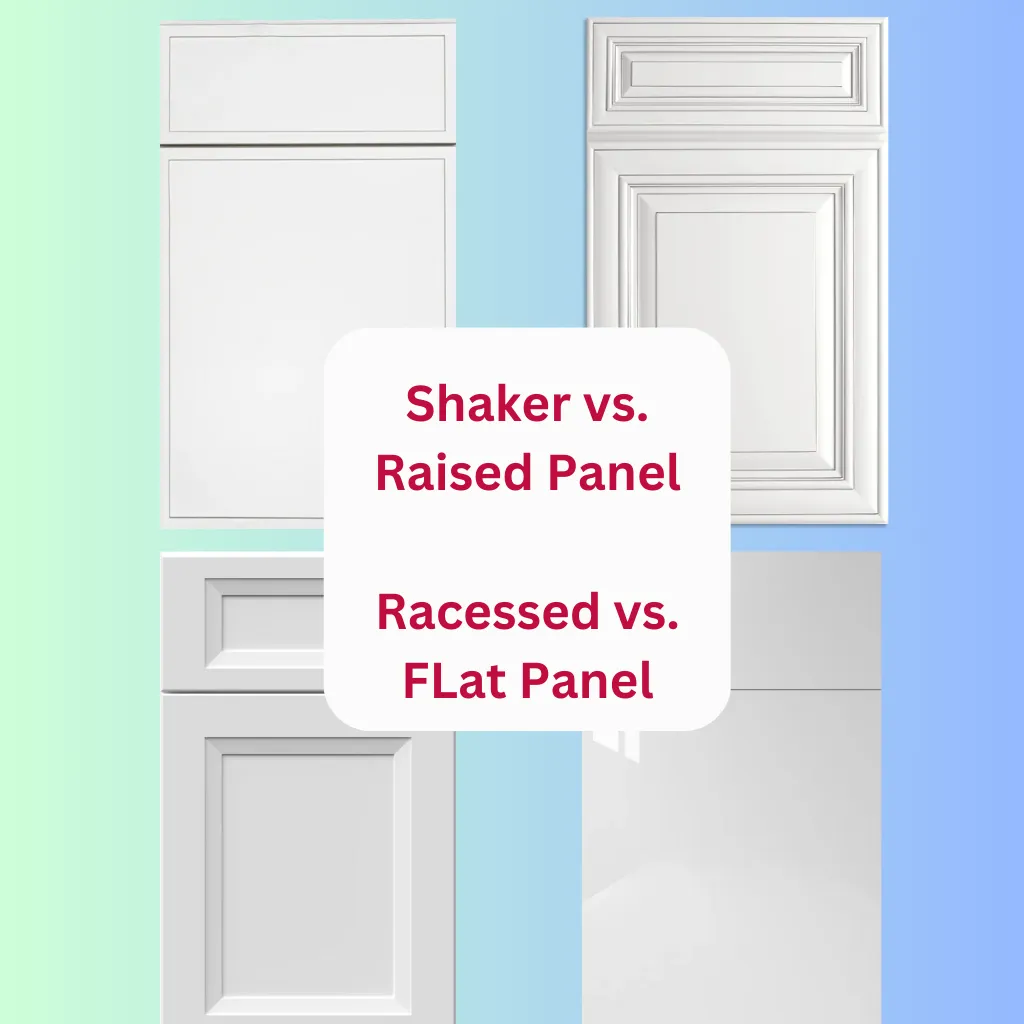
Cabinet styles shape the entire feeling of a home. Many homeowners struggle to decide between Shaker and Raised Panel cabinets — both timeless, both beautiful, yet very different in personality. Choosing the wrong one can throw off your design harmony or inflate your renovation costs.
Based in Foshan, we serve global homeowners, contractors, and designers through one-stop building material solutions. Our product line covers kitchens, wardrobes, bathrooms, tiles, flooring, wall panels, lighting, and more. From 3D design and full-house coordination to export logistics and after-sales support, we make it easy to complete your project from idea to shipment.
Shaker and Raised Panel cabinets differ in construction, design philosophy, and maintenance. Shaker is known for simplicity and clean lines, while Raised Panel emphasizes depth and detail. Understanding their true differences helps you choose the right fit for your style and budget.
Let’s break them down clearly — side by side.
What Is the Main Difference Between Shaker and Raised Panel Cabinets?
The key difference lies in the center panel structure. Shaker cabinets feature a flat, recessed center, while Raised Panel cabinets have an elevated middle framed by bevels or contours.

This structural variation changes everything — from manufacturing to final appearance. Shaker doors follow a five-piece construction built for function, rooted in simplicity. Raised Panels, on the other hand, highlight ornamental craftsmanship. Both are types of cabinetry, yet they speak different design languages.
Shaker embodies restraint. Raised Panel represents tradition. Your choice depends on whether you prefer understated elegance or decorative detail.
If you want to learn more about the Shaker concept itself, read our full guide — What Are Shaker Cabinet Doors? A Timeless Style Explained.
How Are Shaker and Raised Panel Doors Constructed?
Both styles use a frame-and-panel method, but their assembly and joinery details differ.
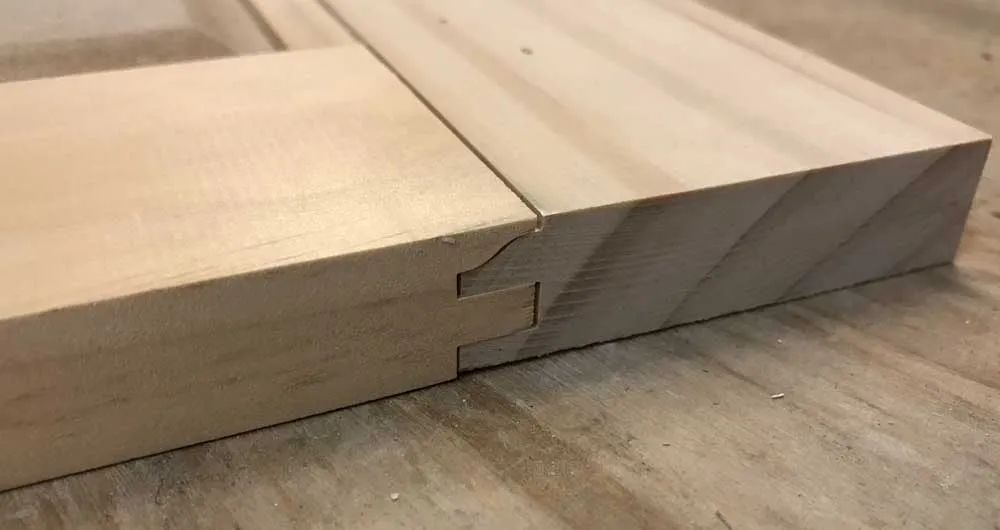
Shaker Door Construction
- Five-piece design: two stiles, two rails, and one recessed flat panel.
- Clean, square edges.
- Often uses hardwood or MDF for a smooth paint finish.
- Simplicity allows flexibility for modern or transitional kitchens.
Raised Panel Construction
- Center panel is beveled or raised, creating shadows and depth.
- Requires extra milling and precision in joinery.
- Typically found in traditional or formal interiors.
| Feature | Shaker | Raised Panel |
| Panel Type | Flat, recessed | Beveled, elevated |
| Look | Minimalist | Ornate |
| Ideal Style | Modern / Transitional | Classic / Traditional |
| Cleaning | Easier | Requires more detail cleaning |
This difference in joinery and milling technique gives Raised Panels a more layered texture, while Shaker’s flat geometry reflects the minimalist design principles of the 18th-century Shaker craftsmen.
Which Cabinet Style Is More Affordable?
Price varies by material, finish, and labor.
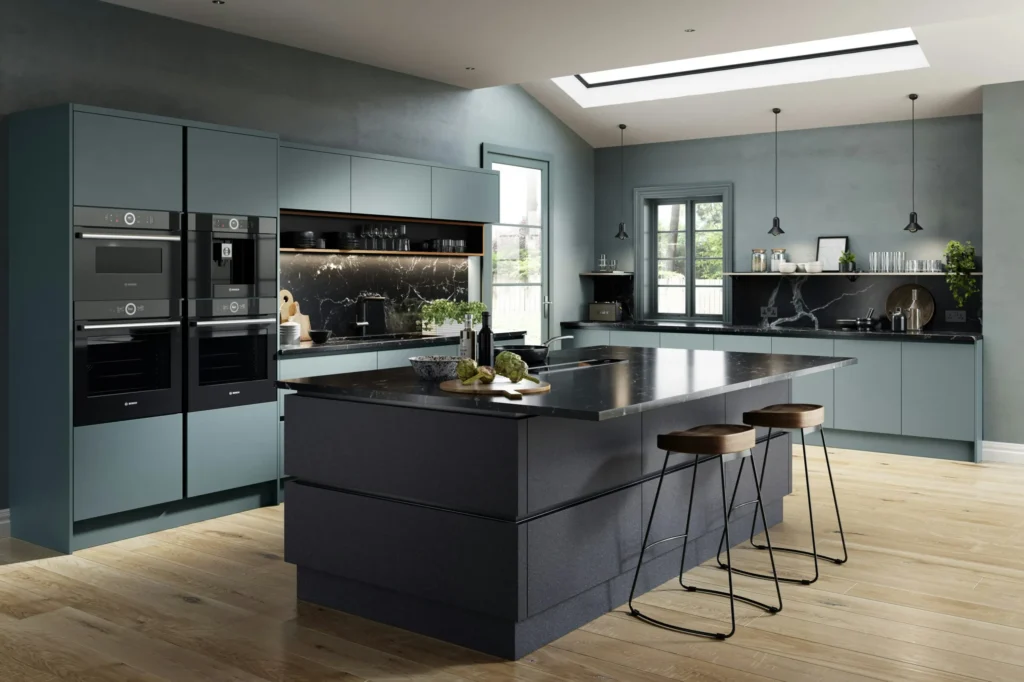
In most cases, Shaker cabinets are less expensive than Raised Panel because they require less carving and finishing work. Simpler lines mean fewer hours in the workshop.
| Style | Average Cost per Door | Reason |
| Shaker | $50 – $150 | Flat design, less labor |
| Raised Panel | $120 – $300 | Complex edges, detailed milling |
Additional Factors
- Material: Solid wood raises costs more than MDF or plywood.
- Finish: Stain or glaze work adds cost for Raised Panels.
- Region: Labor rates differ by market.
To see a detailed breakdown of materials and pricing, check our cost guide — How Much Do Shaker Cabinet Doors Cost in 2025? (Full Price Guide).
What Design Styles Match Shaker Cabinets Best?
Shaker cabinets adapt to many modern and transitional interiors.
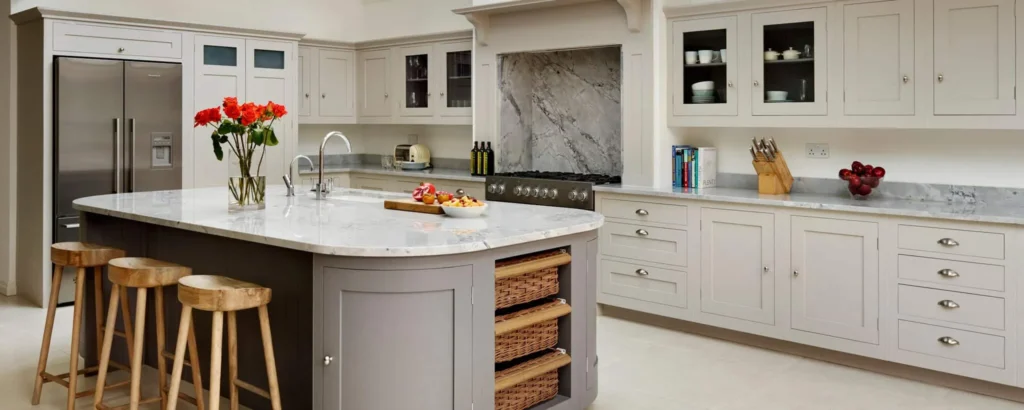
Best Pairings
- Modern Minimalist: clean geometry, matte finishes, handle-less pulls.
- Farmhouse: combine with warm wood counters and apron sinks.
- Scandinavian: mix light wood tones and soft neutrals.
- Transitional: pair Shaker doors with raised trim or luxury stone.
Their flat surfaces welcome any color — navy blue, sage green, or classic white — while remaining understated.
Shaker design works because it emphasizes symmetry, clarity, and practicality, values rooted in the Shaker movement itself.
For deeper insights into why this style remains timeless, visit — Are Shaker Cabinets Still in Style in 2025? Designers Say Yes..
What Design Styles Match Raised Panel Cabinets Best?
Raised Panel cabinets suit traditional, elegant interiors.

Ideal Pairings
- Traditional Homes: emphasize craftsmanship and crown molding.
- Victorian or Colonial: rich woods, detailed edges, ornate pulls.
- Luxury Kitchens: use decorative glazing or inset panel highlights.
These doors create visual depth and shadow play under natural light. They work best in rooms with tall ceilings and architectural features like wainscoting or archways.
However, because Raised Panels include more curves and corners, they require frequent cleaning to maintain a pristine look.
Which Cabinet Type Is Easier to Clean and Maintain?
Maintenance depends on design complexity. Shaker wins in practicality.
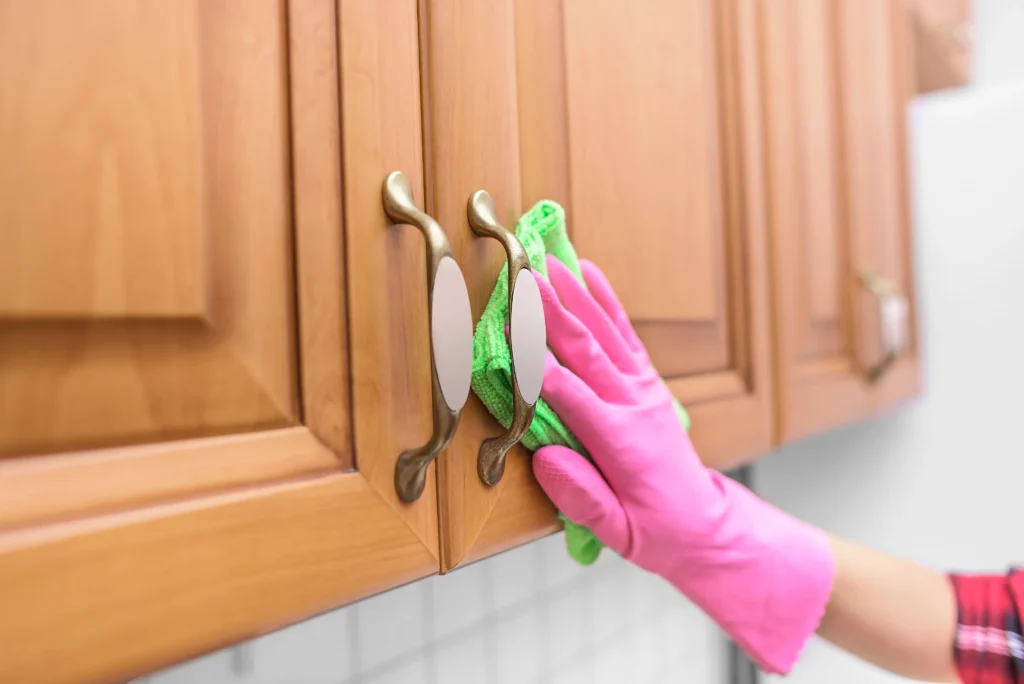
Flat panels and straight edges make dusting and wiping easy. Raised Panels, with grooves and decorative ridges, trap more dust and grease, especially near cooking zones.
Maintenance Comparison
| Task | Shaker | Raised Panel |
| Cleaning | Simple wipe-down | Detailed dusting needed |
| Painting | Easier, smooth surfaces | Time-consuming edges |
| Durability | Strong joinery | Solid but prone to chip edges |
Shaker cabinets also adapt better to repainting or refinishing, making them cost-efficient for long-term use.
If you’re curious how materials affect maintenance and lifespan, see — Best Materials for Shaker Cabinet Doors — MDF, Plywood, or Solid Wood?.
Which Cabinet Style Adds More Resale Value to a Home?
Homebuyers notice cabinetry instantly. Neutral, versatile designs attract the widest audience.

In most real estate markets, Shaker cabinets hold higher resale appeal because they fit a broader range of tastes. Their simplicity allows easy remodeling without full replacements. Raised Panels, while elegant, attract a niche audience seeking classical aesthetics.
| Category | Shaker | Raised Panel |
| Resale Appeal | Broad, modern buyers | Traditional-only |
| Update Flexibility | Easy to repaint or restyle | Hard to modernize |
| Market Demand | High | Moderate |
When designing for long-term investment, Shaker is safer. But if your home’s architecture leans formal, Raised Panels can still feel timeless.
How Can You Choose Between Shaker and Raised Panel for Your Kitchen?
Choosing between the two depends on your space, budget, and personal taste.
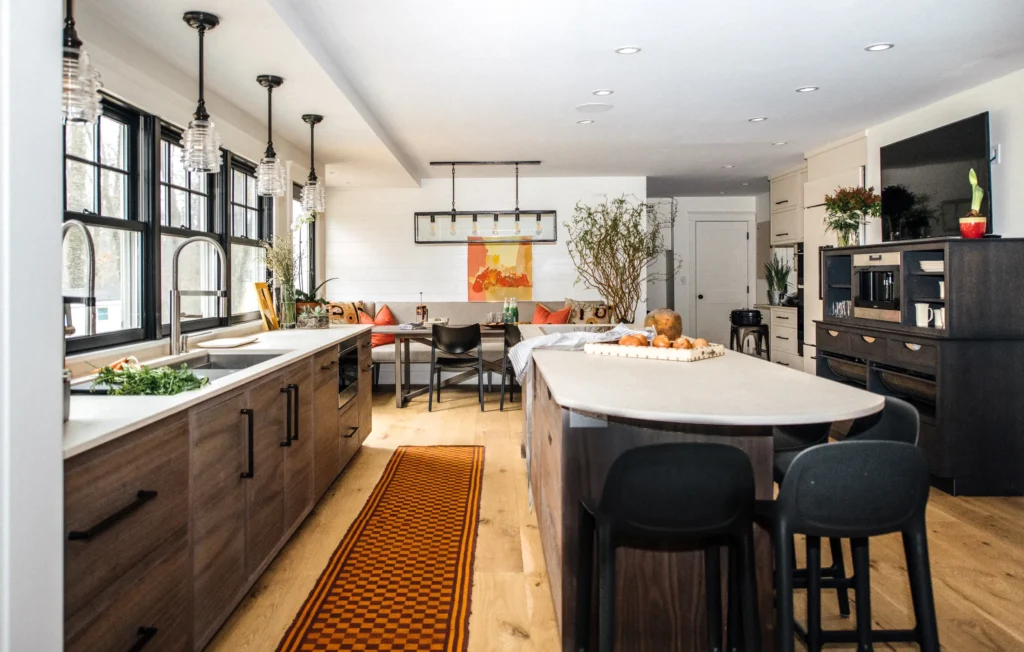
Ask yourself:
- Do you prefer clean lines or ornate detailing?
- Is your space modern and minimal or classic and detailed?
- Do you want low maintenance or luxury craftsmanship?
Shaker offers simplicity, flexibility, and lower cost. Raised Panel offers tradition, texture, and presence.
If you want a hybrid solution, designers often mix the two — Shaker on lower cabinets and Raised Panel on uppers — for layered contrast.
Conclusion
Both Shaker and Raised Panel cabinets tell different design stories. Shaker feels modern and easygoing; Raised Panel feels classic and luxurious. The best choice is the one that matches your lifestyle and aesthetic comfort.
Share Your Plan, Get Ideas
Still deciding which style fits your home? Share your floor plan or reference photos — we can help you visualize both options with coordinated materials and finishes.
Ready to start? Just send us your floor plan.