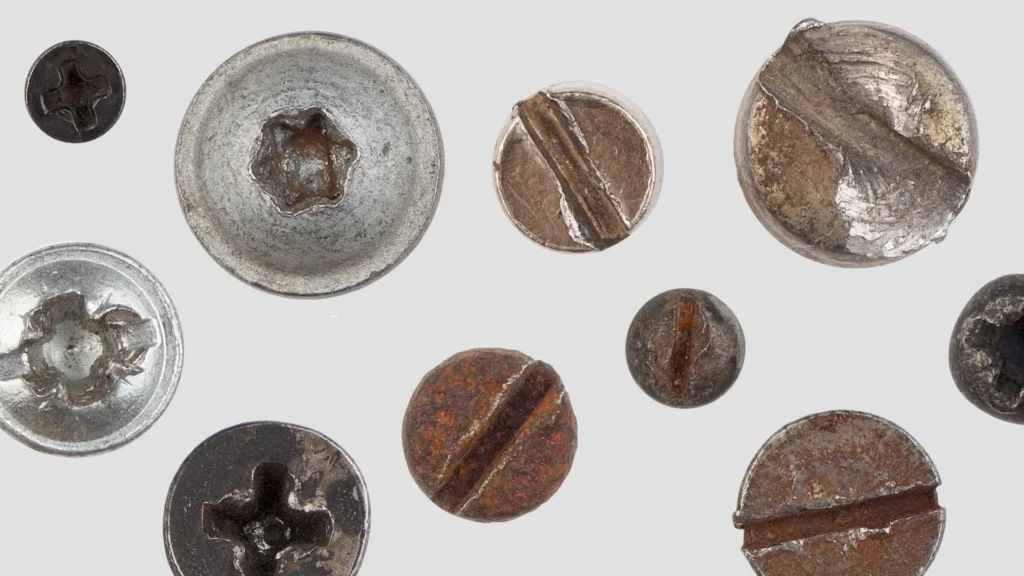
A single stripped screw can stop a project cold. You twist harder, but nothing moves — just the screw head grinding into metal dust. Before you grab power tools, try simpler ways.
At our one-stop building materials hub in Foshan, we know that good workmanship begins with the smallest details — including how you handle fasteners. From kitchen cabinets to large projects, every screw matters. That’s why we love clear, simple fixes that work anywhere, with or without special tools.
A stripped screw happens when the tool can no longer grip the head because the slots have worn out. It may seem stuck forever, but simple friction tricks and basic hand tools can solve it fast.
No need to panic — most stripped screws can be removed safely if you stay patient and use the right technique. Let’s explore how to fix and prevent them.
What causes screws to become stripped?
A screw becomes stripped when too much torque or the wrong driver size wears down its slots. Over-tightening, soft metal, and worn bits are common reasons for this frustrating issue.
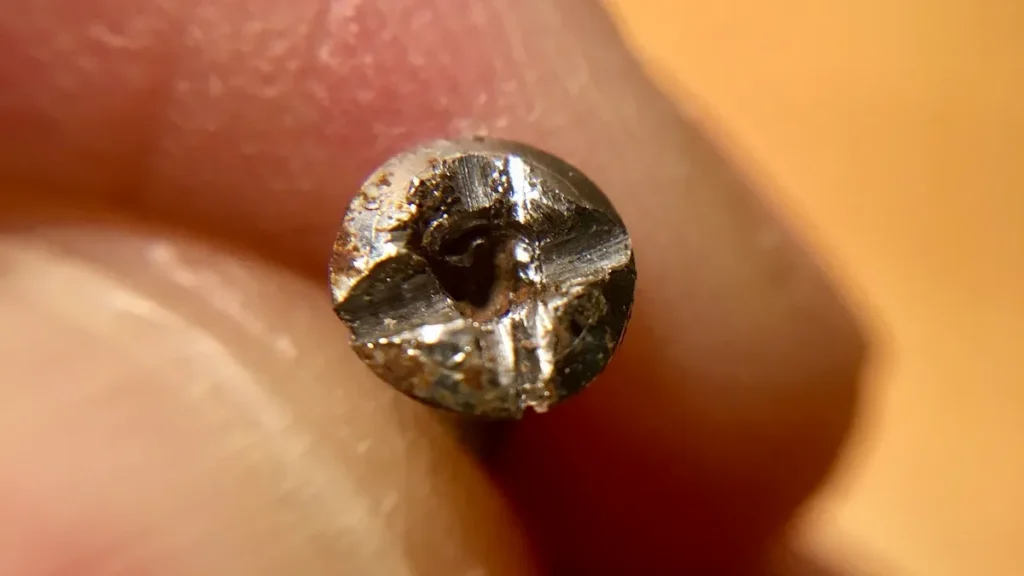
When the ridges on a screw head wear away, the screwdriver slips instead of turning the screw. Using the wrong bit, applying too much force, or holding the driver at an angle all increase wear. Over time, oxidation and poor material quality make the head weaker.
The torque you apply can determine success or damage — an important mechanical concept often defined in Wikipedia’s torque entry. Too much torque tears the slots; too little torque prevents turning. You can reduce stripping by matching bit size to screw head type, keeping your tools clean, and tightening with steady pressure rather than sudden force.
How can you remove a stripped screw without a drill?
If you don’t have a drill, several simple household items can help loosen the screw. Try adding friction or grip to the screwdriver, or twist the screw out using pliers.
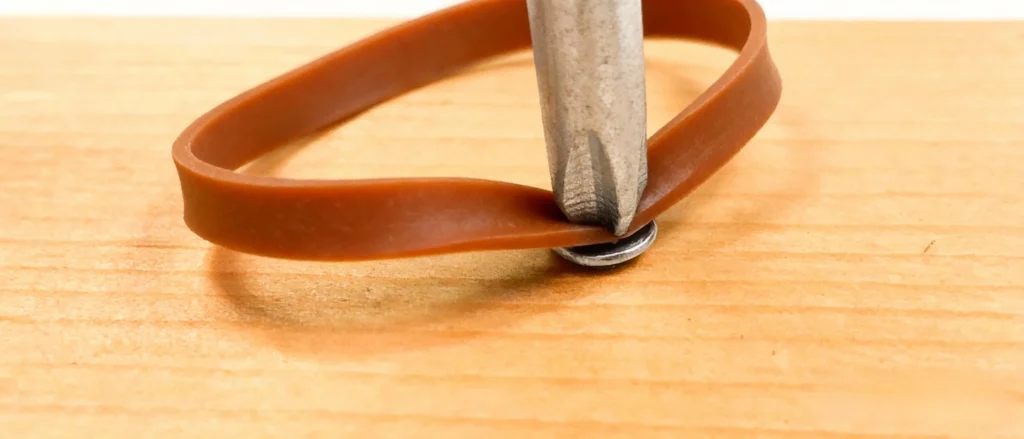
You can use a rubber band, a piece of steel wool, or even duct tape between the screwdriver and the screw head. These materials create friction that fills the worn gaps and allows the screwdriver to catch. If the screw sticks out slightly, clamp it with locking pliers and twist counterclockwise.
When removing a stuck fastener, slow, steady pressure works better than sudden force. Avoid forcing the screw — that often makes it worse. Keeping the screwdriver perfectly vertical helps maintain contact. These no-tool hacks are great for wood, metal, and plastic surfaces when you need control without damaging the material.
Can a rubber band really help remove a stripped screw?
Yes. A wide rubber band adds traction and helps the screwdriver grip the damaged screw head more securely, especially on soft metals.
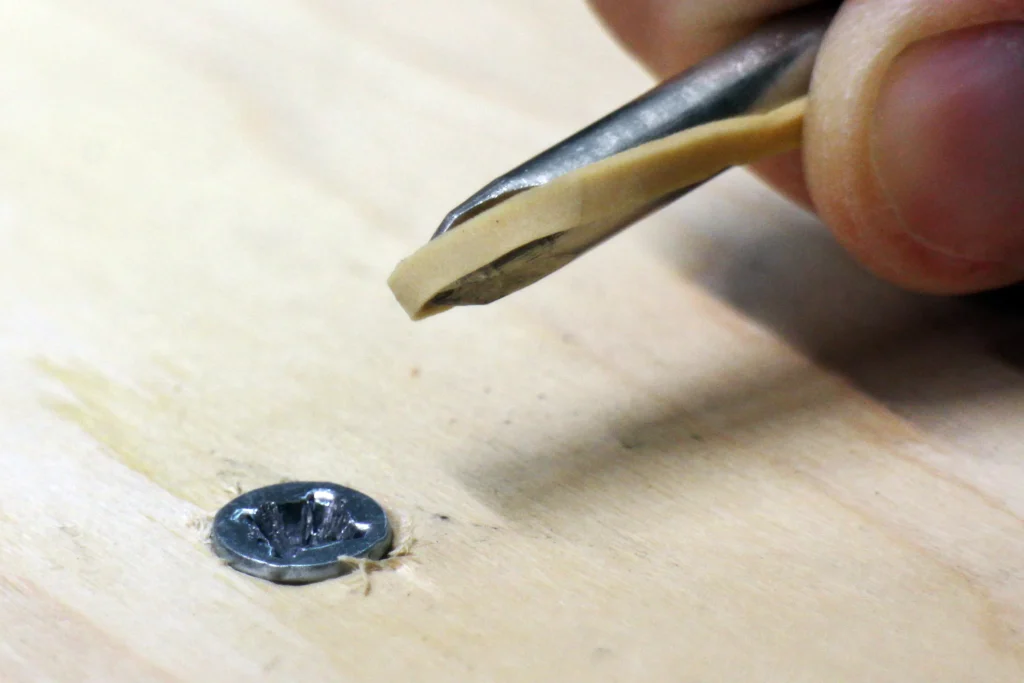
Lay the band flat over the screw head. Push your screwdriver firmly into it, and turn slowly counterclockwise. The rubber fills the worn slots, transferring force evenly. This trick works best for light to medium resistance screws, such as those in furniture or drywall fixtures.
If the screw is rusty, apply a drop of penetrating oil or WD-40 and wait a few minutes before trying again. For added grip, stack two rubber bands. The frictional force here relates to static friction, explained in Wikipedia’s friction article, which shows how two surfaces resist motion when pressed together.
What’s the easiest way to fix a stripped screw in wood?
In wood, the simplest repair is to fill the damaged hole so the screw can bite again. You can use wooden dowels, toothpicks, or glue to rebuild the thread.
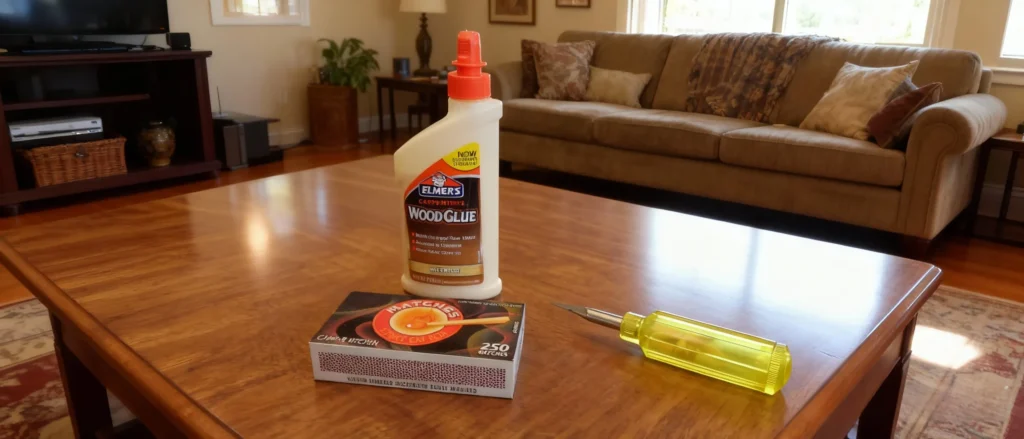
Push a few toothpicks coated with wood glue into the hole. Break them flush with the surface, let the glue dry, and then reinsert the screw. The new filler gives the threads something to grip.
For larger holes, use a wooden dowel. Cut it to length, glue it in place, and redrill a pilot hole in the center. The goal is to restore a snug fit without splitting the wood. A snug fit keeps the screw straight and prevents future stripping. This method is cheap, fast, and reliable for door hinges, furniture, and cabinetry.
How do you get a stripped screw out of metal?
Removing a stripped screw from metal takes patience. The key is to loosen the bond between the screw and the threads using friction, lubricant, or gentle tapping.
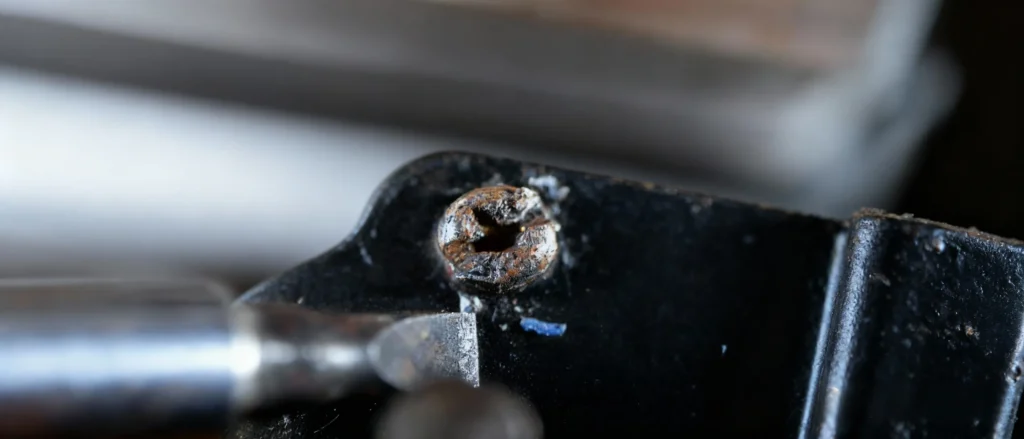
First, apply penetrating oil or a drop of vinegar to dissolve rust or corrosion. Wait 15–30 minutes. Then, grip the screw with pliers and turn slowly. If that fails, use a flathead screwdriver to tap lightly into the head with a hammer.
Metal screws often seize due to rust or heat expansion. If needed, heat the area slightly with a heat gun to expand the metal, then cool it down before twisting again. Always wear gloves and eye protection.
Can you fix a stripped screw hole instead of replacing it?
Yes. A stripped hole can be repaired using simple materials like glue and filler or reinforced with threaded inserts for a stronger hold.
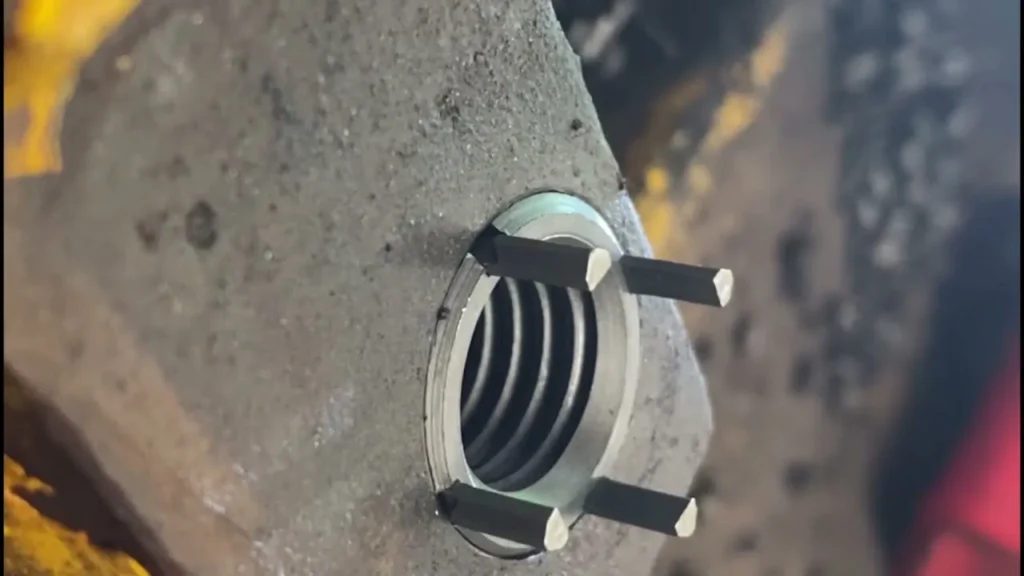
In wood, filling the hole with toothpicks or dowels works. In metal, use a threaded insert (also called a Heli-Coil). Drill out the hole, install the insert, and reinstall the screw. This restores full grip and alignment.
When the surface must remain original size — like in door hinges — inserts are ideal. They maintain thread consistency while adding strength. For lighter loads, filling holes with glue and wood fibers is usually enough.
How do you prevent screws from stripping again?
Prevention starts with choosing the right tools and using them properly. Correct bit size, slow speed, and steady pressure are key.
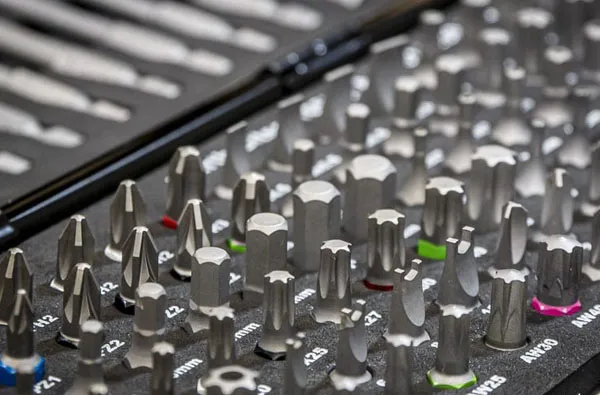
Always use a screwdriver that fits perfectly into the screw head. Avoid applying pressure at an angle. If you’re using a drill, choose a low torque setting. Pre-drill pilot holes in wood to reduce resistance.
Keep your bits sharp — dull bits slip easily. Replace worn-out screws and drivers promptly. When tightening, stop as soon as you feel resistance; forcing it further often causes damage.
If you work on metal or hardwood, consider using higher-quality fasteners made of hardened steel. They are less prone to stripping and last longer under pressure.
How do you remove a stripped screw from plastic safely?
Plastic is softer than wood or metal, so you need a gentle touch. Avoid heat or force — use grip instead.
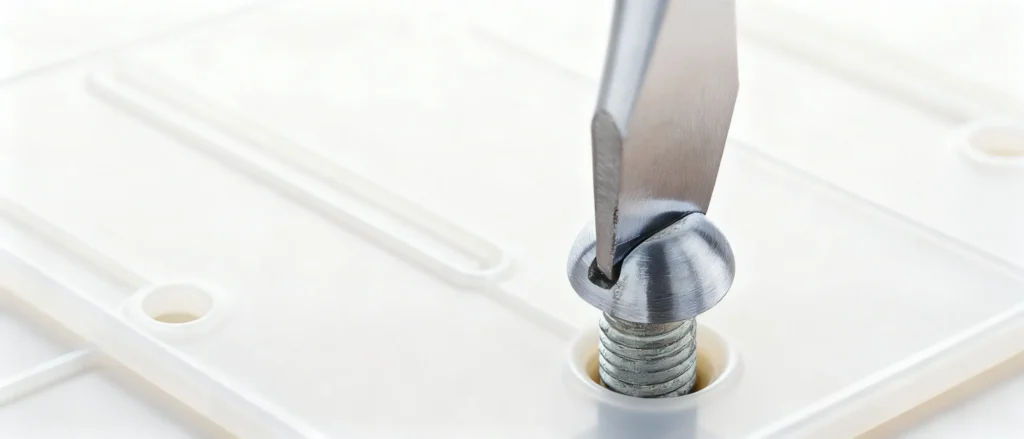
Place a thin rubber band between the screwdriver and the screw head. Press down gently while turning counterclockwise. If it won’t budge, drip a small amount of dish soap or oil around the screw to reduce friction.
If the plastic begins to warp, stop immediately. For delicate electronics, use a precision screwdriver or a screw extractor designed for small components. Working slowly protects the material and keeps screw holes reusable.
How do screw extractors work and are they worth it?
Screw extractors are specialized bits designed to drill into and remove damaged screws. They are especially useful when other methods fail.
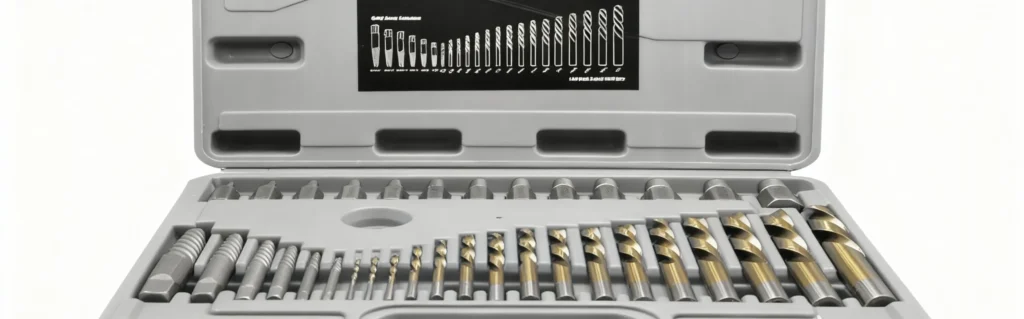
Each extractor has two ends — one drills a pilot hole, and the other grips the screw. You drill in reverse mode so the extractor turns the screw out as it bites.
These tools save time for frequent repair work, but for one-off home fixes, household methods often work just as well. The key is to use them at low speed and with steady pressure to prevent further stripping.
Can WD-40 or oil help loosen stripped screws?
Yes. Lubricants can break down rust and make the screw easier to turn. They also reduce metal-on-metal friction.
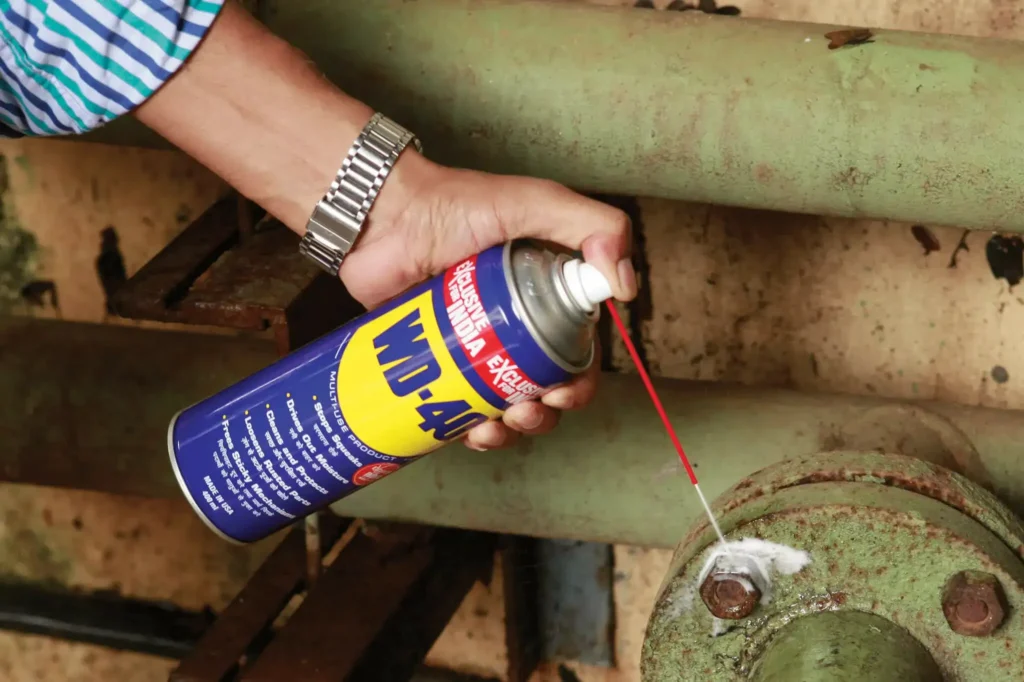
Spray a small amount of WD-40, cooking oil, or vinegar around the screw head. Let it sit for several minutes. Wipe away the excess, then try to turn the screw with a screwdriver or pliers.
These lubricants penetrate tight spaces, helping loosen the threads. They’re especially useful for outdoor or machine parts exposed to moisture.
Conclusion
Stripped screws don’t need to ruin your day. With simple tools, patience, and the right technique, you can fix or remove almost any damaged screw.
Final CTA
If you’re planning your next project — big or small — and need layout or hardware advice, send us your floor plan. Our design team can help you match materials, solve fit issues, and prepare quick estimates.
Want to get started? Just send us your drawing.