Space remodels stall when tile orders arrive chipped, late, or off-color.
The right manufacturer keeps consistency across thousands of pieces, backs each batch with strict tests, and ships on time—protecting budgets, schedules, and long-term homeowner trust.
Read on to see how leading plants earn that trust and what signals set them apart.
What makes a tile manufacturer a 2025 industry leader?
Outdated kilns, low safety scores, and weak warranties still lurk in the market.
An industry leader proves low defect rates, open environmental data, and fast design refresh cycles; these traits win large projects and push trends rather than follow them.

Continuous lab tests, transparent audits, and rapid prototyping set the new bar. Leaders publish yearly defect numbers, invite third-party inspectors, and use digital twins to refine glazes before firing. Their design teams track color forecasts and launch limited runs every quarter, keeping retailers excited. Plants using modern roller kilns cut firing time by half and save gas, slashing lead times even at peak demand. They monitor each batch with vision AI that flags micro-cracks smaller than a human hair. This reduced waste lowers costs that bulk buyers feel in every crate. A clear customer dashboard shows production stage, freight status, and delivery ETA, letting contractors line up crews without guesswork. When clients see stable quality combined with fresh looks and reliable schedules, they place repeat orders and recommend the brand, completing the leader’s flywheel.
Which U.S. tile brands dominate domestic production volumes?
Big box aisles stock miles of imported tiles, but local output still matters.
Three large U.S. producers together supply over half of national ceramic demand; their size secures steady clay sources, keeps prices stable, and shortens shipping routes.

Domestic giants run multi-state quarries, ensuring a constant blend of kaolin, feldspar, and silica despite weather swings. Rail links at each plant cut trucking miles, trimming both cost and emissions. Automated glazing booths push out up to 80 000 ft² per shift, while smart forklifts track each pallet by RFID through firing, sorting, and wrapping. These volumes let factories offer small re-order runs for repair work even years later, a service smaller importers cannot match. Local buyers also dodge port delays and container surcharges. Though imports will always fill niche colors, U.S. mega-plants now coat tiles with digital ink-jet patterns rivaling Italian aesthetics, keeping more projects domestic.
How do global tile giants compare on innovation metrics?
Some firms file patents while others copy glazes from trade fairs.
Global leaders invest 5 %–7 % of revenue in R&D labs, patent automated color calibration, and pilot hydrogen kilns—outpacing regional makers who average under 1 %.
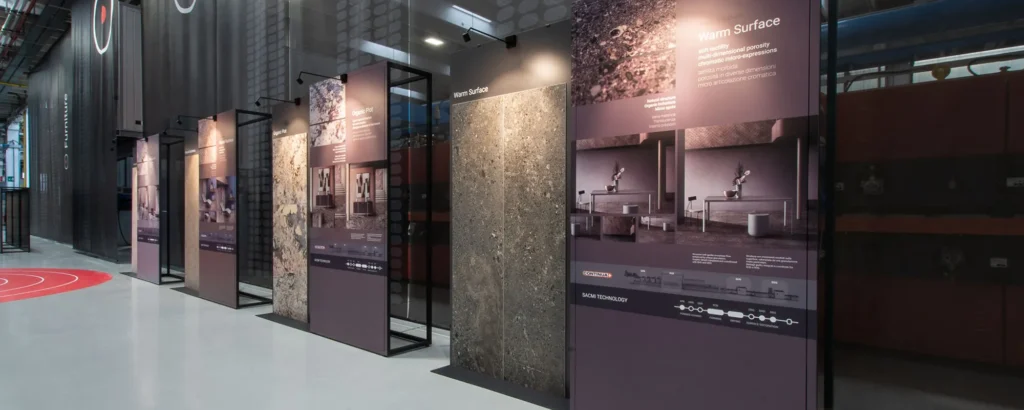
Sample Innovation Scorecard
| Metric | Top Global Makers | Average Regional Plant |
| R&D spend (% revenue) | 6.2 % | 1.3 % |
| New SKUs per year | 400 | 75 |
| Patent filings 2024 | 120 | 8 |
| CO₂ per m² fired tile | 0.38 kg | 0.85 kg |
Smart ink-jet heads lay sixteen layers of pigment, giving marble veins that fool stonemasons. Glaze chemists tweak nano-siO₂ blends to hike surface hardness without extra firing heat. Pilot hydrogen kilns show 30 % lower carbon output, preparing for stricter building codes. Firms share these wins in public ESG reports, winning architect trust. Regional plants risk lagging unless they partner or license tech from these innovators.
Are eco-certified tile manufacturers truly greener and safer?
Green labels flood catalogs; many confuse buyers.
Only certifications that audit energy, water, and chemical use across the full plant—like ISO 14001 and third-party carbon labels—prove real gains rather than marketing claims.
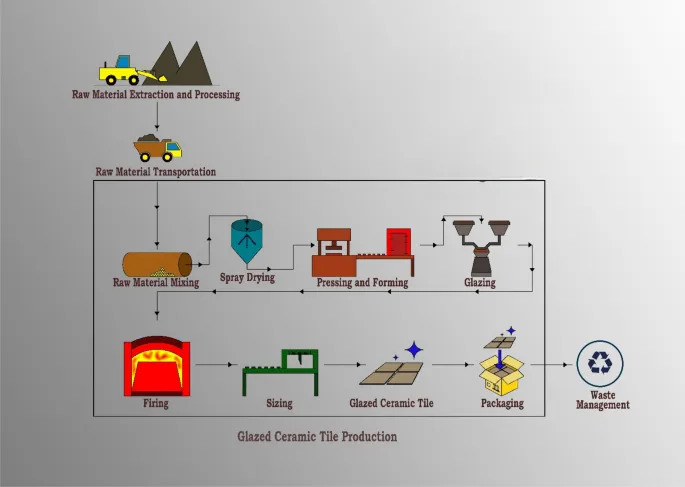
Eco leaders recycle up to 98 % of unfired scrap back into new body mix. Closed-loop water systems harvest glaze booth runoff, cutting fresh water draw by 80 %. Fume scrubbers trap fluoride and boron before exhaust leaves the stack, protecting workers and neighbors. Plants publish EPDs (Environmental Product Declarations) showing exact CO₂ per square meter, allowing specifiers to hit LEED and BREEAM targets. Safe glazes replace lead-bearing frits with bismuth blends, ensuring no heavy metals leach when tiles are cut on site. Certifications demand third-party lab tests every year; missing a test risks public delisting, so compliance stays tight.
Does manufacturing location still impact tile shipping costs?
Fuel surcharges keep rising; location can crush margins.
Tiles weigh 4–5 kg per square meter; shipping from distant continents can double landed price, while regional plants within 500 miles often cut freight by 35 %.

Inland U.S. jobs once defaulted to ports, but rail bottlenecks and chassis shortages now add two weeks. Domestic plants near major interstates load flatbeds that reach job sites in 48 hours. Imports still shine on exotic finishes, yet buyers hedge risk by splitting orders: staples from regional plants, accent pieces from overseas. Freight brokers quote tile by weight breakpoints; passing 20 000 lbs triggers heavy haul premiums. Manufacturers co-load trim pieces atop pallets to maximize cube usage, shaving one truck for every ten pallets compared with loose boxes. When fuel spikes, plants with central warehouses adjust routing quickly, keeping project budgets on track.
Which materials give tiles the best durability ratings?
Floor failures lead to costly tear-outs and schedule slips.
Porcelain made with fine-ground clay and fired above 1200 °C achieves water absorption under 0.5 %, beating standard ceramic for freeze-thaw and heavy traffic zones.
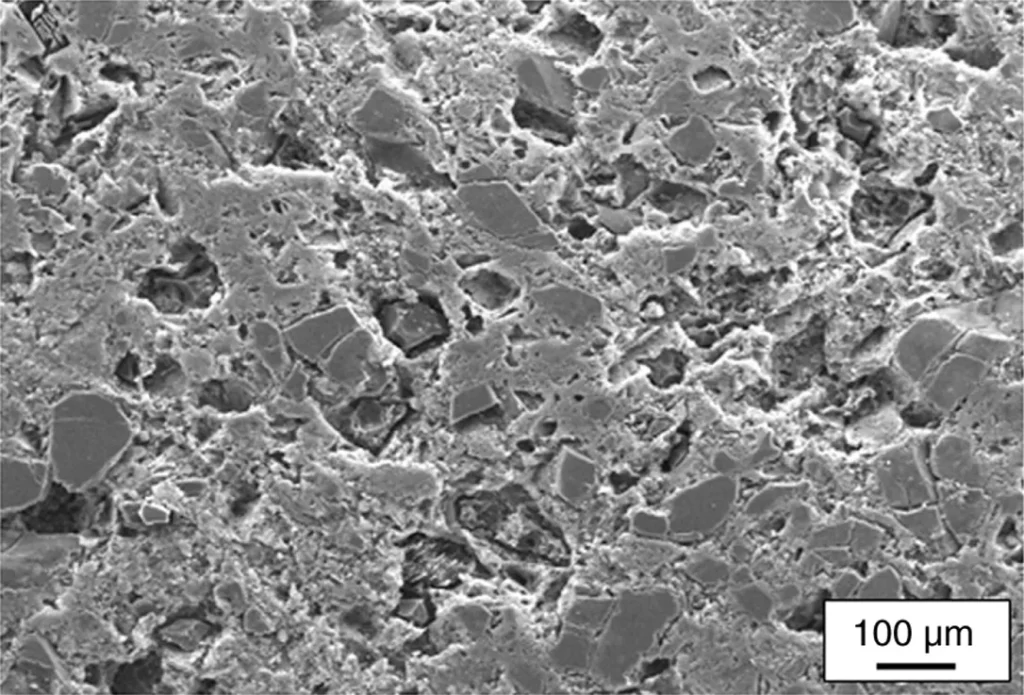
Durability Comparison Table
| Property | Porcelain | Standard Ceramic | Cement Encaustic |
| Water absorption | < 0.5 % | 3–7 % | 6–8 % |
| PEI wear rating | 4–5 | 2–3 | N/A |
| Breaking strength | ≥ 250 lb | 125 lb | 300 lb |
| Freeze-thaw safe? | Yes | No | Seal required |
Porcelain’s vitrified body shrugs off patio freeze cycles. Nano-sealing glazes add slip resistance without dulling shine, perfect for hotel lobbies. Standard ceramic still suits walls, weighing less and costing 15 % less per square foot. Cement encaustic offers handmade charm but needs annual sealers. Knowing these numbers helps specifiers pick the right tile, cutting callbacks.
Can small artisan workshops rival mass-market tile manufacturers?
Boutique studios woo designers with hand-poured colors and bold reliefs.
Artisan shops cannot match mega-plant volumes, yet they outshine on custom palettes, flexible minimums, and local storytelling that high-end buyers crave.

Small kilns fire batches as low as 30 ft², letting homeowners match a vintage hearth or restaurateurs brand a feature wall. Studios mix pigments on the bench, achieving hues corporate R&D never funds. Lead times stretch to six weeks, but clients accept the wait for one-of-a-kind results. Artisans use traditional press molds and hand-cut stencils, producing raised motifs big factories cannot replicate without new molds. Their higher price per piece remains viable in accent zones instead of full floors. Mass plants respond by launching “studio lines” that mimic handmade edges through digital irregularity prints, though trained eyes still spot the difference.
What automation advances are improving tile quality control?
Human eyes tire; robots scan nonstop.
Machine-vision cameras now inspect every tile at 60 ft / min, flagging glaze drips and micro-cracks smaller than 0.1 mm, cutting customer rejects by 70 %.

Robotic arms pull flagged pieces into rework bins before pallets form. Neural nets trained on millions of defect images update weekly; false rejects drop as the model learns. Inline colorimeters compare glaze tone against target LAB values within ΔE < 1.2, ensuring each box matches previous lots—a must for remodel patch jobs. Autonomous palletizers read RFID tags to stack SKUs by delivery route, reducing resorting time at distribution hubs. Plants retrofit older lines with plug-and-play sensor kits, avoiding full machine replacements. Operators now monitor dashboards, stepping in only when a red alert lights. This shift turns quality from inspection into prevention.
Do recycled-content tiles compromise strength or appearance?
Landfill reduction looks good, but does it last?
Post-industrial cullet replaces up to 40 % of virgin clay without weakening porcelain; correct milling and flux additives keep bending strength above 250 lb.
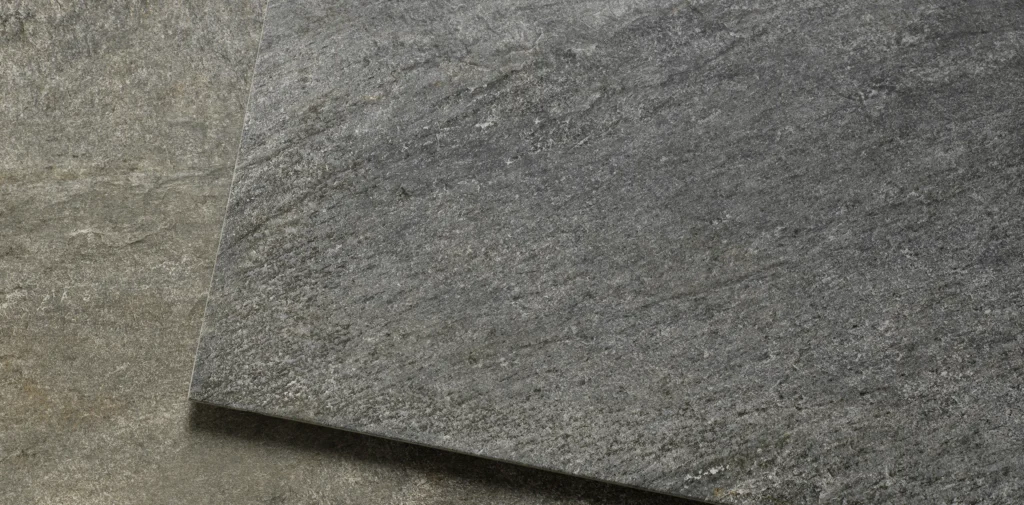
Manufacturers grind waste glass into < 45 µm powder, then blend with fresh clay and feldspar. Flux in glass lowers sintering temperature by 20 °C, saving gas while sealing pores. The glass-rich body fires slightly paler; digital ink-jet then prints full color, masking tint shifts. Slip resistance remains unchanged when surface textures stay the same. Recycled ratios beyond 40 % can introduce blistering, so plants run pilot firings before scaling. Environmental product labels note recycled content, aiding architects targeting LEED points. Clients gain green credentials without performance trade-offs or big cost hikes.
How will rising energy prices shift tile production hubs?
Gas spikes threaten energy-hungry kilns.
Plants near renewable power or low-cost gas basins gain edge as firing consumes 30 % of tile production costs; distant, high-tariff regions risk losing export share.
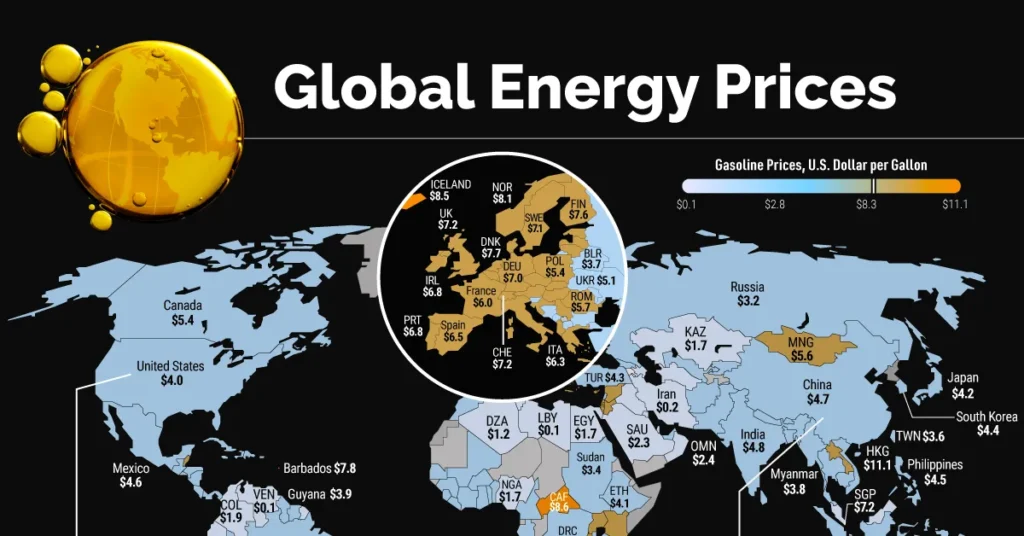
Sun-rich regions fit solar arrays on factory roofs, offsetting daytime mill power. Some kilns trial biomass pellets, cutting gas reliance by 15 %. Government subsidies for hydrogen infrastructure lure new plants to coastal hubs with green ammonia imports. Regions with carbon taxes see unit costs rise, pushing buyers to lower-carbon imports even after freight. Decision makers model landed cost scenarios quarterly, adjusting sourcing between domestic and overseas suppliers. Forward gas contracts smooth spikes, yet only big groups secure multi-year deals, squeezing smaller factories.
What warranty terms separate top-tier tile suppliers today?
Fine print hides future costs.
Premium suppliers offer 25-year fade and wear warranties backed by clear claim rules, while entry-level lines stick to 10 years and exclude color variation.

Top warranties cover surface abrasion rated PEI 4+, indoor UV stability, and freeze-thaw failure when installed per standard. Claim windows stay open 30 days after discovery, with on-site lab sample pickup paid by the factory. Lower-tier policies require buyers to ship samples at their own cost, delaying fixes. Check for pro-rated clauses that drop coverage value each year; better plans stay full for the term. Ask if replacement freight and labor are included—few are. Clear warranties show supplier confidence and reduce disputes, saving reputations on both sides.
How are AI design tools shaping 2025 tile aesthetics?
Trends evolve monthly; human sketch cycles lag.
Generative AI suggests infinite patterns from mood board inputs, then exports printer-ready files in hours, cutting design time by 80 % and releasing micro-collections each season.

Designers upload color palettes and style words—“coastal sand, soft wave”—into the model. The AI outputs seamless textures sized to exact printer pixel grids. Teams vet originality, then push a handful to test firing. Real-time color correction compensates for glaze chemistry shift, avoiding trial-and-error loops. Factories schedule micro-batch prints, gathering market feedback before mass release. Influencers showcase fresh drops monthly, keeping consumer interest high. While AI speeds ideation, final curation stays human-led to ensure cohesive lines and avoid trend whiplash.
Conclusion
Assess leadership by quality, innovation, and sustainability; pick materials to match use, and your tile choice will last decades without surprises.
FAQ
How are porcelain and ceramic tiles different?
Porcelain fires hotter, absorbs less water, and suits heavy-traffic or outdoor areas; ceramic is lighter, cheaper, best on interior walls.
Can tiles warp after installation?
Yes, when large-format tiles lack proper back-butter or substrate is uneven; follow leveling clips and flatness specs to avoid lippage.
What is PEI wear rating?
A lab scale from 0 to 5 showing surface abrasion resistance; choose PEI 4 or 5 for commercial floors, PEI 2–3 for walls.
Do matte tiles require less cleaning?
Matte hides footprints better but holds more grime; periodic deep scrub with neutral cleaner keeps texture clear.
How thick should grout lines be?
Porcelain rectified tiles can use 1/16 in gaps; pressed-edge ceramic needs 1/8 in to hide size variance and allow movement.
Is epoxy grout worth the premium?
Epoxy resists stains and water, ideal for kitchens and pools, but costs more and sets fast—hire an installer familiar with it.
Can floor tiles go on walls?
Yes, if weight is within wall substrate limits; check drywall load capacity or add cement board.