
Terracotta Tiles For Warm, Characterful Spaces
Earth-tone tiles for kitchens, courtyards and living rooms, bringing a soft, rustic feeling to villas, apartments and cafés.
Why Choose Terracotta Tile

Warm, natural clay brings a lived-in glow you can’t get from factory looks. Terracotta ages beautifully, adds comfort underfoot, and ties indoor and outdoor spaces into one calm palette.
Authentic color & finish: salmon, ochre, burnt umber; natural/raw, pre-sealed, waxed or glazed.
Real texture: smooth, sanded, or tumbled with straight or hand-chiseled edges for character.
Built for use: slip-resistant surfaces; seal-on-site or pre-sealed options; low-absorption / frost-resistant bodies for patios and freeze–thaw climates.
Flexible formats: square, rectangle, hex, arabesque—perfect for herringbone, running bond, checkerboard, and rug inlays.
Complete details: skirting, stair nosing, thresholds, coping, and matching grout/sealers.
Easy care: clean with neutral pH; reseal on schedule; individual pieces are simple to repair or replace.

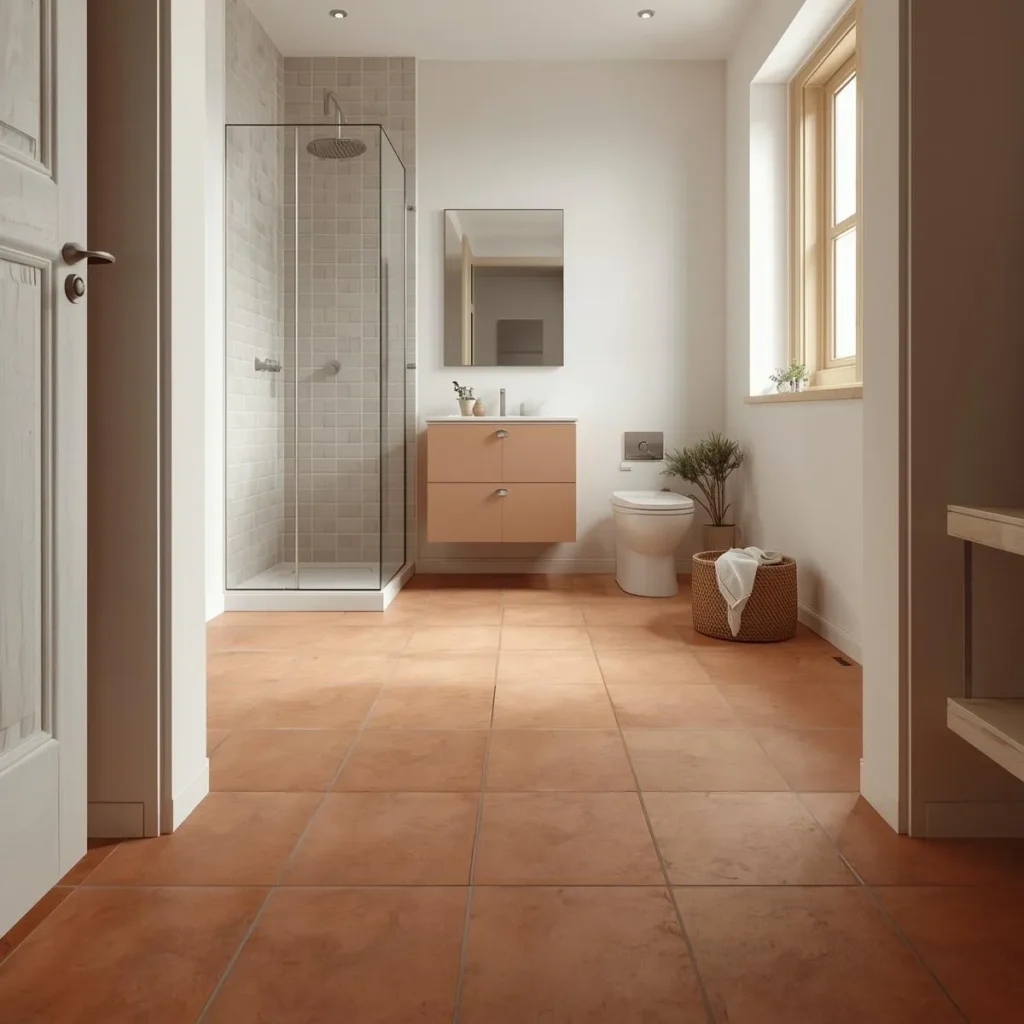
Clay Body Types
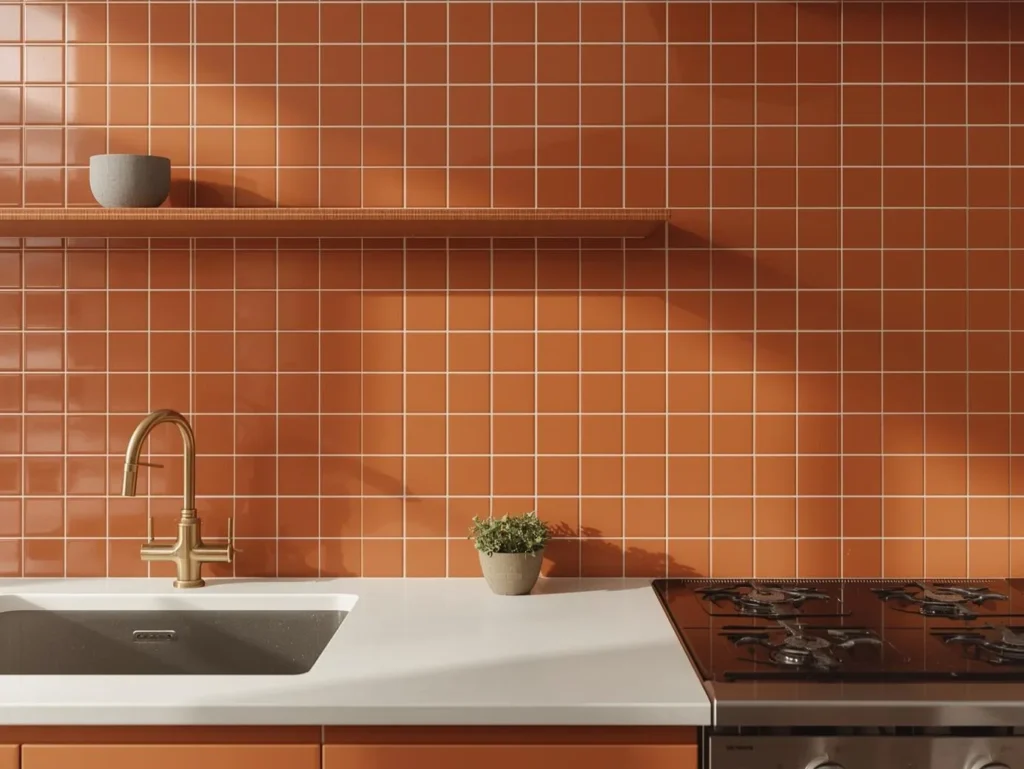
Glazed Terracotta Tile
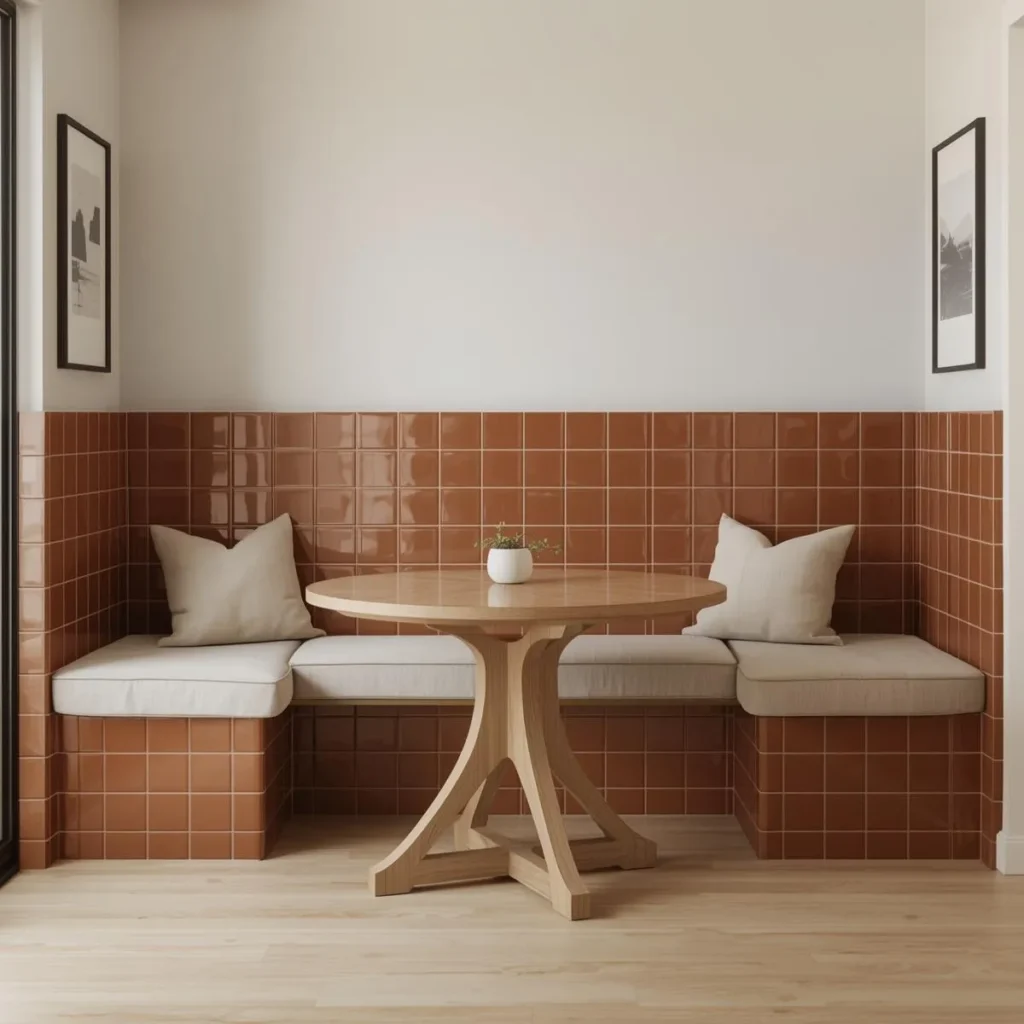
Look & color: Uniform tone with gloss/satin/matte glazes; custom colors possible; minimal shade variation.
Protection: Vitreous surface = low absorption; highly resistant to stains, oils, and household acids; easy wipe-clean.
Texture & slip: Generally smoother; choose matte/structured glazes where extra traction is needed.
Care: No surface sealing required (seal grout only). Simple maintenance with neutral cleaner.
Best use: Kitchen backsplashes, shower walls, feature walls, and light–medium traffic interior floors where easy cleaning matters.

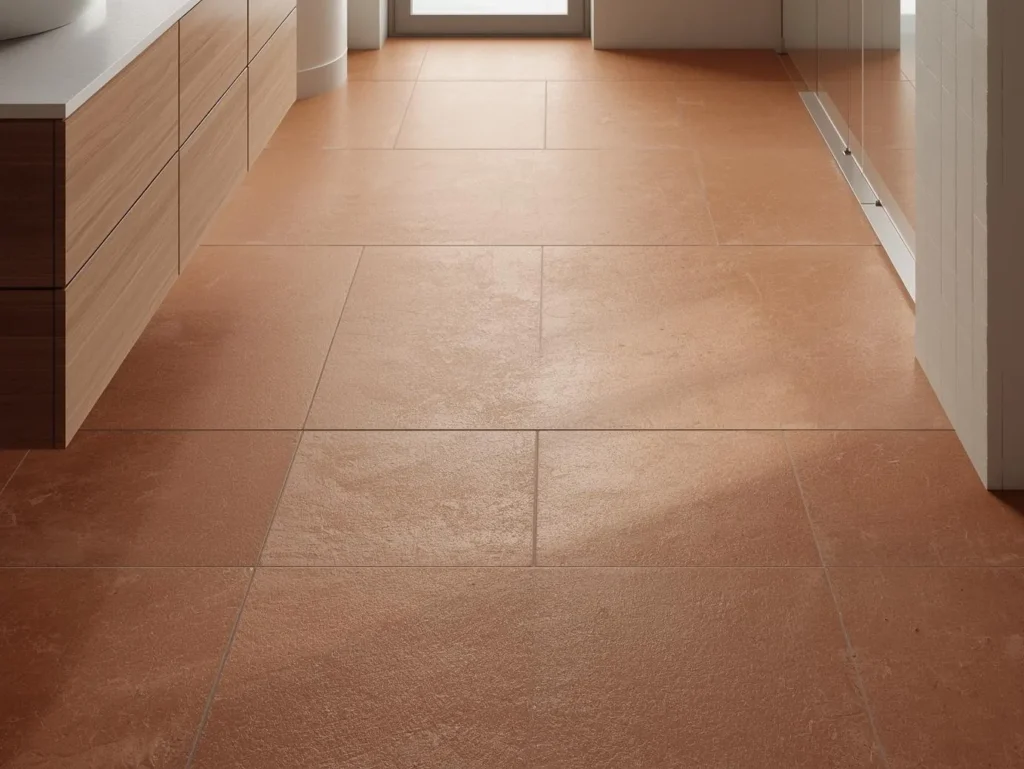
Unglazed Terracotta Tile
Look & feel: Raw, breathable clay with warm shade variation and a natural, hand-made character that patinas over time.
Performance: Higher porosity—seal on install (penetrating + topcoat or pre-sealed option) and reseal periodically.
Texture & slip: Naturally grippy; excellent traction for wet areas and high-traffic floors. Works well with radiant heat.
Care: Neutral pH cleaner; spot repairs are straightforward; individual pieces can be refinished or replaced.
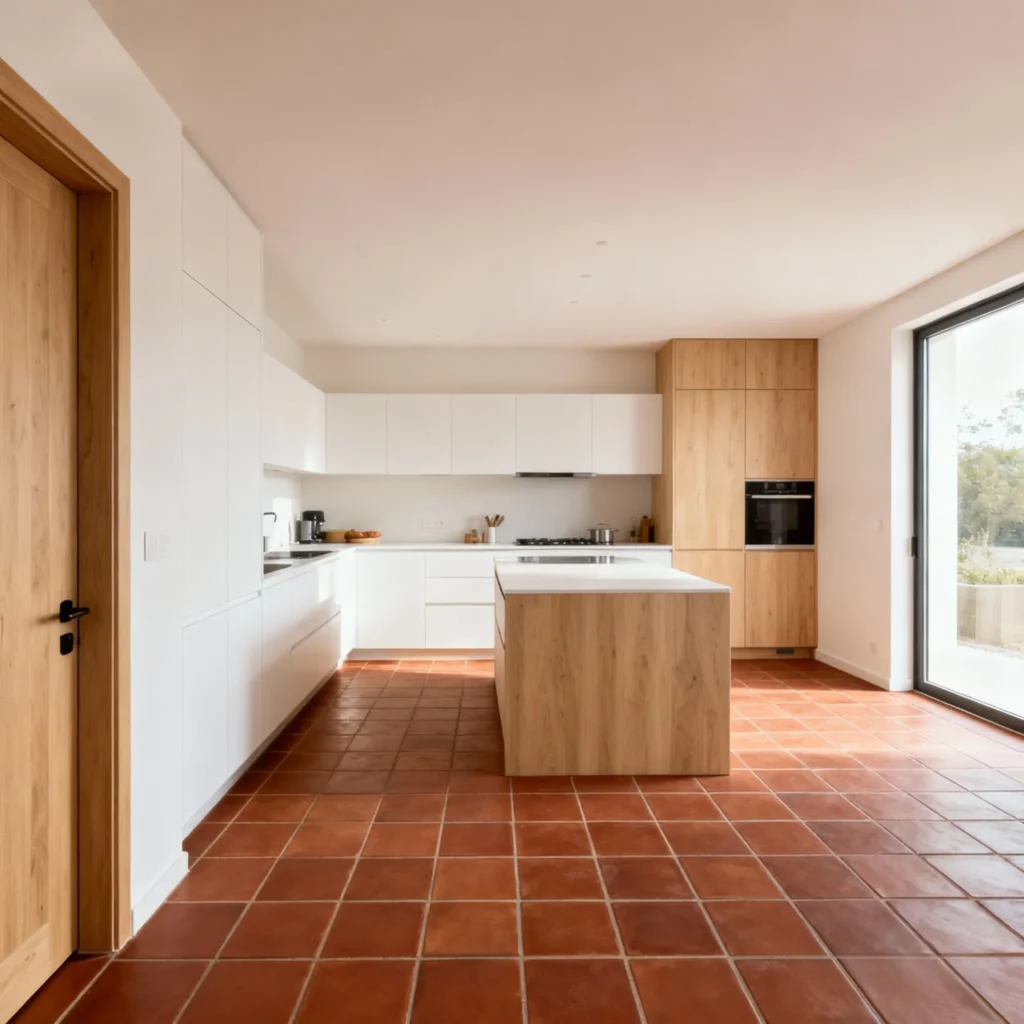
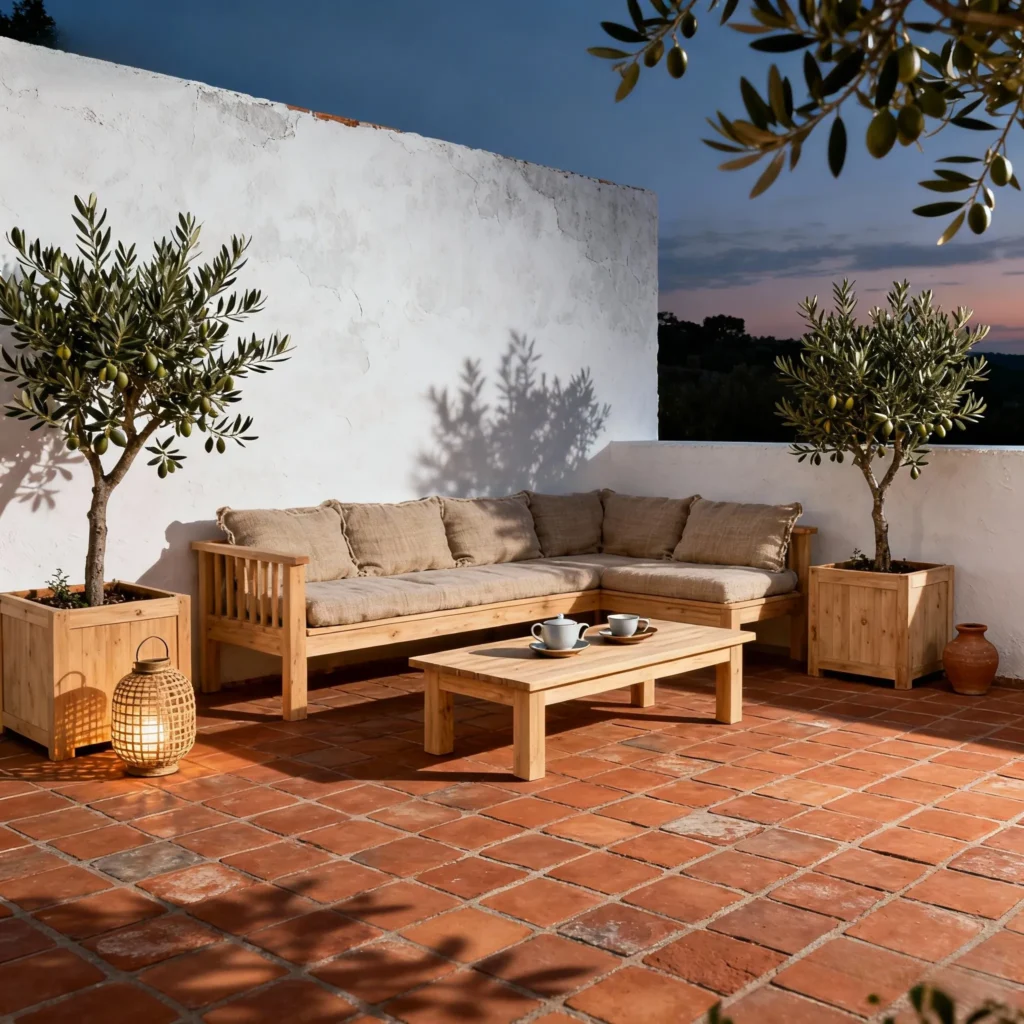
Best use: Rustic kitchens and living areas, verandas/patios (when specified in low-absorption, frost-resistant bodies), courtyards, and projects seeking an authentic aged look.
Terracotta Tile Pattern Ideas
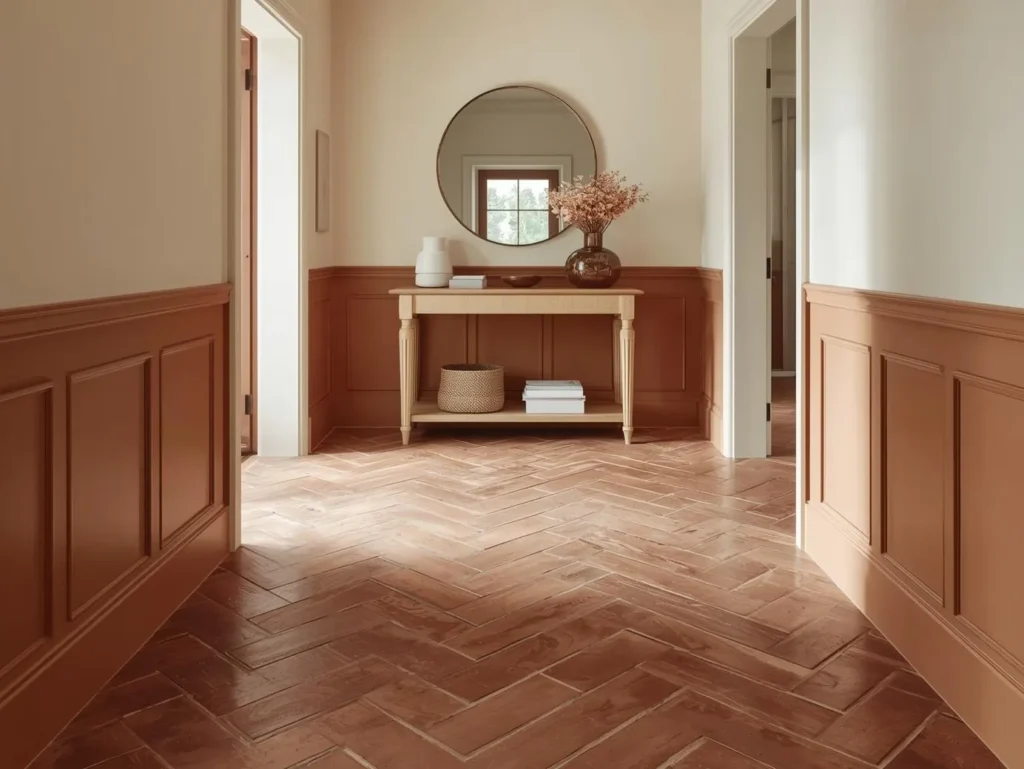
Herringbone Terracotta Tile
A timeless chevron layout that adds movement and elegance. Great for hallways, entries, and patios—visually widens narrow spaces and brings a classic European courtyard feel.
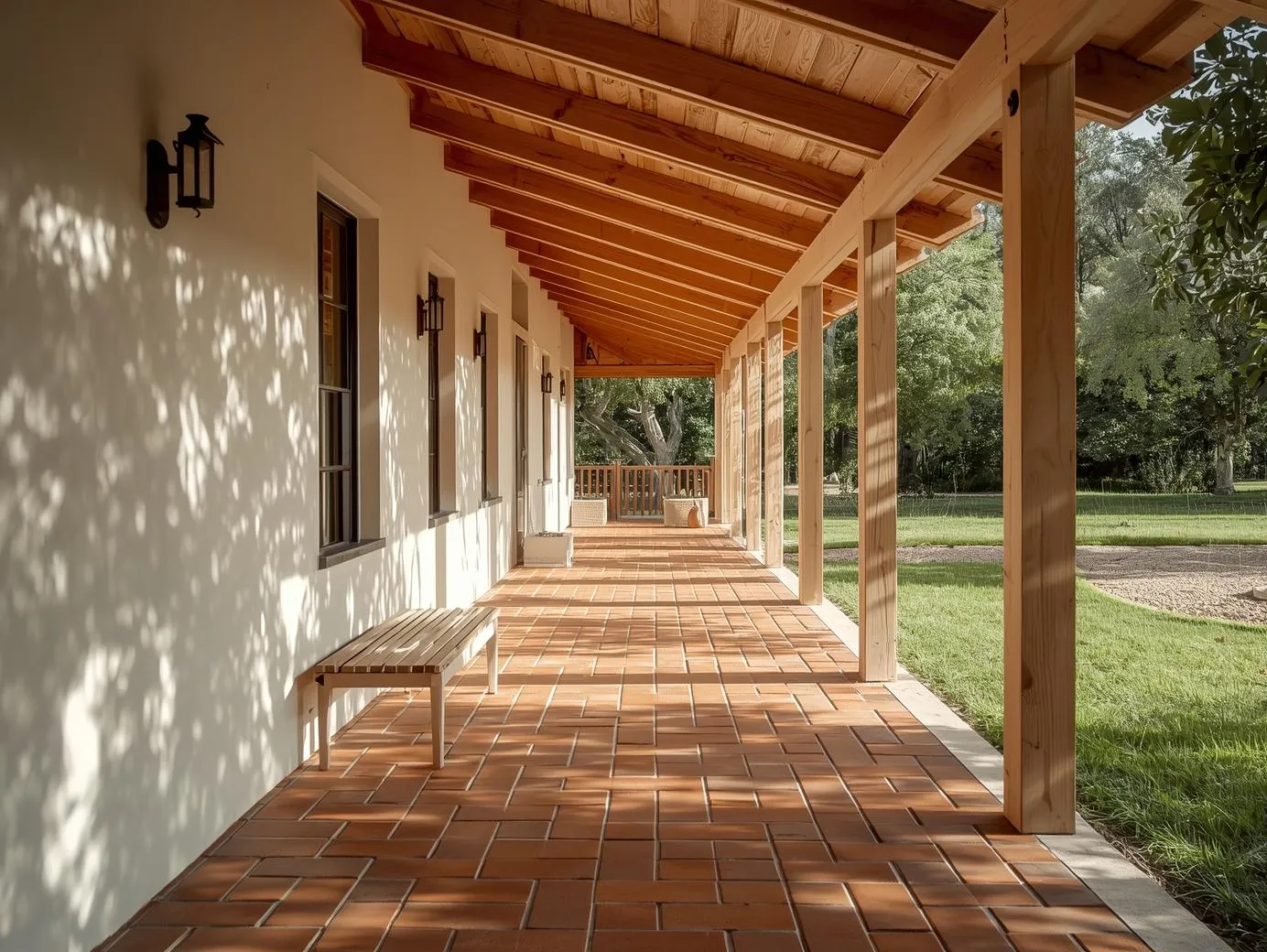
Running Bond Terracotta Tile
Brick-style offsets create a relaxed, linear flow. Easy to lay with minimal waste and very forgiving on subfloors—perfect for porches, verandas, and long walkways.
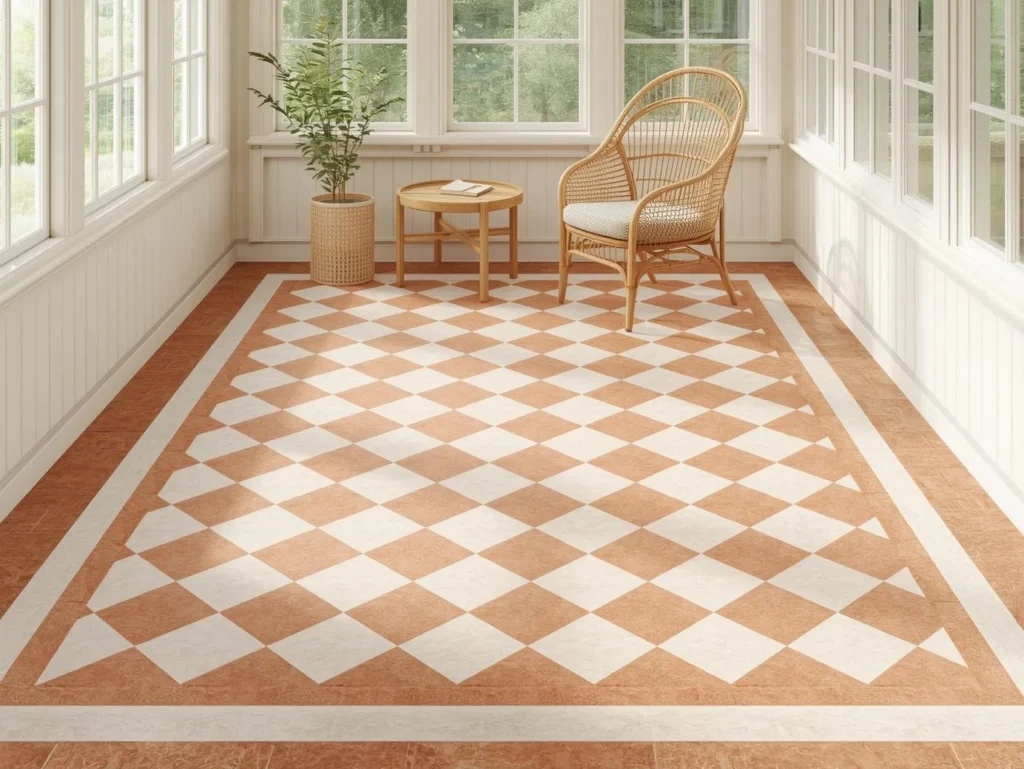
Checkerboard Terracotta Tile
Alternate terracotta with a light tone for a playful, vintage look. Ideal for dining rooms and sunrooms; the bold symmetry defines zones and brightens the space.
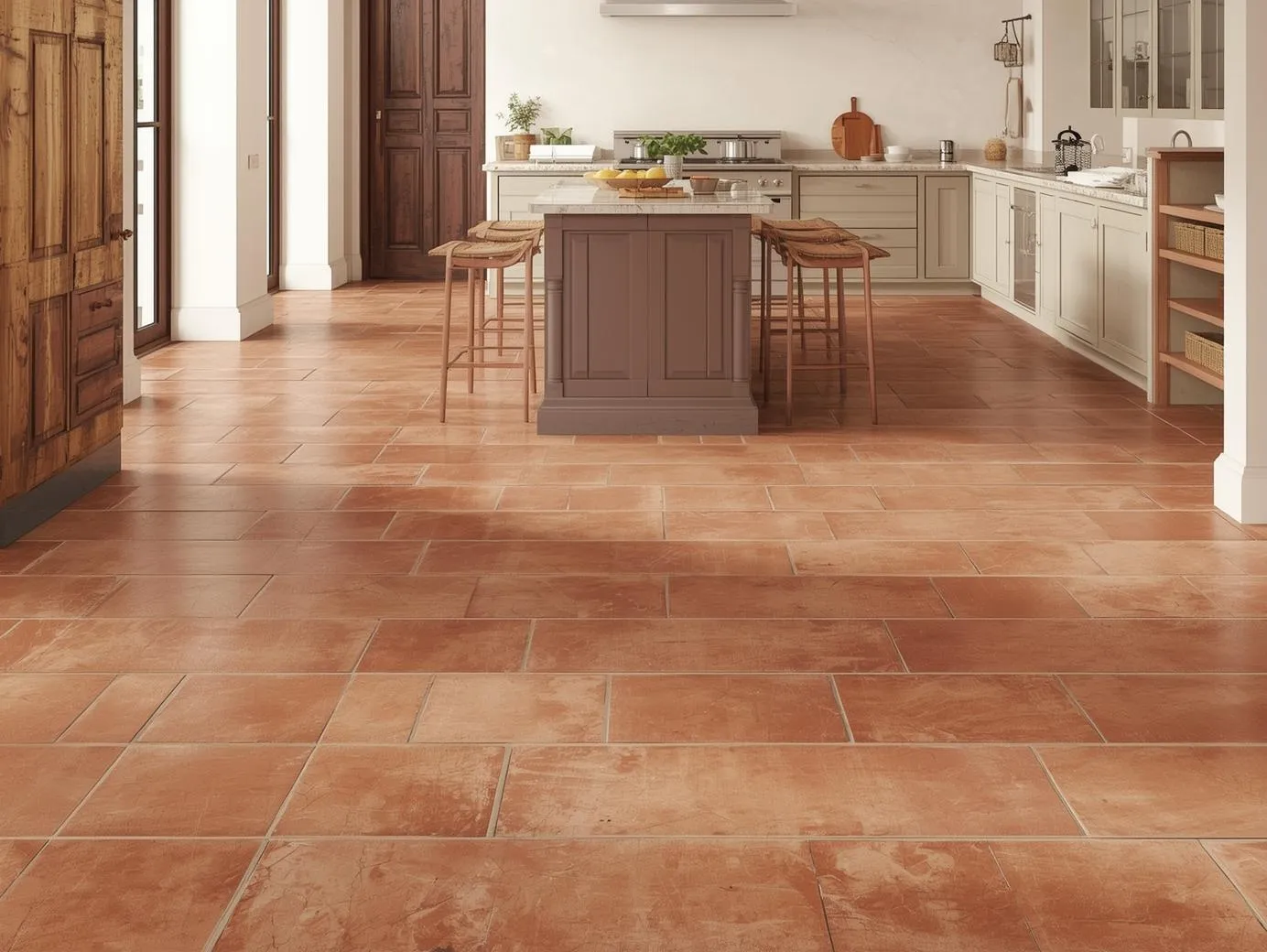
Rustic Terracotta Tile
Tumbled edges and natural shade variation deliver earthy warmth and lived-in character. Hides everyday dust well—great for farmhouse kitchens and wine-cellar vibes.
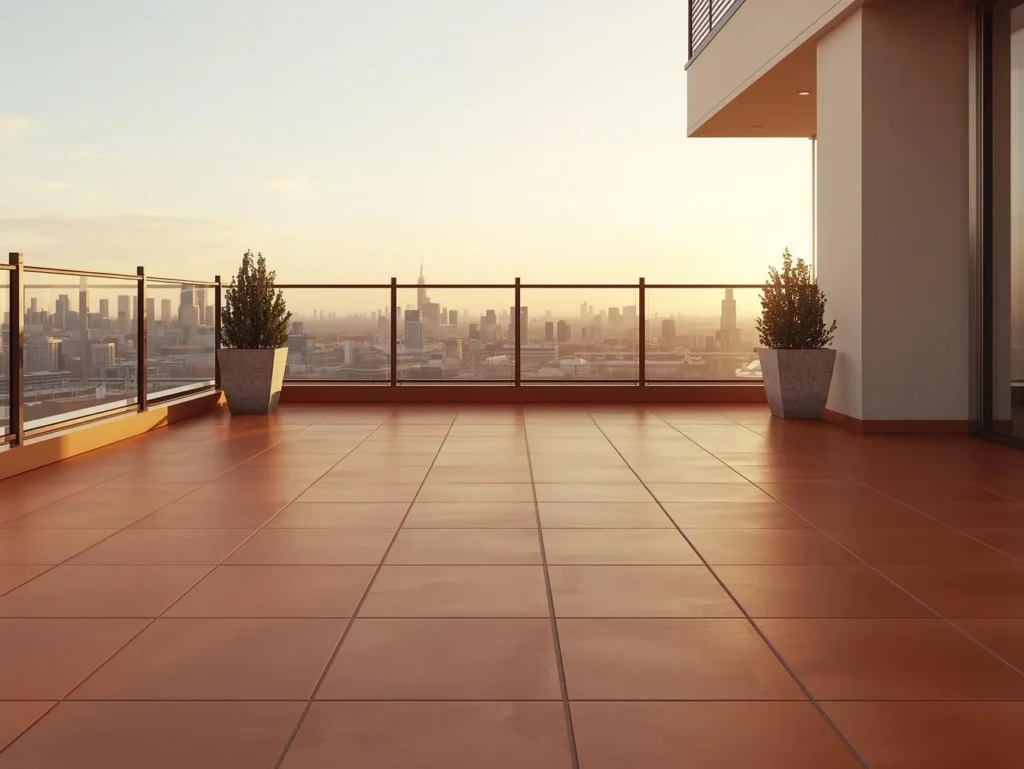
Smooth Terracotta Tile
A honed, even surface for a clean, modern aesthetic. Easy to maintain and comfortable underfoot—ideal for terraces and rooftops; anti-slip treatments available for wet areas.
Mulan Build Terracotta Tile Solution FAQs
Q: Do terracotta tiles need sealing?
A: Glazed terracotta generally does not need sealing (seal the grout only). Unglazed terracotta must be sealed: apply a penetrating sealer before grouting (works as grout-release), then finish with your preferred topcoat or leave matte with a breathable penetrating sealer only. Reseal periodically based on traffic; exterior or wet zones may need more frequent maintenance.
Q: Can terracotta be used in bathrooms or showers?
A: Yes—with the right specification. Use slip-resistant finishes on floors; glazed or sealed unglazed tiles are ideal for walls. Always install over a waterproof membrane with proper slope and use wet-area-rated mortars and grouts. Terracotta is not recommended for continuous immersion (e.g., pools, fountains).
Q: Is it suitable for freeze–thaw climates?
A: Choose a frost-resistant, low-absorption body (≤3–5% water absorption) and follow exterior best practices: full mortar coverage (≥95%), movement joints, positive drainage, breathable penetrating sealer, and avoidance of de-icing salts where possible. When specified this way, terracotta performs well in freeze–thaw conditions.
Q: How much color variation should I expect?
A: Unglazed, handmade terracotta has natural shade and tone variation (typically V3–V4); it will deepen and patina over time. Glazed tiles are more uniform (V1–V2). Blend from multiple boxes during installation, and approve a control range/sample board before production to set expectations.
Q: What grout joint and mortar should I use for handmade tiles?
A: Because of size/edge variation, use a wider joint—typically 3/16–3/8 in (5–10 mm)—with sanded grout. Set with a polymer-modified thinset/LHT mortar suitable for the substrate (A118.4/A118.15; exterior rated outdoors). Lightly dampen very porous tiles before setting, pre-seal unglazed tiles to prevent staining, and follow EJ171 for movement joints.
Contact Us
We’ll get back to you within 24 hours. For urgent project inquiries, contact us directly at +86 133 2676 9070. You can also upload your project drawing files