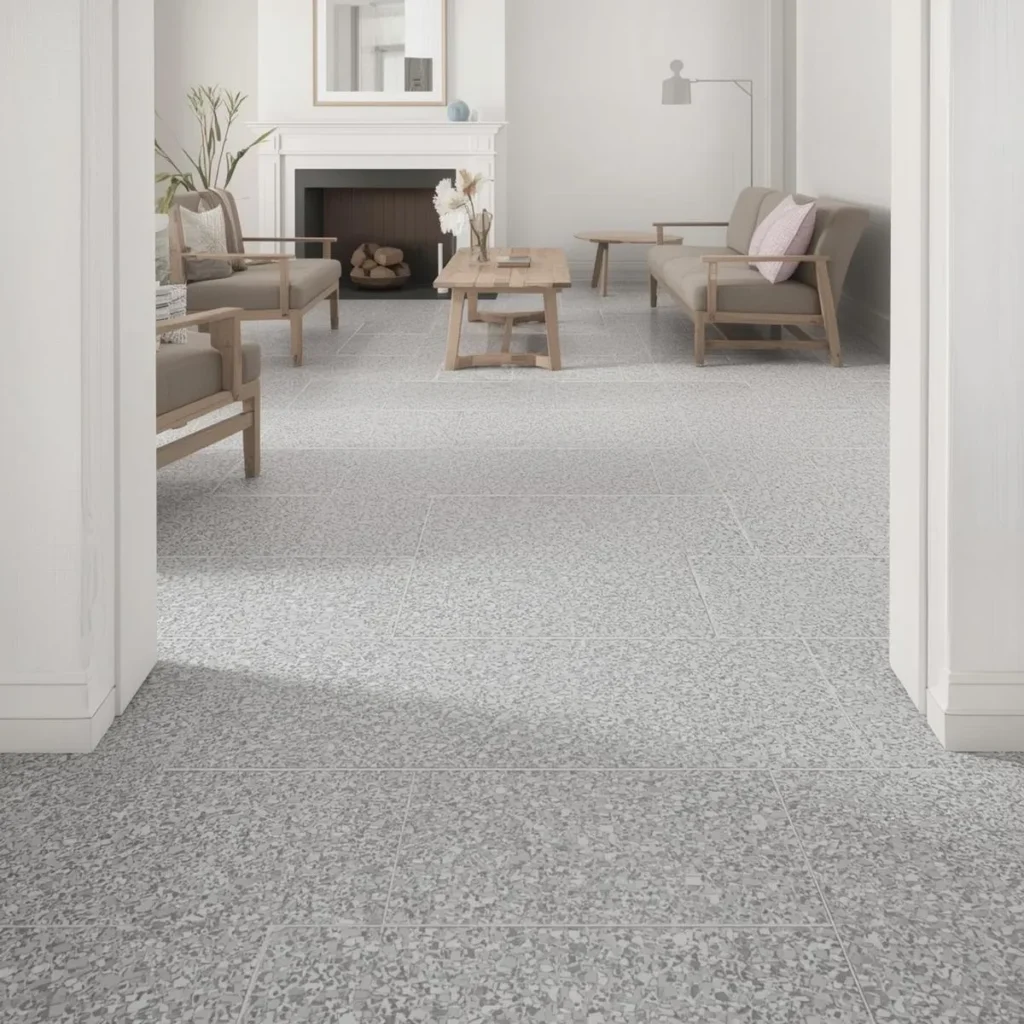
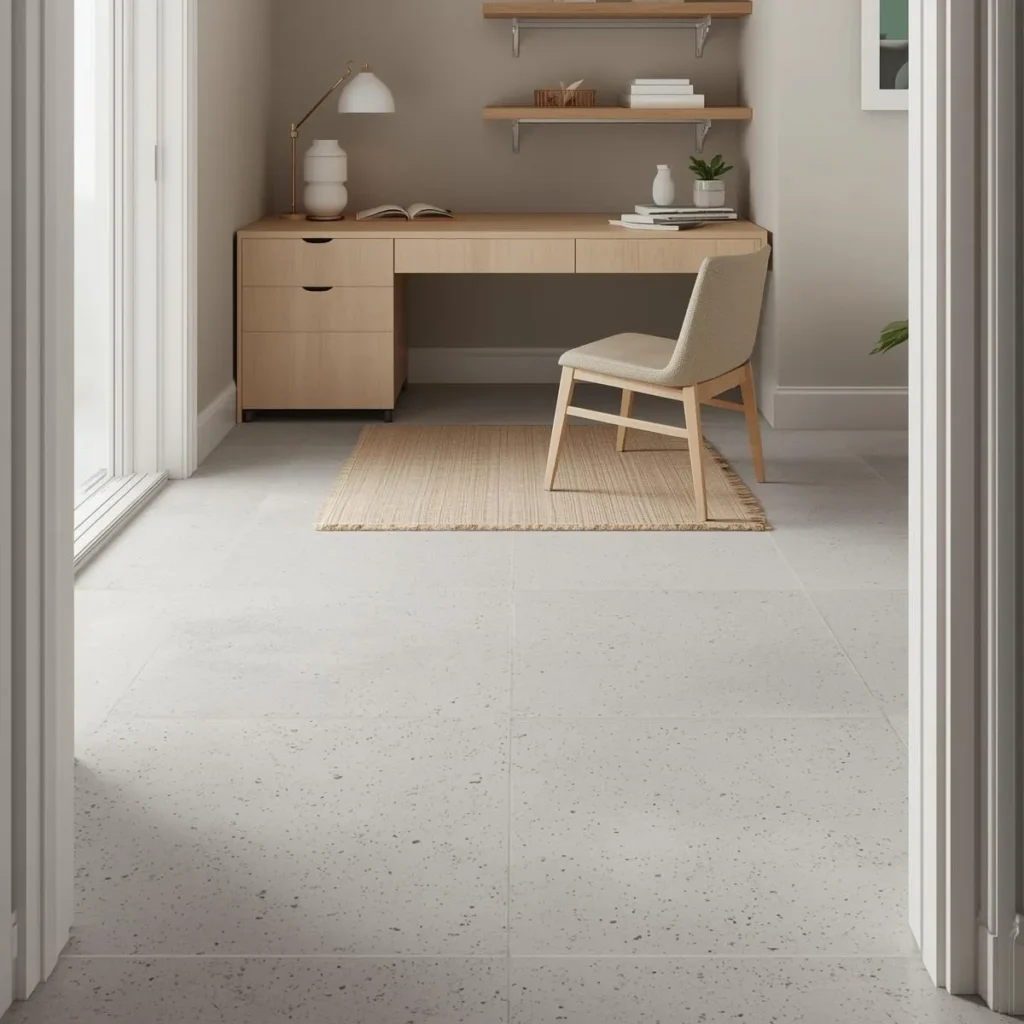
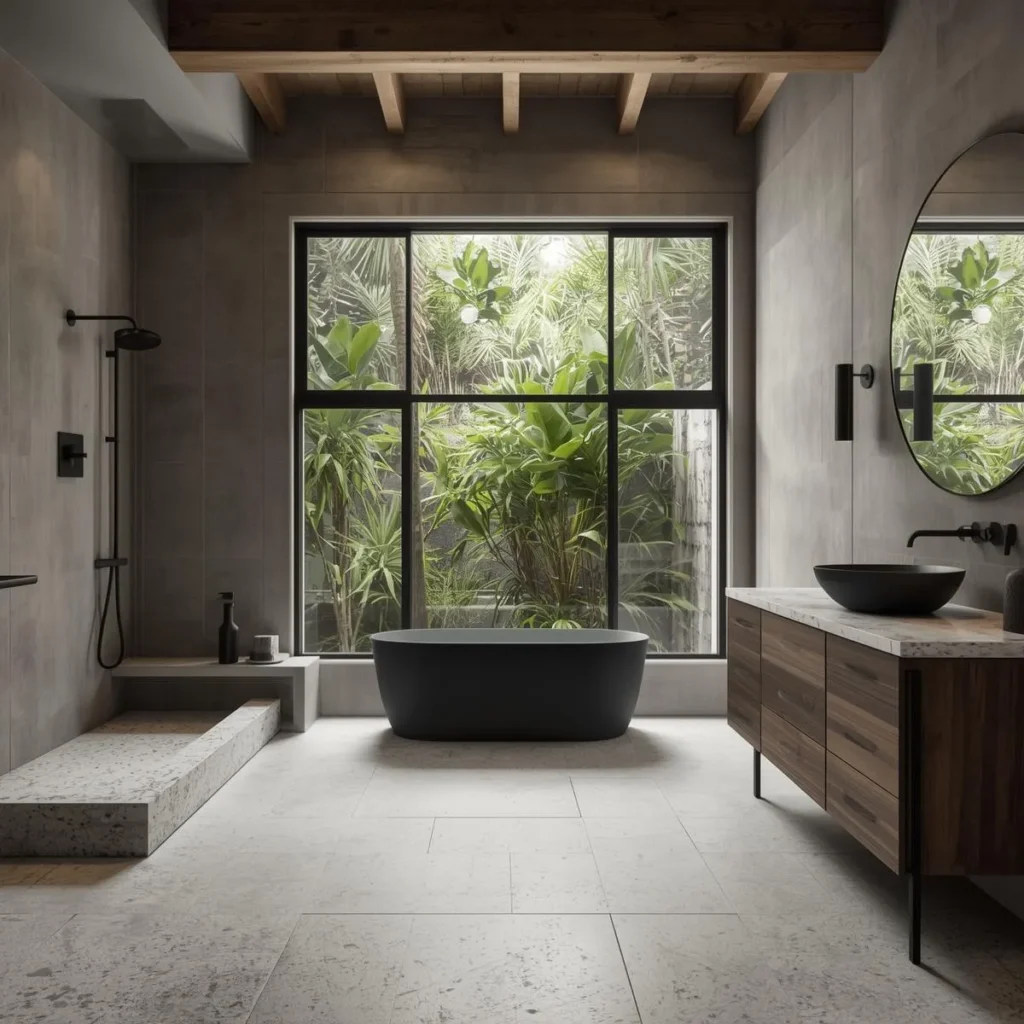
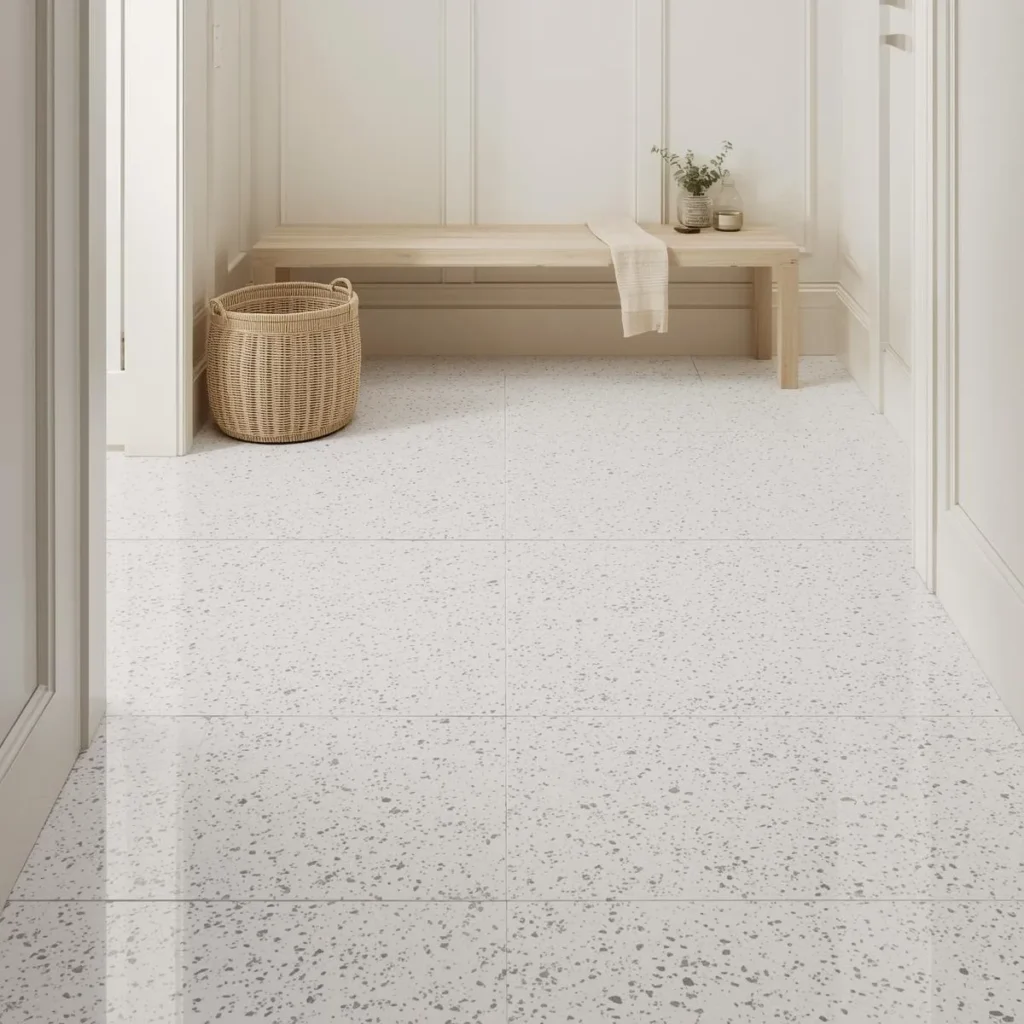
Terrazzo Tiles For Contemporary Floors And Walls
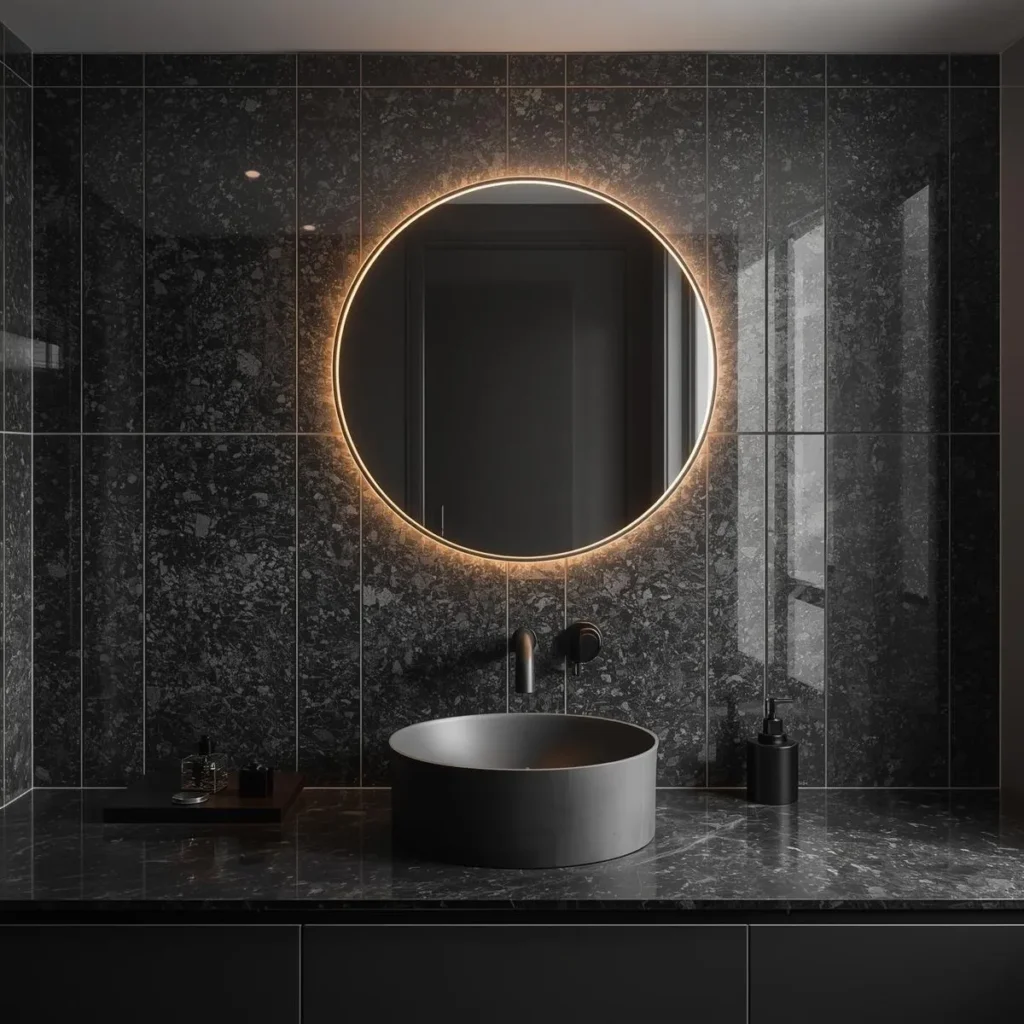
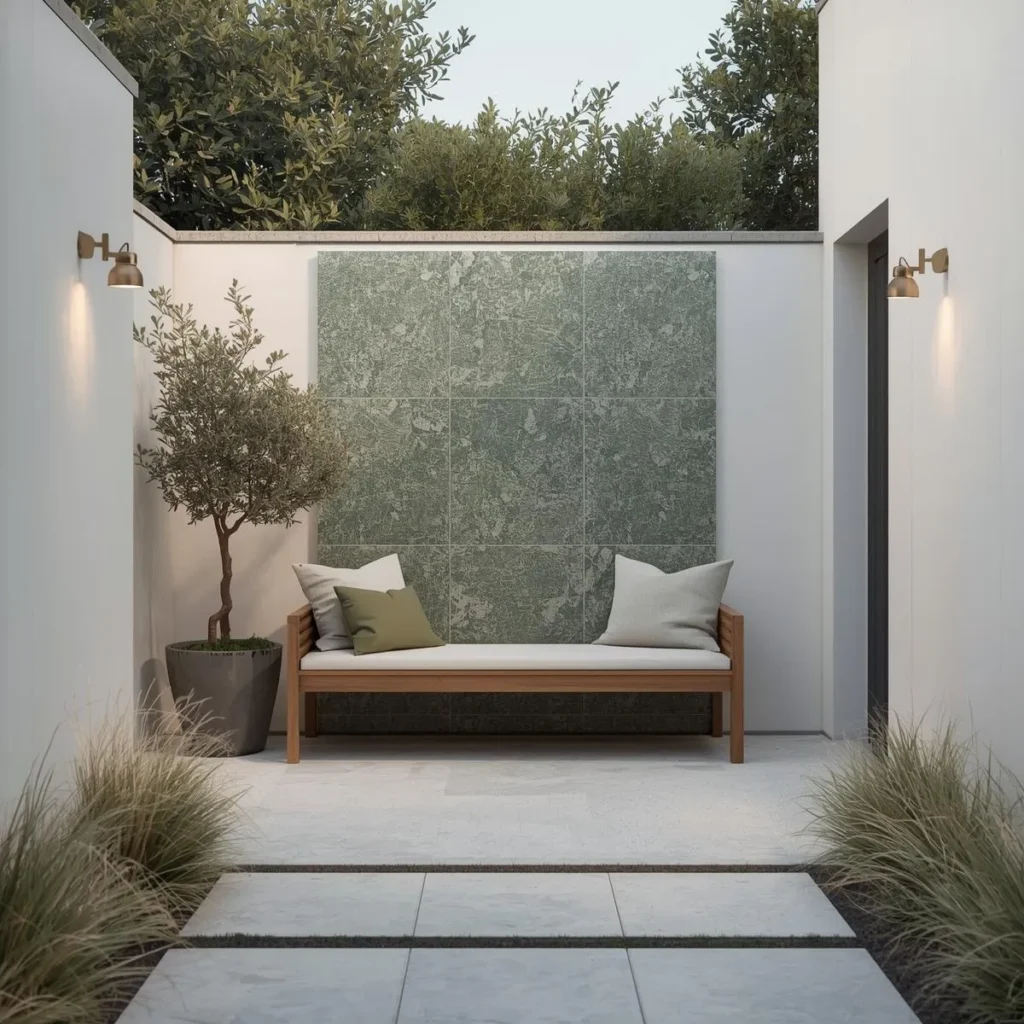
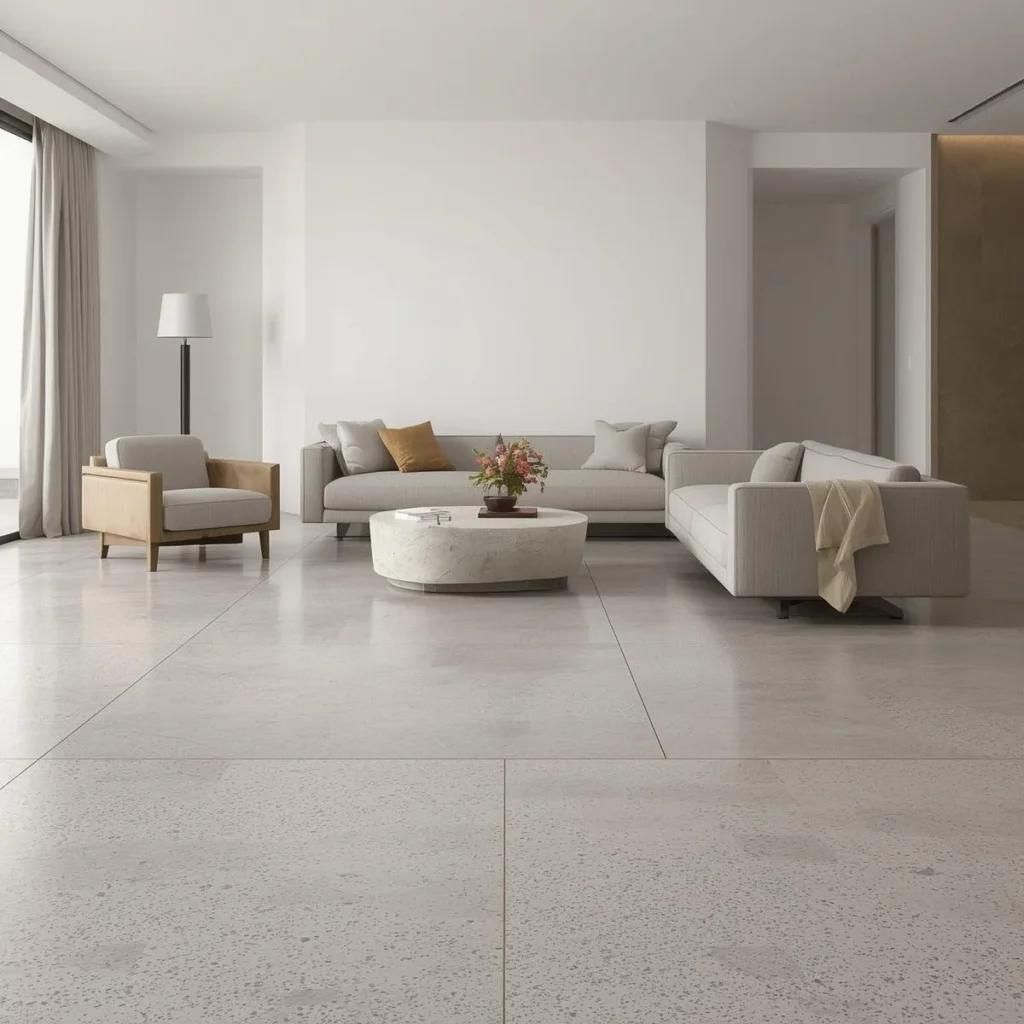
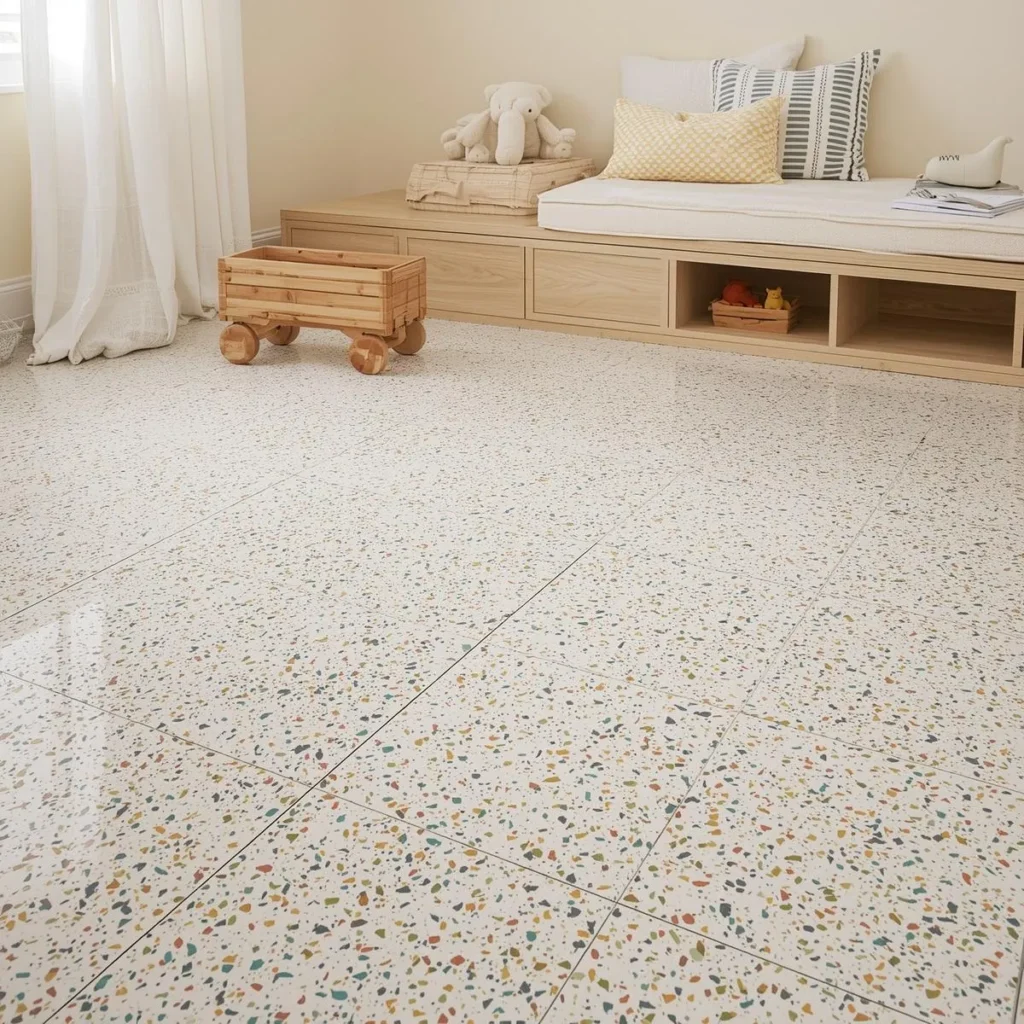
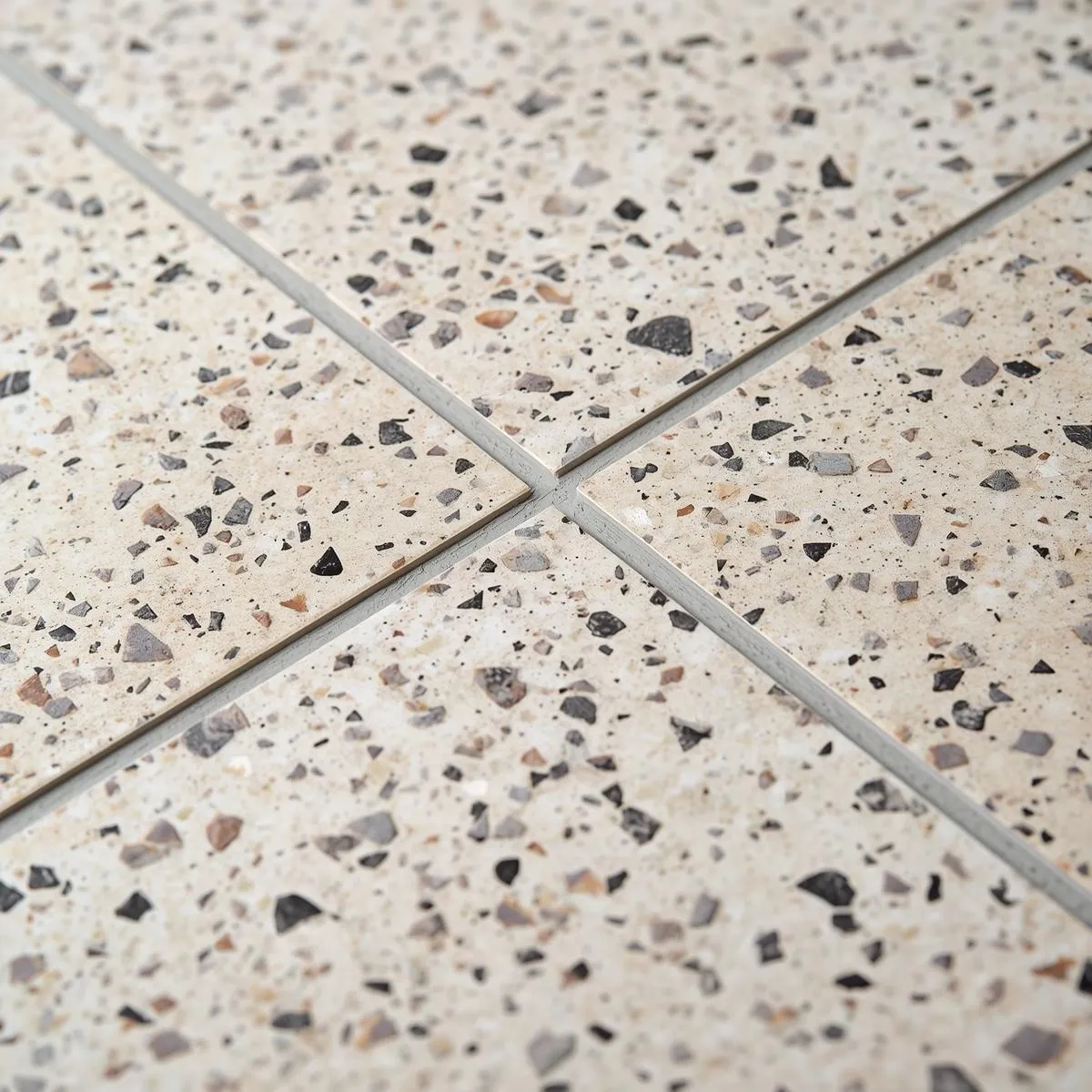
Speckled tiles in different chip sizes and colors, ideal for lobbies, bathrooms, cafés and retail spaces in your project.
About Terrazzo Tile
What is Terrazzo?
A composite surface made from marble/glass/stone chips bound in a cement or epoxy matrix, then ground and polished to reveal a speckled finish. Tiles can be factory-made or poured in place. Cement terrazzo offers a natural look and UV stability; epoxy terrazzo delivers vivid color and low porosity for interiors.
Where can it be used?
Floors and walls in kitchens, bathrooms, living rooms, corridors, hotels, retail and offices; stair treads and skirtings; countertops and reception desks. For outdoors—patios, verandas, pool surrounds—choose cement-based or textured terrazzo for slip resistance and weather durability.
Terrazzo Aggregate Types
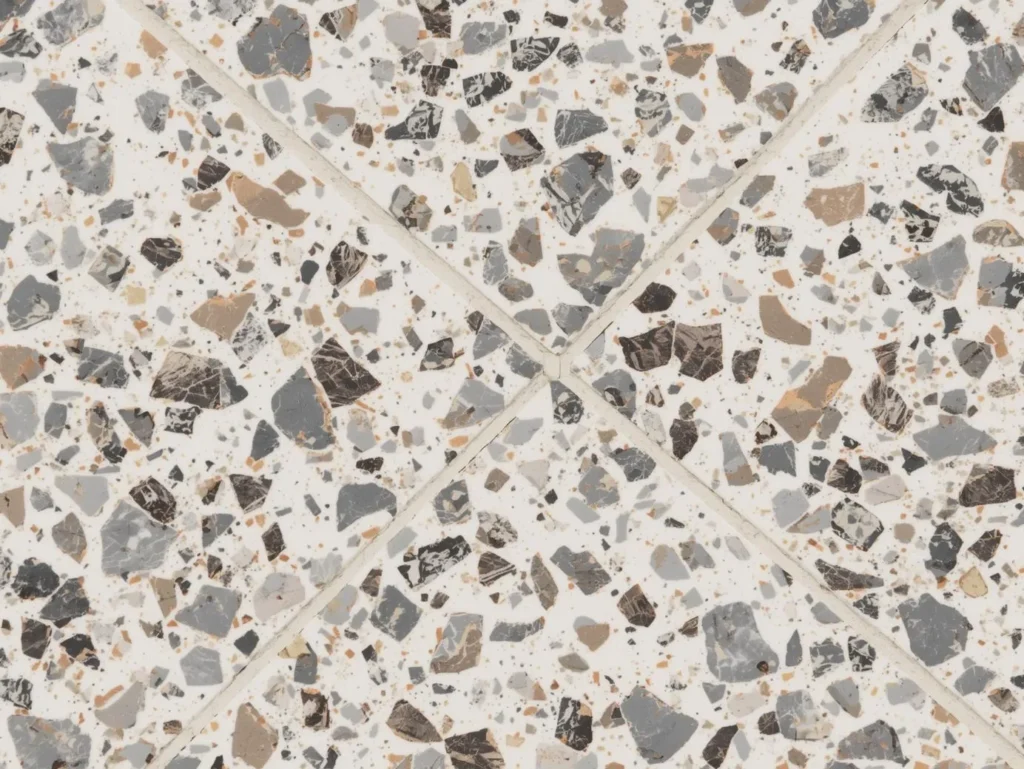
Marble Aggregate Terrazzo
Look: Classic, warm veining with a naturally variegated speckle. Chip sizes from fine “salt & pepper” to bold, chunky.
Performance: Durable and time-tested; works well with cement or epoxy binders. Easy to hone or polish from matte to high gloss.
Best use: High-traffic floors, corridors, kitchens, hotels, retail—timeless aesthetics that age gracefully.
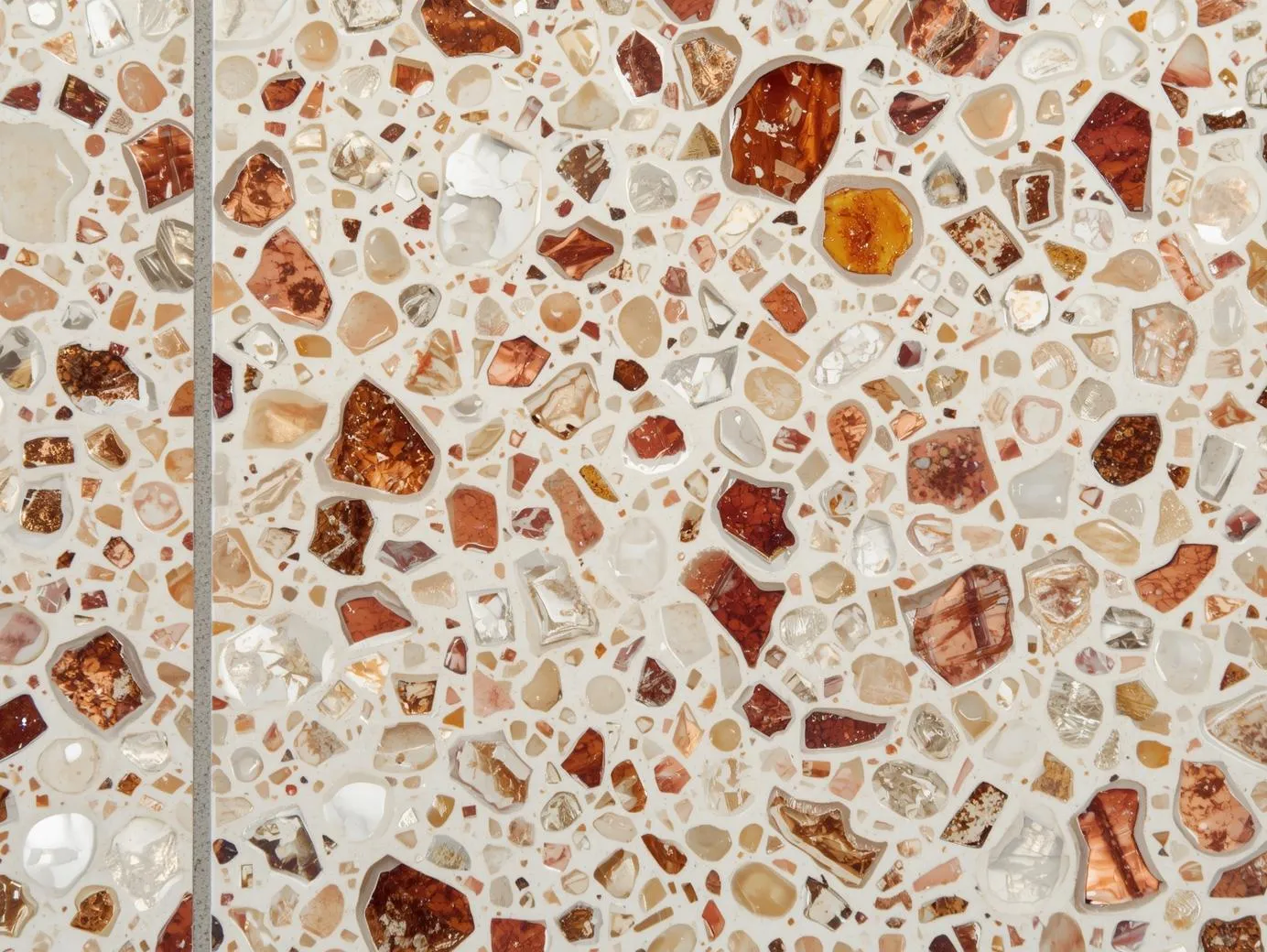
Glass Aggregate Terrazzo
Look: Vivid color and translucent depth; can sparkle under light or even be backlit for dramatic effects.
Sustainability: Often made with post-consumer recycled glass—great for LEED/green goals.
Performance: Best with epoxy binders for low porosity and a smooth polish; ideal for interiors.
Best use: Feature floors, lobbies, bars, branded spaces where color impact matters.
Mirror Aggregate Terrazzo
Look: High reflectivity and “starry” sparkle that bounces light—adds luxury and visual expansion to rooms.
Performance: Typically set in epoxy for a crisp, glassy finish; chips are tumbled to soften edges for safer grinding.
Best use: Statement zones—reception counters, boutique showrooms, hospitality bars, residential feature floors/walls.
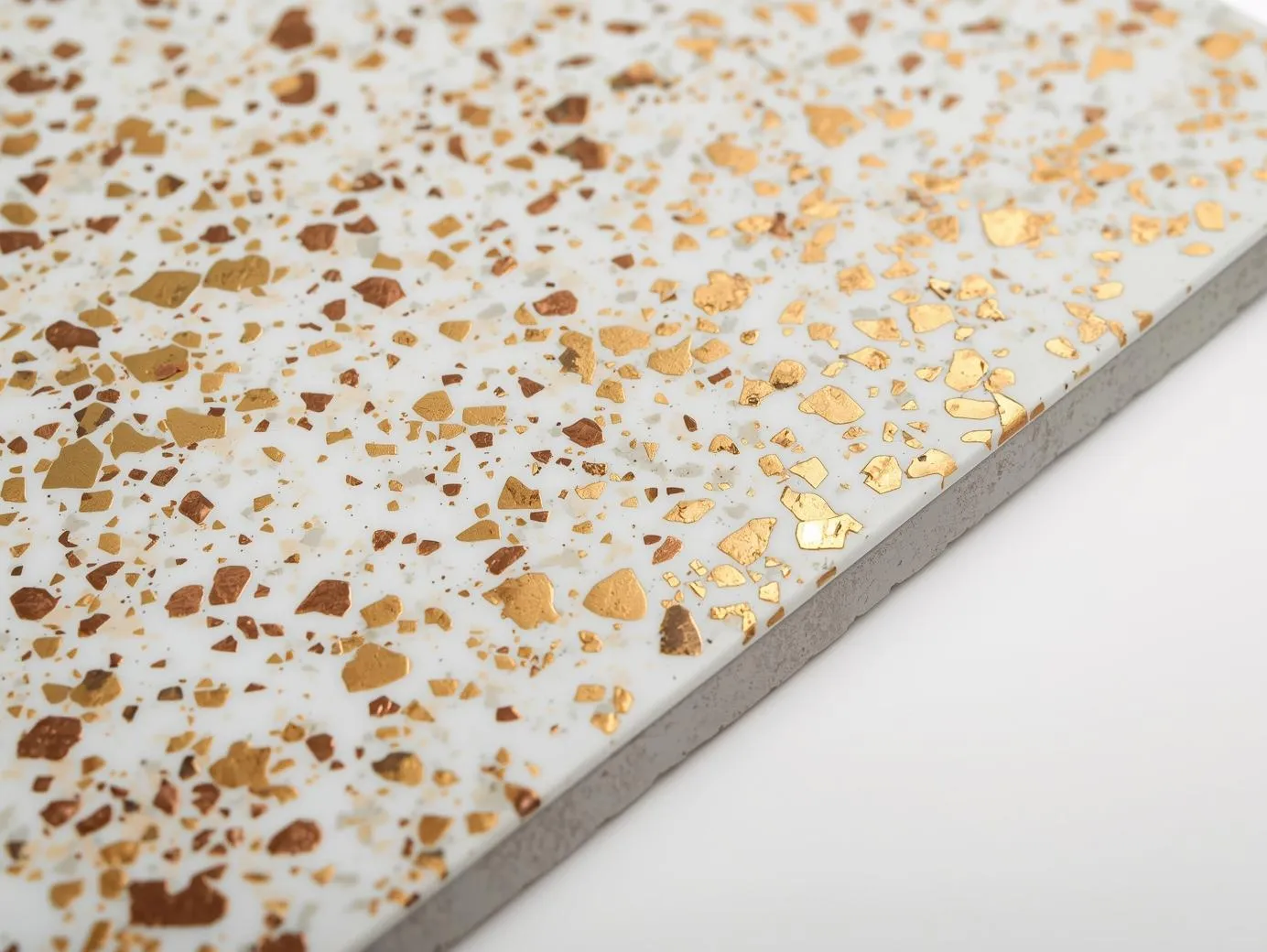
Metal Aggregate Terrazzo
Look: Modern, architectural accents—from warm brass/copper (patina over time) to cool stainless/aluminum.
Performance: Very wear-resistant; requires good sealing to manage patina and prevent staining (especially copper/brass).
Best use: Logo inlays, borders, wayfinding, industrial-chic interiors. Great for commercial lobbies and premium retail.
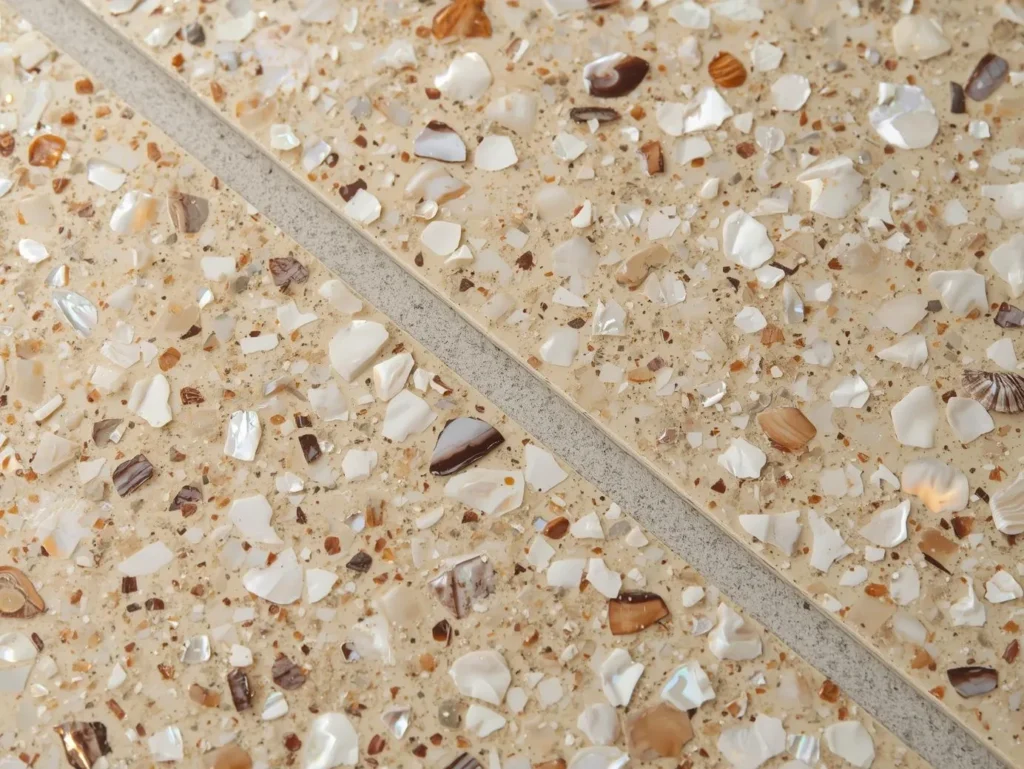
Shell Aggregate Terrazzo
Look: Iridescent shimmer with coastal elegance; subtle color play that changes with light.
Performance: Softer than stone or metal—best in epoxy; needs careful grinding and quality sealing. Avoid heavy freeze-thaw or harsh chemicals.
Best use: Feature floors with moderate traffic, bathroom walls, vanities, reception desks, decorative panels.
Mulan Build Terrazzo Tile Solution FAQs
Q: What’s the difference between cement-based and epoxy-based terrazzo tiles?
A: Cement terrazzo is UV-stable, breathable, ideal for outdoors/heavy traffic, and usually thicker (≈15–20 mm). Epoxy (resin) terrazzo has vivid color, very low porosity, excellent stain resistance, is lighter/thinner (≈8–12 mm), and best for indoor use because most resins can yellow under UV.
Q: Are terrazzo tiles suitable for kitchens or food-service areas?
A: Yes—when properly sealed and maintained. Apply a high-quality penetrating sealer (two initial coats), re-seal periodically, and clean with pH-neutral products. Choose honed or micro-textured finishes where extra slip resistance is needed.
Q: Can terrazzo tiles be used outdoors?
A: Yes—select cement-based, frost-resistant tiles with a non-slip finish (e.g., R11/R12). Avoid epoxy outdoors. Provide proper waterproofing, drainage, and movement joints matched to the climate.
Q: Are terrazzo tiles compatible with underfloor heating?
A: Yes. Use a flexible polymer-modified thin-set, honor movement joints, and commission the system gradually after curing. Keep surface temperature ≤ 27 °C (80 °F) for long-term stability.
A: Orders ship from the same production lot with cartons labeled by batch number. Because aggregates are natural, slight variation is normal—approve a control sample/mock-up and order 5–10% overage for cuts and future repairs.
A: Because of size/edge variation, use a wider joint—typically 3/16–3/8 in (5–10 mm)—with sanded grout. Set with a polymer-modified thinset/LHT mortar suitable for the substrate (A118.4/A118.15; exterior rated outdoors). Lightly dampen very porous tiles before setting, pre-seal unglazed tiles to prevent staining, and follow EJ171 for movement joints.
Contact Us
We’ll get back to you within 24 hours. For urgent project inquiries, contact us directly at +86 150 1310 1240. You can also upload your project drawing files