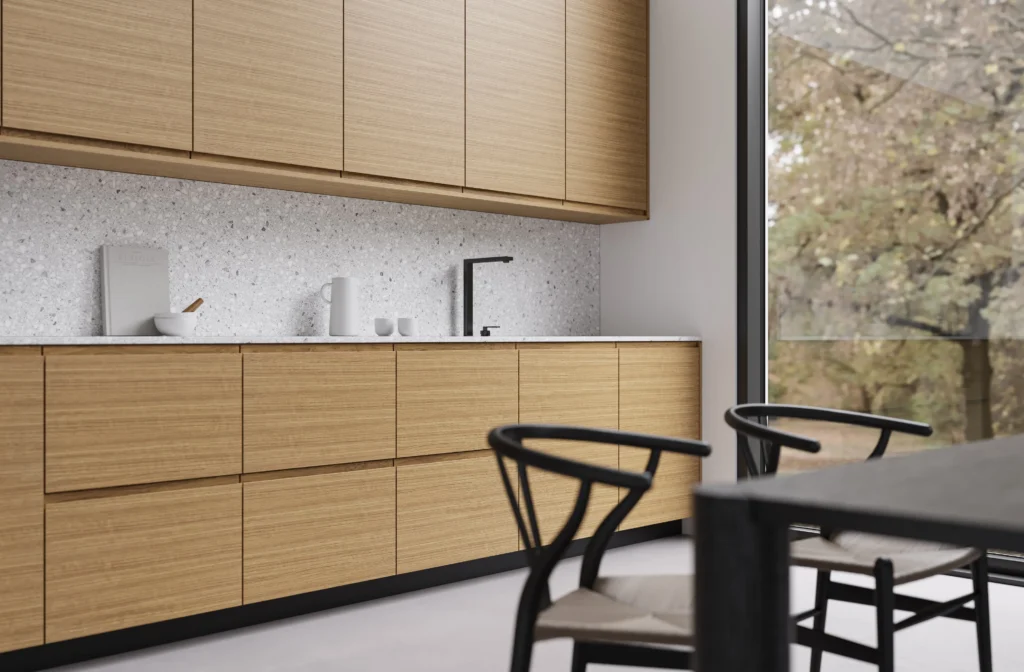
Every kitchen has hidden details that make it more functional than you think. The toe kick—the small recessed space at the bottom of base cabinets—is one of them.
Based in Foshan, we specialize in complete home and project material solutions for international clients. Our products include kitchen cabinets, wardrobes, bathrooms, doors, tiles, lighting, flooring, and wall panels. We work with homeowners, designers, developers, and contractors to offer one-stop building materials, full-house design matching, 3D visualization, global shipping, and after-sales support.
A toe kick on cabinets is the recessed space between the bottom of a base cabinet and the floor. It allows your feet to fit comfortably under the cabinet while you work at the counter. This small gap improves comfort, function, and design flow in the kitchen.
Without this feature, standing close to the counter for long periods could strain your back and legs. Let’s break down why this overlooked design detail matters and how it affects comfort, installation, and design aesthetics.
What does a toe kick do in kitchen cabinets?
A toe kick makes kitchen workstations more ergonomic and comfortable. It gives space for your toes, allowing you to stand closer to the counter without leaning forward.
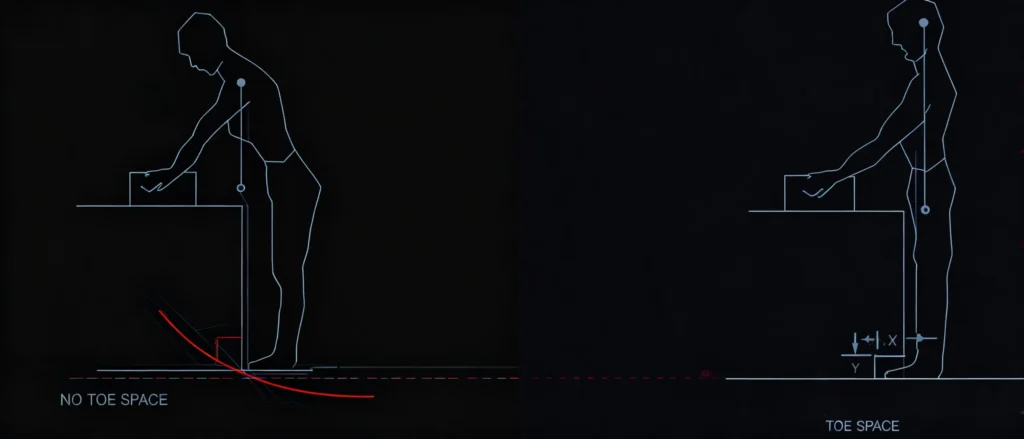
The toe kick is essential because it supports proper posture. When your toes fit under the cabinet base, your body can stand upright while cooking, cleaning, or washing dishes. Without it, you must lean forward, which strains your back and shoulders over time.
Ergonomic Benefits Table
| Feature | With Toe Kick | Without Toe Kick |
| Standing posture | Upright and relaxed | Leaning forward |
| Comfort | Higher | Lower |
| Fatigue after long use | Minimal | Noticeable |
| Accessibility | Improved | Reduced |
The toe kick also prevents cabinet fronts from getting scuffed by shoes. It is both a practical and aesthetic part of cabinet design, merging comfort and longevity.
How tall and deep should a cabinet toe kick be?
The ideal height for a cabinet toe kick is 3 to 4 inches, and the depth is usually around 3 inches. These measurements have been tested for comfort and function.
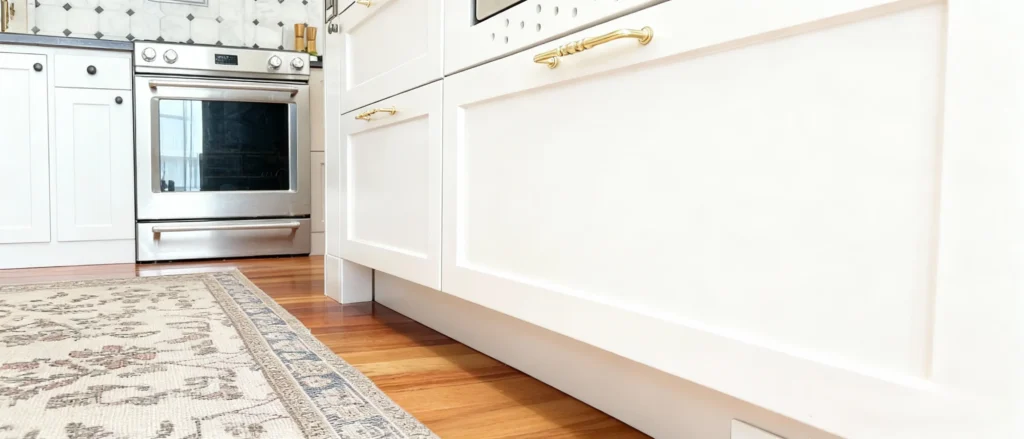
The height gives enough space for your foot to fit naturally, while the depth keeps the cabinet stable without extending too far. These standards have been used in cabinetmaking for decades because they fit most users’ body proportions. According to ergonomics research, proper standing height reduces muscle tension and promotes better body balance.
Toe kick dimensions can vary based on flooring thickness or cabinet style. For example, frameless European-style cabinets may use slimmer toe kicks to achieve a seamless, modern look.
Is a toe kick necessary for all base cabinets?
Not every cabinet needs a toe kick, but most kitchens benefit from it. The decision depends on function, design, and user comfort.
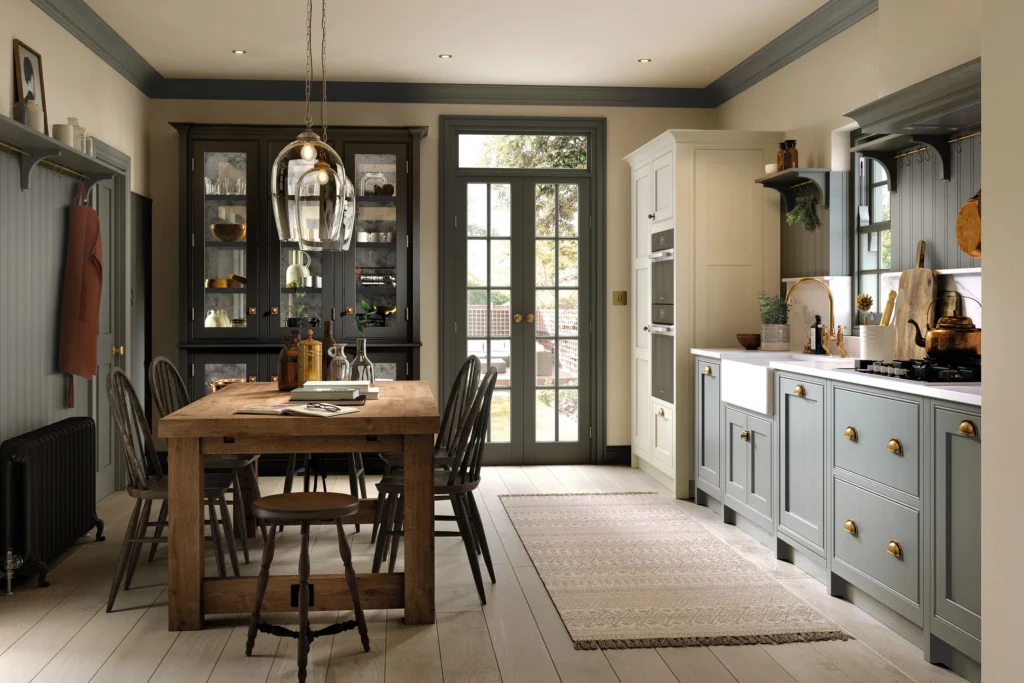
In kitchens, where users stand for long periods, toe kicks are almost always included. In furniture-style cabinetry, such as islands or freestanding cabinets, the base may use decorative feet instead. Bathrooms or display cabinets may skip toe kicks when less standing time is expected.
Toe kicks remain standard in functional spaces because they balance beauty and practicality. Even modern floating cabinets still include a similar recessed clearance, either visually or structurally.
What materials are used for toe kick panels?
Toe kick panels are usually made of the same material as the cabinet base—MDF, plywood, or melamine. Some premium designs use metal or moisture-resistant laminates.
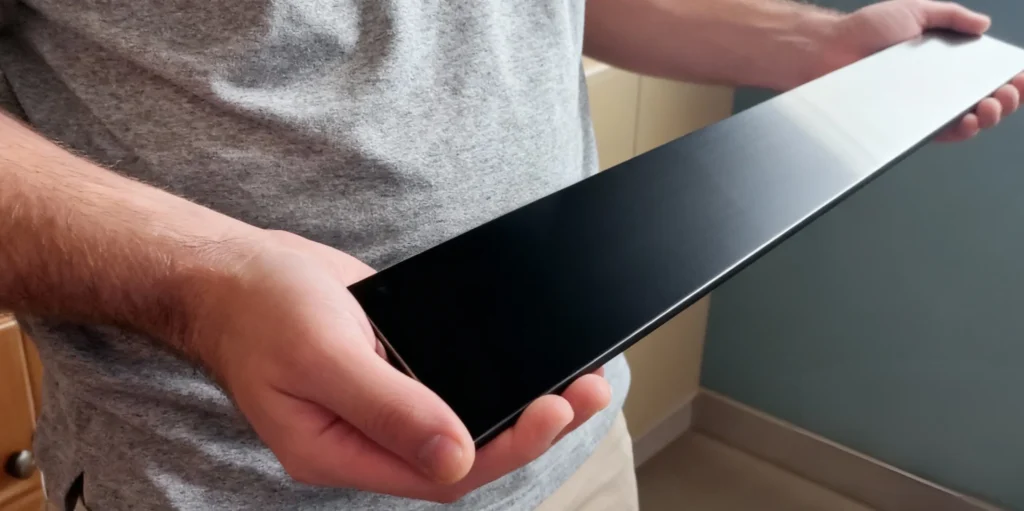
Most toe kicks are built as separate panels, which makes them easier to replace if damaged. These panels can be painted, laminated, or wrapped in vinyl to match the rest of the cabinetry.
In humid environments, moisture-resistant materials such as PVC or stainless steel are recommended. This prevents swelling or corrosion. Understanding the properties of wood and other materials helps ensure durability and style.
Color-matched panels give a unified look, while contrasting finishes create visual depth.
How is a toe kick installed on cabinets?
The toe kick is usually installed after the base cabinets are leveled and secured. This sequence allows installers to adjust for uneven flooring.
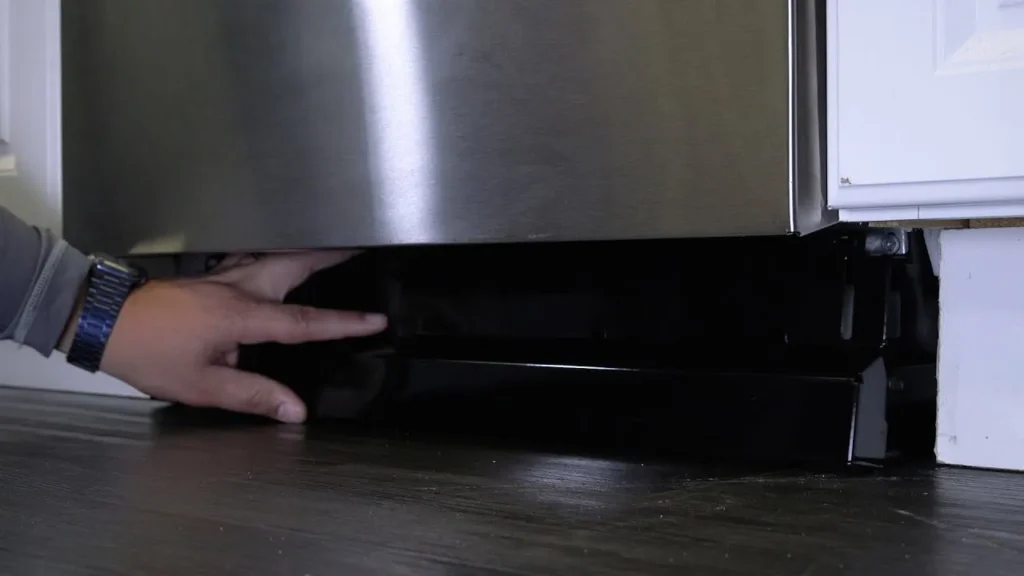
Toe kick boards are nailed or clipped to the base cabinet’s support legs or bottom frame. This setup hides mechanical parts, plumbing, or electrical runs while ensuring the cabinets sit flush.
In some designs, the toe kick is removable for easy access to wiring or under-cabinet lighting systems. Installers use adhesives or clips depending on whether the toe kick should be permanent or replaceable.
Installation precision affects both visual quality and usability. Gaps or uneven placement can make the kitchen look unfinished.
Can you replace or repair a damaged toe kick?
Yes. Toe kicks are designed as separate pieces for easier repair and replacement.
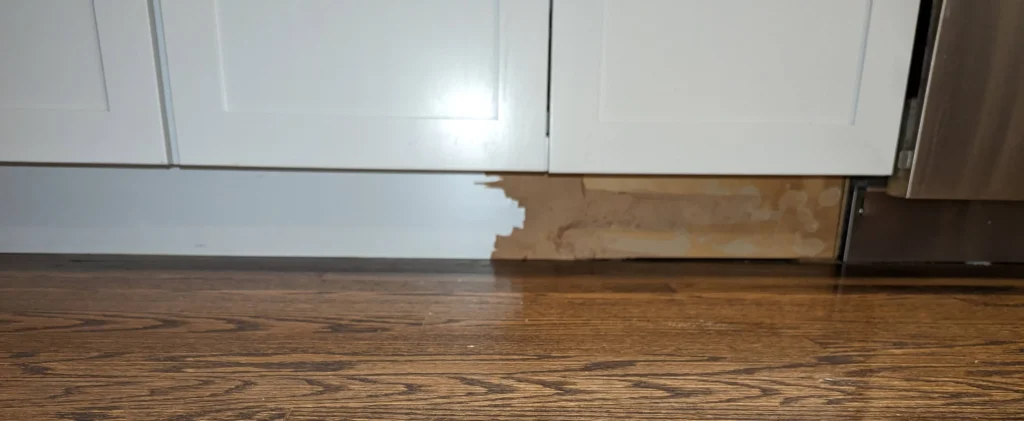
If a panel gets scratched, dented, or water-damaged, it can be detached without removing the entire cabinet. Replacement involves removing the trim, cutting a new panel to fit, and reattaching it using clips or finishing nails.
This design flexibility saves cost and time during renovations. Homeowners can even upgrade the toe kick’s look by changing color or material without affecting the cabinet body.
What are the different types of cabinet toe kicks?
There are three main types of toe kicks: recessed, flush, and decorative.
Toe Kick Types Overview
| Type | Description | Common Use |
| Recessed | Standard inward step | Most kitchens |
| Flush | Aligned with cabinet front | Modern styles |
| Decorative | Sculpted or furniture-style base | Luxury designs |
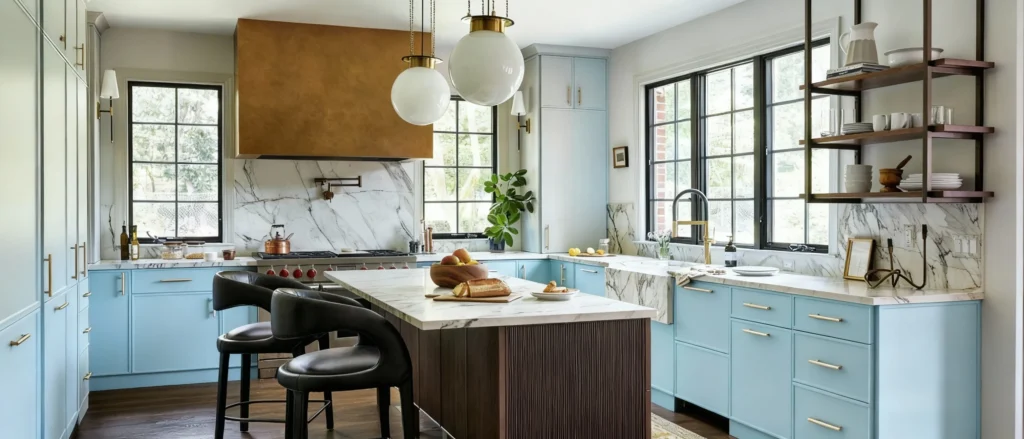
Recessed toe kicks are the most common, offering practical space for comfort. Flush designs provide a sleek, built-in look used in minimalist homes. Decorative versions add furniture-style legs or moldings, ideal for traditional or transitional kitchens.
Each type changes the kitchen’s visual balance and functionality.
How does a toe kick improve kitchen ergonomics?
Toe kicks improve comfort and reduce strain by allowing the body to stand closer to the work surface.
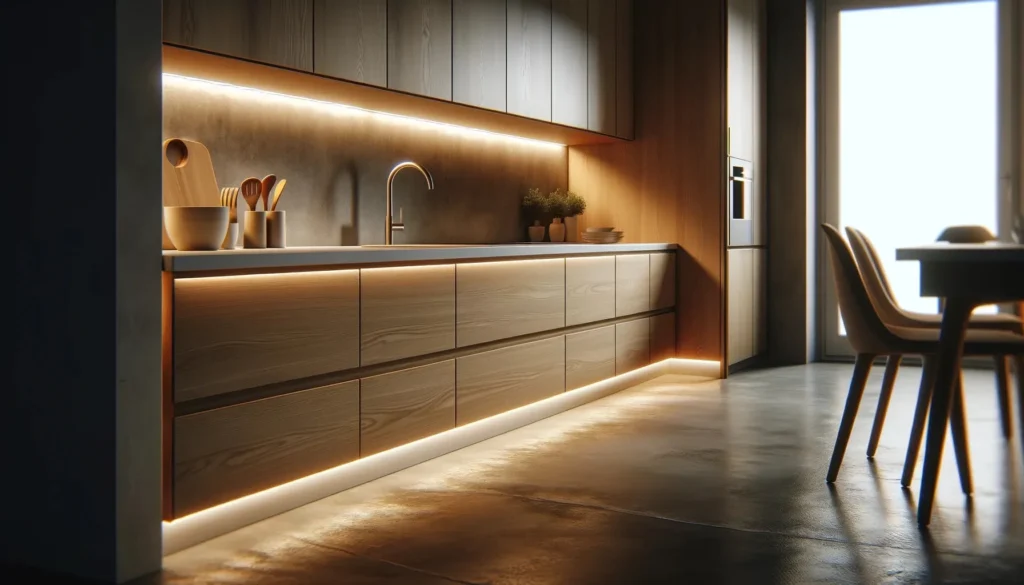
Standing closer reduces the need to lean, which decreases back tension. Over time, this makes cooking and cleaning easier, especially for older users.
Ergonomic design also supports accessibility. People using mobility aids or wheelchairs benefit from properly sized toe spaces. These details make kitchens inclusive for all users, following universal design principles.
In short, toe kicks turn standard cabinets into user-friendly structures.
Can toe kicks be customized for modern designs?
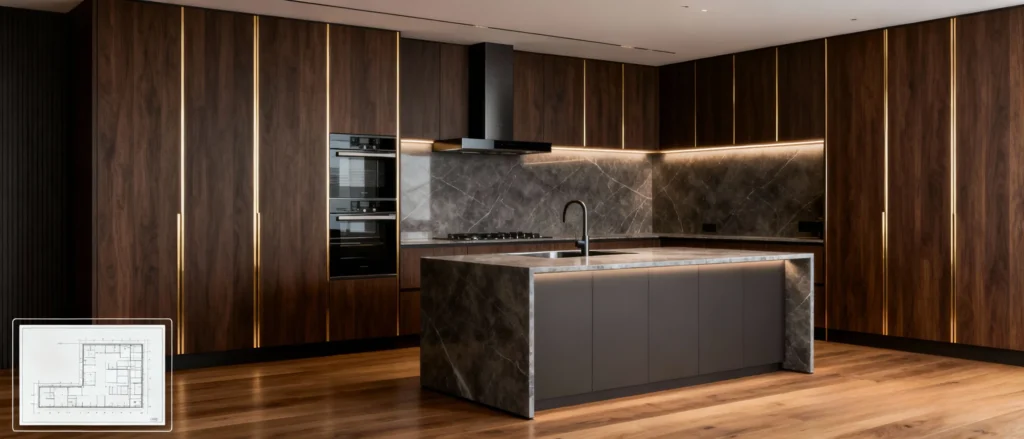
Yes. Designers now use toe kicks as aesthetic elements. They can include LED lighting, metal trim, or shadow gaps to create depth and luxury.
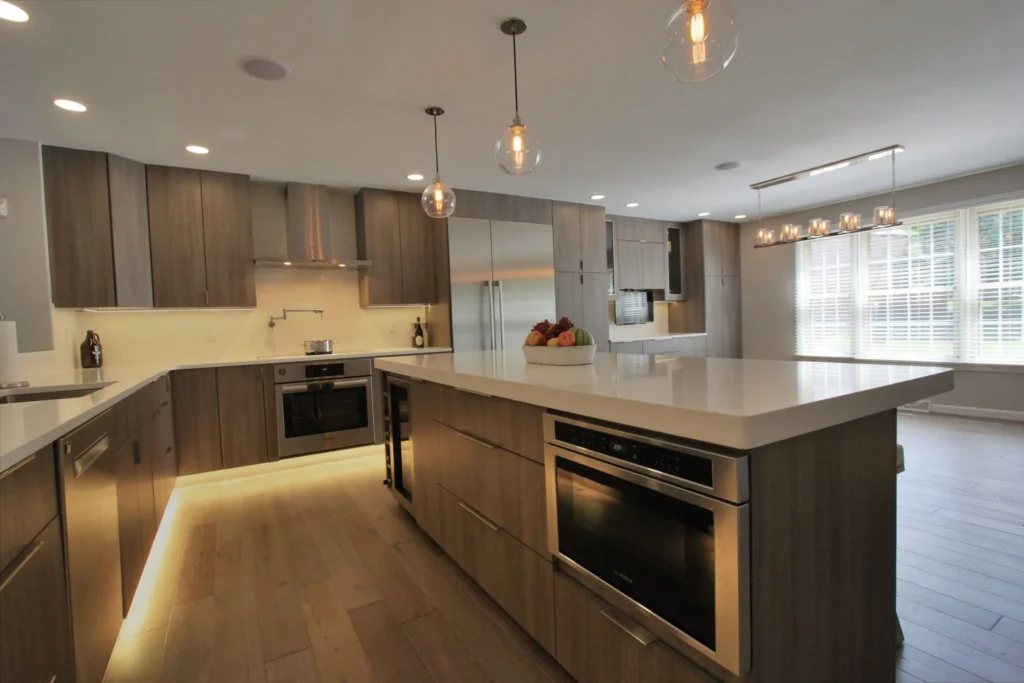
Custom toe kicks highlight the transition between floor and cabinet. LED strips add ambient light, improving visibility in low-light kitchens. Some homeowners use contrasting colors or reflective finishes for a floating effect.
Modern cabinetry often hides the toe kick entirely, creating a monolithic, furniture-style base. Whether visible or hidden, toe kicks continue to evolve with design trends.
Conclusion
A toe kick may be small, but it defines how functional and comfortable a kitchen feels.
Final CTA
When planning your kitchen layout, don’t overlook the details that improve daily comfort. From design to installation, thoughtful cabinet choices make every project smoother.
Send us your floor plan, and we’ll help design a space that fits perfectly.
Want to get started? Just share your floor plan with us.