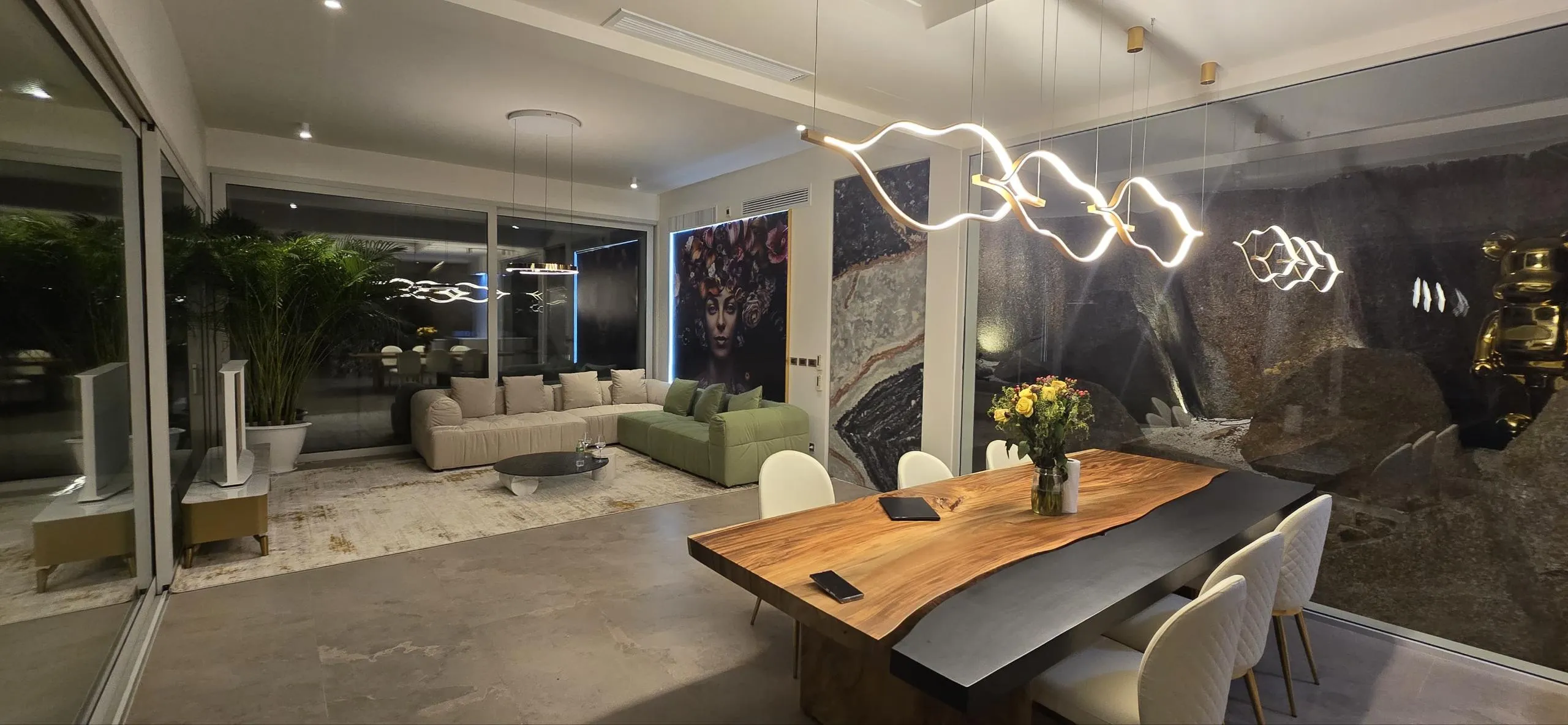
When you plan a full house or a project, many suppliers, unclear drawings, and mixed advice can slow every step and make you worry about hidden problems.
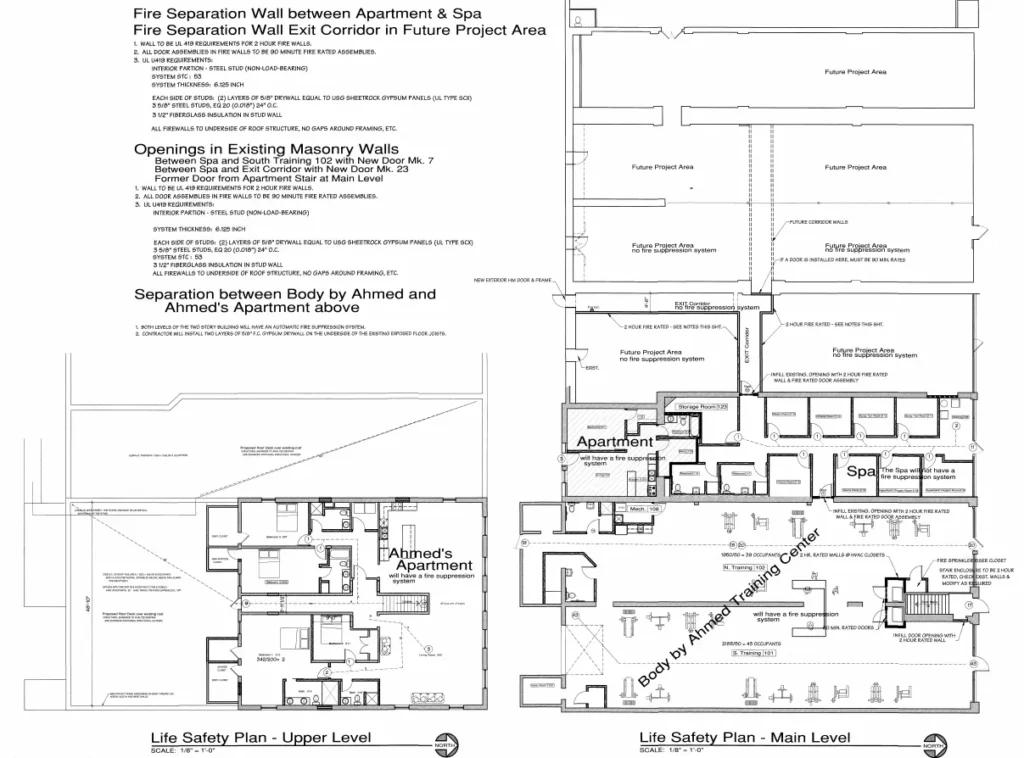
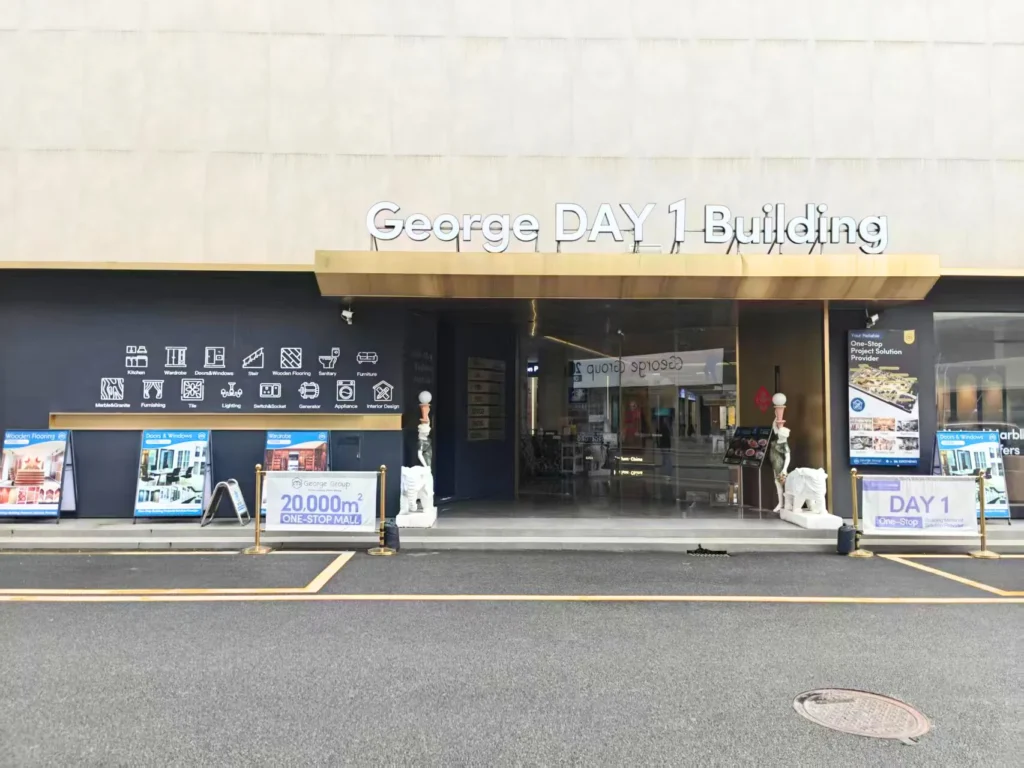
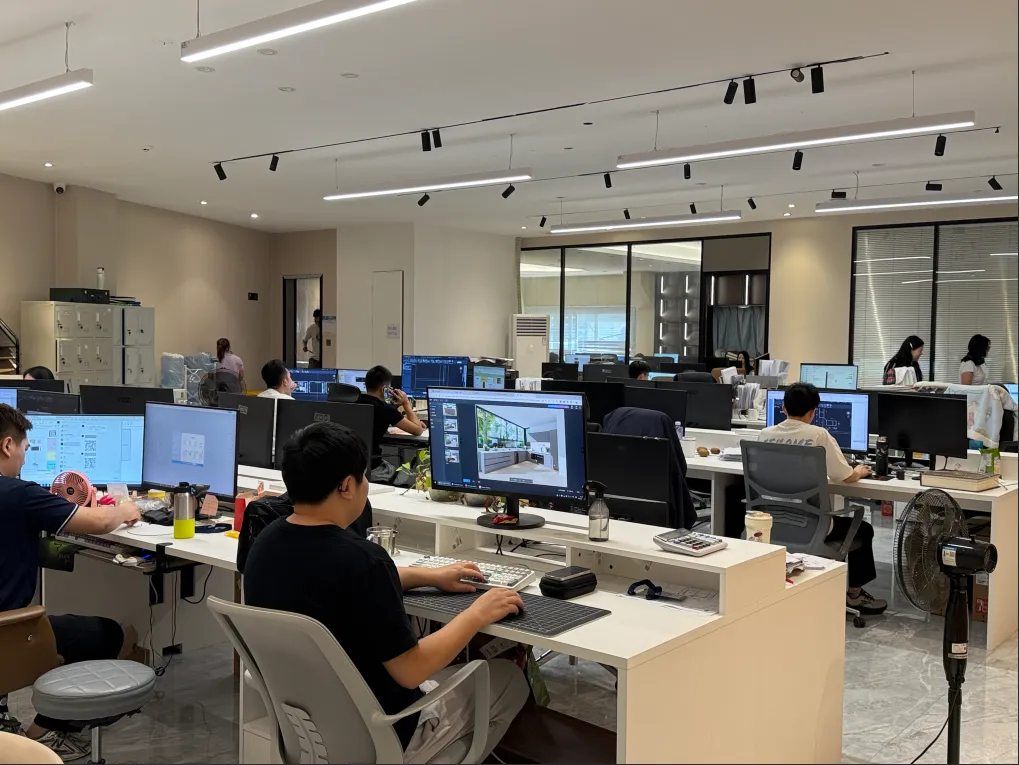
We are a one-stop building materials supplier based in Foshan, working with overseas homeowners, renovation companies, designers, developers, and contractors. You share your floor plan. We turn it into 2D drawings, 3D layouts, and 3D renders, match the style across the whole house, arrange production with our partner factories, and keep a project manager to follow up after delivery if anything needs to be fixed.
A one-stop building materials supplier brings design, product choice, and multi-category production into one service flow. You see all main categories under one roof, choose combinations that fit your taste and budget, and then receive a clear plan from design to shipment and after-sales.
In this article, we will walk through our story, what makes our model different, how our service flow works step by step, and how our 30,000 m² of showrooms help you “see” our strength and understand what you are really buying.
Our Story and What We Stand For
Many buyers only see the surface of a showroom. They do not see how many drawings, changes, and checks sit behind each display. We want to open that part up.
We grew from a simple building materials team into a one-stop building materials supplier with a coordinated supply system and a large showroom cluster in Foshan. Over time, we built a network of partner factories that can handle cabinets, windows, bathrooms, tiles, furniture, soft furnishings, and more. Today, we handle 500+ projects every month, and our finished projects cover more than 144 countries and regions. The numbers matter, but what matters more is how we use this experience to make the process simple for you.
What our values mean for your project
We keep our values very practical:
| Value | What it means for you |
| Design first | We always start from your floor plan and style, not from stock pieces. |
| Clear steps | Each phase has a simple “action + output” so you know what is coming. |
| Whole-house thinking | We look at how all rooms and façades connect, not at single items. |
| Long-term view | We care about how things feel when you live in the project, not only on handover day. |
You will feel these values in small details. For example, we do not rush you into picking a door style before you see how it sits next to the floor and wall panel choice. We try to show sets instead of isolated items. We also stay open to changes on paper. It is much safer to make changes in 2D and 3D than after materials are already on the way.
Our vision is simple: when you walk our showrooms, you should feel that someone has already thought through the main joints, transitions, and combinations for you. You still decide, but you are not deciding blind.
What Makes Our One-Stop Model Different
If you visit many separate shops, you repeat your story again and again. Each shop only sees its own category. No one is responsible for the full picture. We built our model to solve exactly that.
In a one-stop building materials supplier, the same team looks at your kitchen, wardrobes, bathroom, windows, floors, tiles, and furniture at the same time. The idea is close to what people call a one-stop shop in other fields: one team, many connected products, one joined-up plan. The key difference is that we add 2D and 3D design on top, so choices are made on drawings, not just in your head.

Side-by-side view: many vendors vs one-stop
| Point | Many separate vendors | One-stop building materials supplier |
| Story | You repeat needs in each shop | One team collects all needs once |
| Style | Each category is chosen alone | All categories checked in one style board |
| Drawings | Different formats and levels | One set of coordinated 2D / 3D drawings |
| Changes | Hard to sync across vendors | Changes updated once across all categories |
| Support | Many contacts, mixed advice | One project contact who knows the full scope |
Because we work as a supplier with a network of partner factories, we can pair each project with factories that fit its level and mix of categories. Big villa with custom cabinets, stairs, and stone? One mix. Apartment building with repeated units and bathroom sets? Another mix. You still see everything in one place, but behind the scenes we use a “cooperation matrix” to keep the supply side flexible.
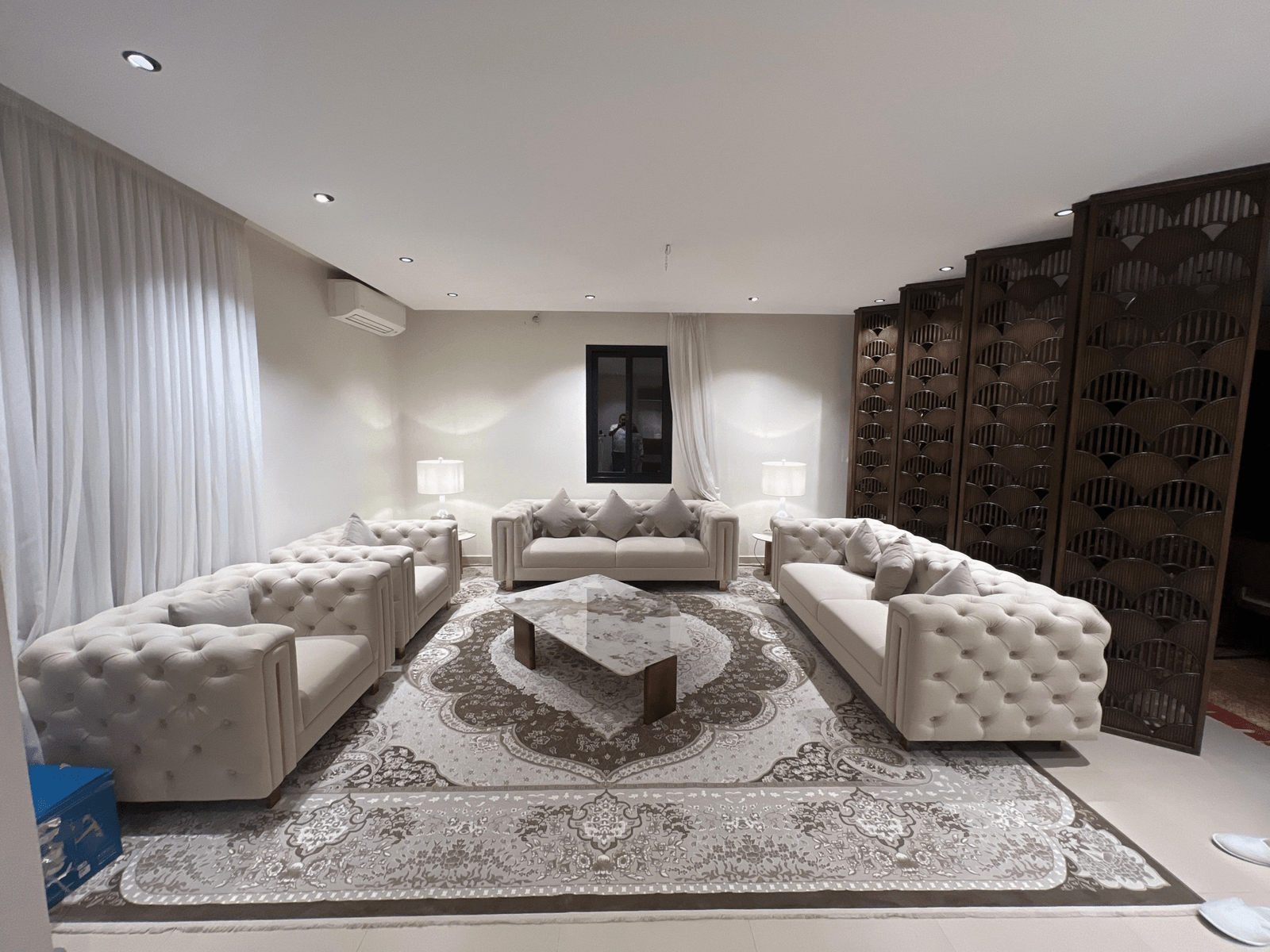
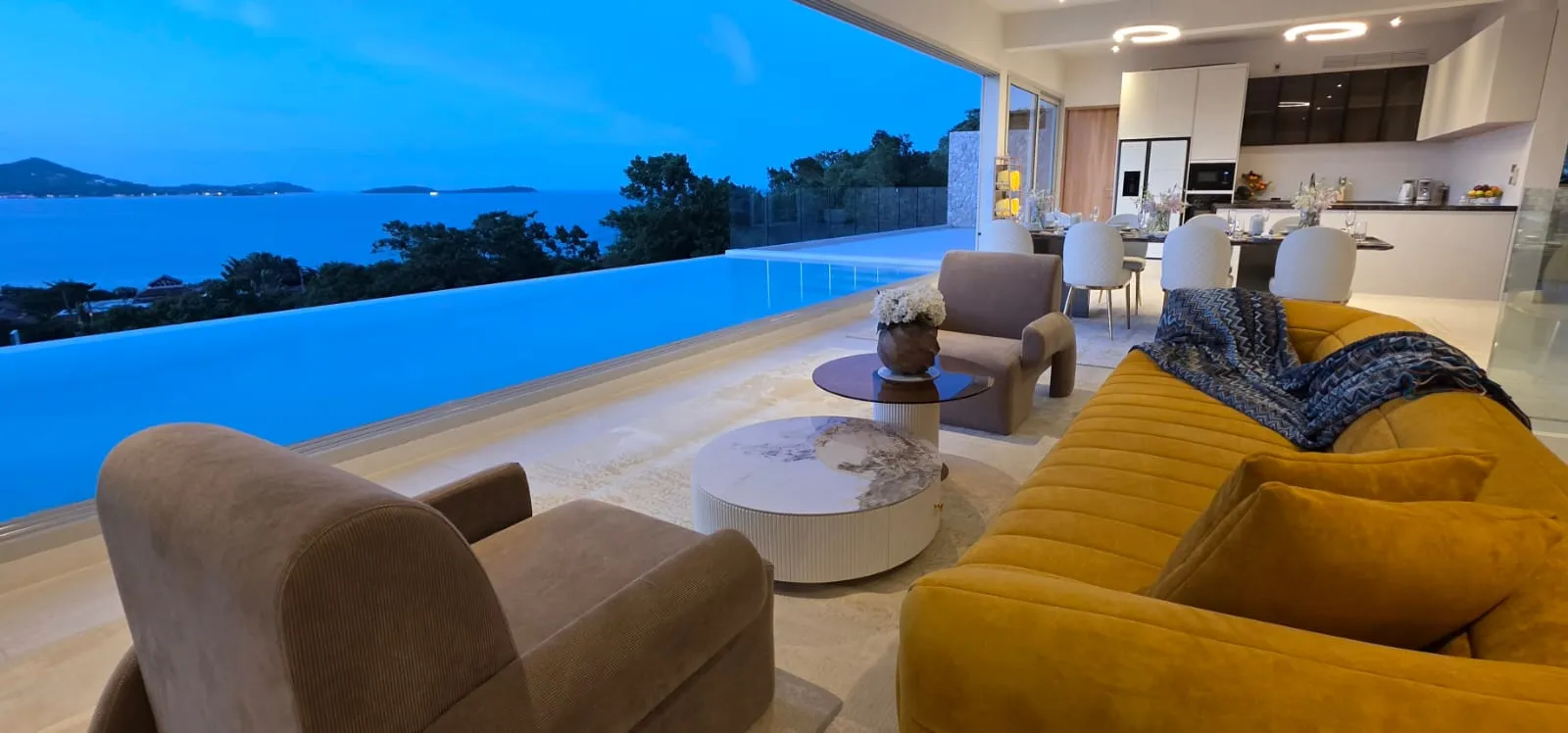
This model also shapes our showrooms. We do not only group products by category. We also group them by style and mix. You will see full-room scenes where cabinets, tiles, floors, wall panels, and lighting already work together. This helps you see our strength, not just our stock.
How Our Service Flow Works (Action + Output)
Many service diagrams look nice but are hard to use. We keep ours in short steps. Each step has one action and one clear output you can check.
Our service flow covers design development, 3D effects, production, shipment, and after-sales follow-up. We keep two paths in mind: one for homeowners and small renovation teams, and one for developers, builders, and designers on larger projects. In both paths, you can start with something as simple as a floor plan. If all you have is a floor plan, we can already begin to help.
The core steps
| Step | Action from you | Output from us |
| 1. Share | Send floor plan and basic needs | First call or message to clarify scope |
| 2. Plan | Discuss style, budget level, key categories | Draft 2D layouts and mood / style ideas |
| 3. Design | Review layouts and options together | Refined 2D plans, 3D layouts and 3D renders |
| 4. Quote | Lock main choices | Clear quotation based on agreed design |
| 5. Confirm | Confirm plan and sign contract | Production arrangement with partner factories |
| 6. Build | Factories produce by plan | Internal quality checks on finish and color |
| 7. Ship | Goods loaded and shipped out | Shipping documents and status updates |
| 8. After-sales | You report any issues with photos and order info | Dedicated follow-up to handle advice or replacement |
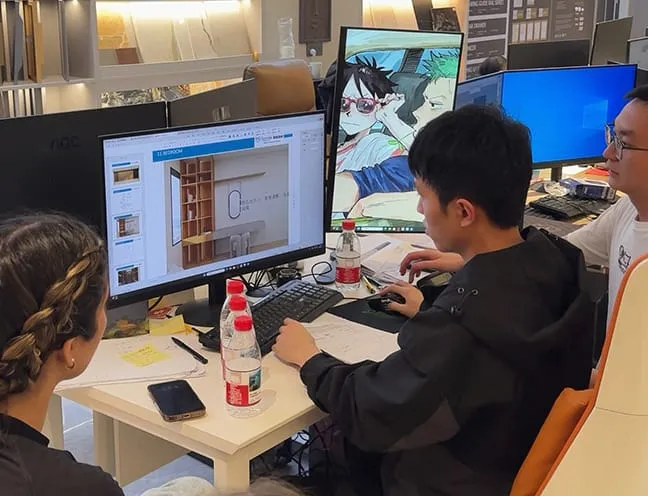
We support design development with both 2D and 3D views. For key areas, we also prepare 3D renders so you can see light, color, and scale more clearly. We adjust the design until you are comfortable to move forward. There is no fixed number of changes written here, because each project is different. The important thing is that changes happen before production, not after.
Quality checks happen at factory level. We look at basic craft and color differences. We can also work with a third-party inspection company if you want an independent report. For some clients, we do a live video call from the factory so they can see products on the line.
Trade terms such as FOB, CIF, or DDP depend on the country and shipment type. We already have experience with many regions, including North America, Australia, Africa, South Asia, and South America. When we prepare your quotation, we discuss which trade term fits your case and local rules. For samples such as color boards, we can send them on request so you can match other materials on your side.
After your goods arrive and you finish installation, our project manager will check in. If you find any quality problems or damage, you only need to send problem photos and your order information. A dedicated person will follow up with you to find a solution, which may include advice, replacement, or other support depending on the situation.
Inside Our 30,000 m² Showroom Cluster
A big showroom can feel like a maze if there is no structure. We treat our 30,000 m² not just as display space, but as a “live catalog” where each zone explains a part of our service.
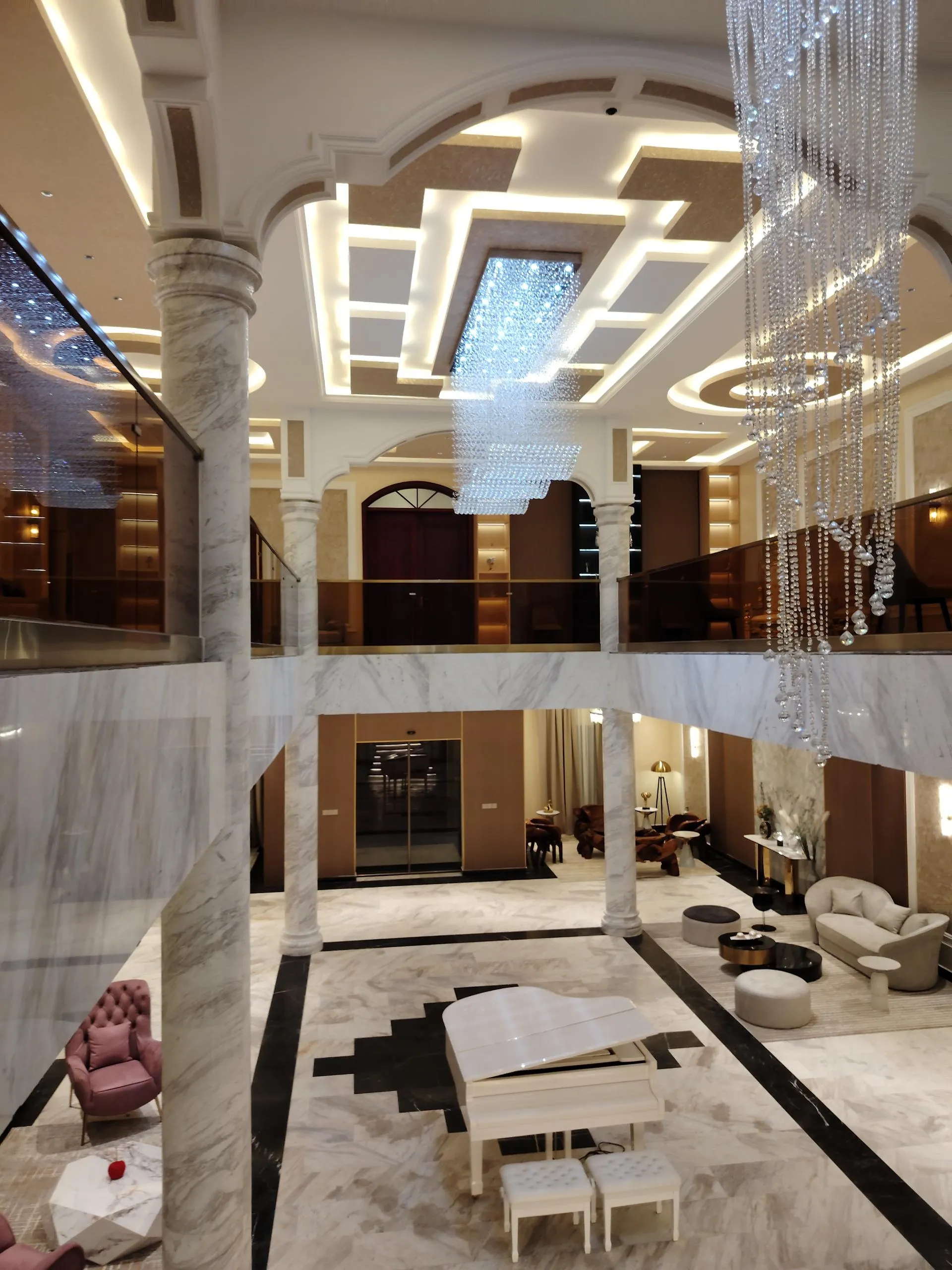
Our showrooms are all in Foshan, in different buildings and floors, but they work together as one cluster. You will find zones for cabinets, windows and doors, bathrooms, furniture, tiles, stone, flooring, wall panels, soft furnishings, lighting, stairs, and more. Together, they cover more than 90% of the categories most projects need.
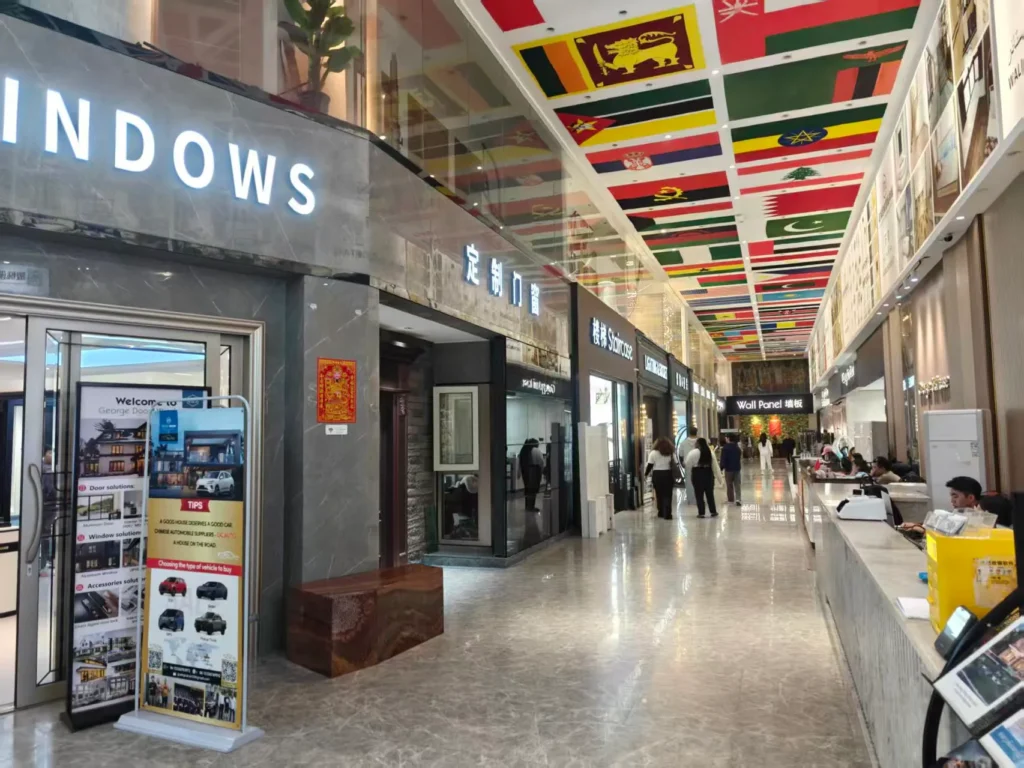
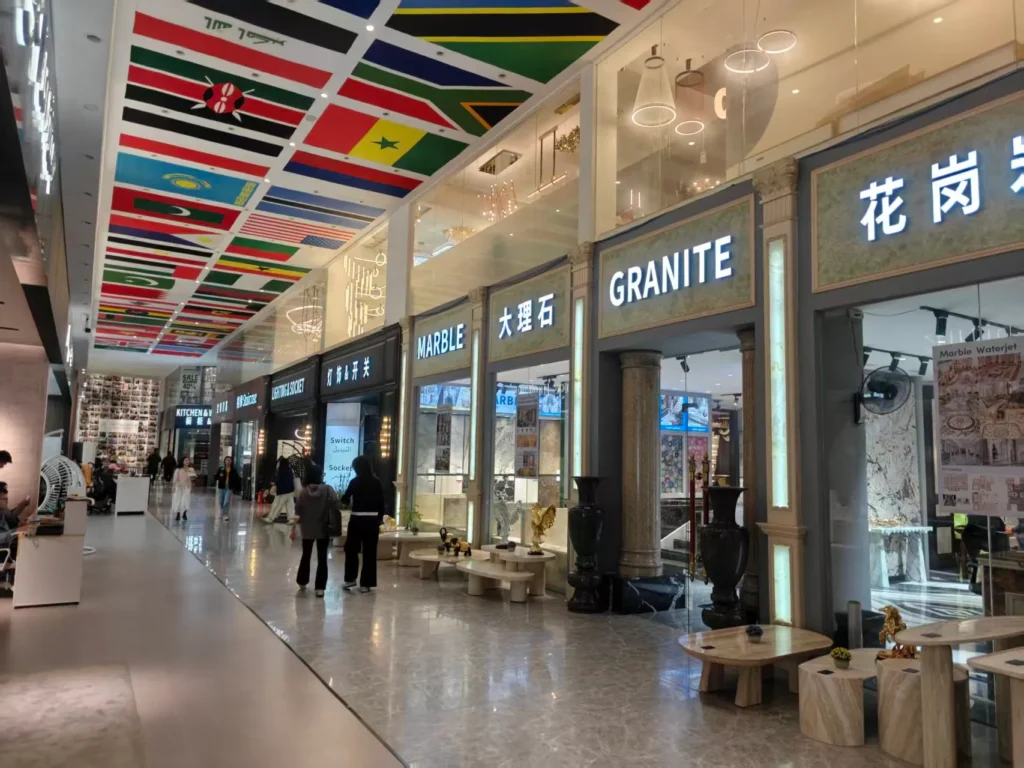
How the space is organized
| Zone | Focus | What you mainly see |
| Cabinet halls | Kitchens, wardrobes, storage | Layouts, door styles, internal fittings |
| Window & door walls | Frames and glazing | Aluminum, glass types, handle styles |
| Bathroom halls | Vanities, basins, showers | Full bathroom sets and fittings |
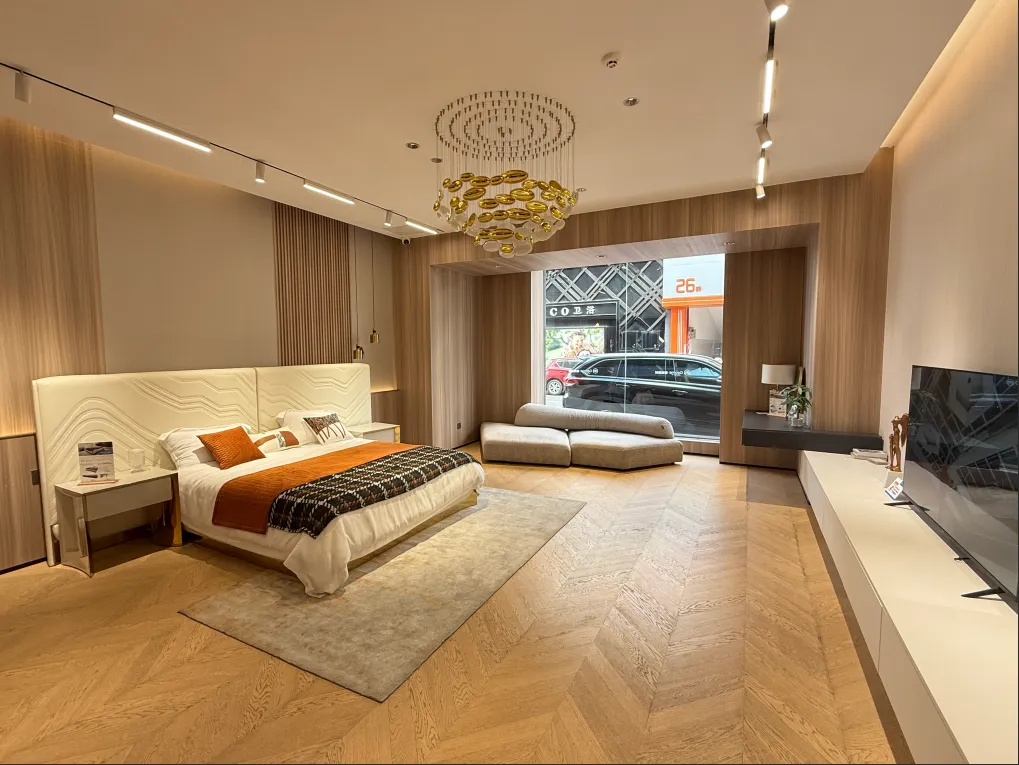
| Living and furniture areas | Sofas, tables, beds | Room scenes and furniture combinations |
| Tile & stone floors/walls | Tiles, slabs, tops | Sizes, textures, colors, edge work |
| Soft furnishing corners | Panels, curtains, rugs | Fabrics, panel styles, color layering |
| Stair and railing zones | Stairs, handrails | Different shapes and materials |
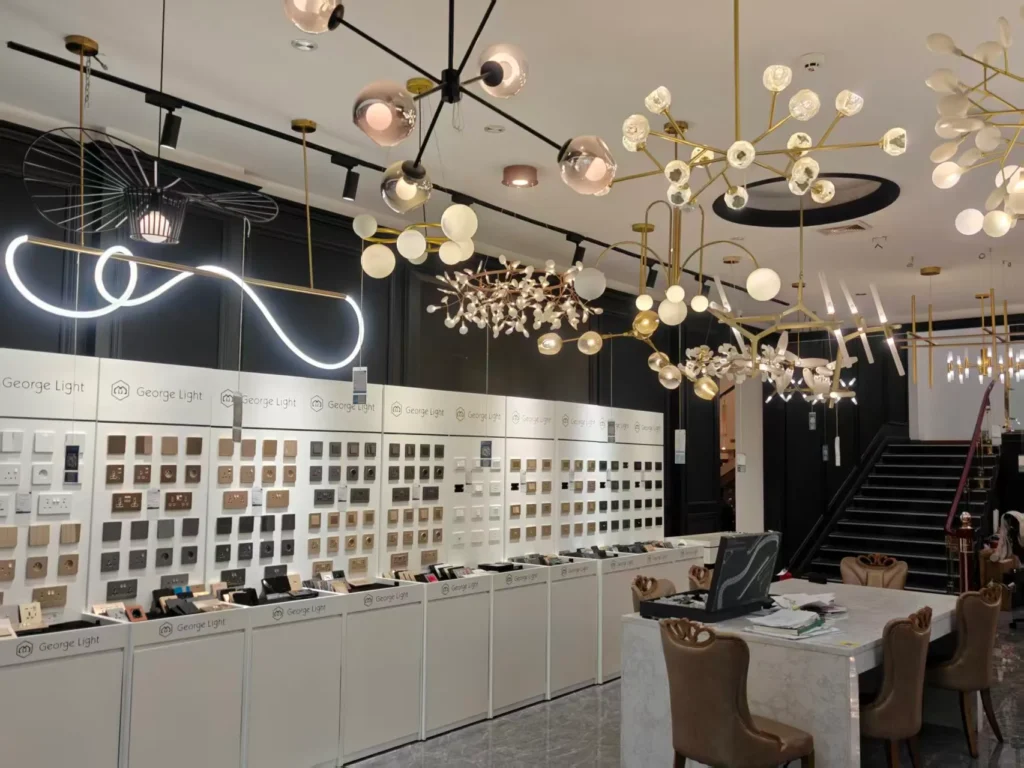
| Lighting ceilings | Downlights, pendants, feature lights | Layers of light and color temperature |
When you visit, we usually suggest a simple route. Start with the categories that are hardest to change later, like floors, tiles, windows, and stairs. Then move to cabinets and bathrooms, which sit on top of those choices. At the end, tune the feeling with furniture, soft furnishings, and lighting.
If you cannot visit in person, we can walk you through by video call. We move from zone to zone, hold the camera still when you need to compare two options, and take extra photos when you want to think calmly after the call.
What You Will See in Each Showroom Category
Big projects often fail at the joints: where cabinet meets tile, where door meets floor, where stairs meet wall. Our showrooms are built to show these joints as clearly as the products themselves.
Below, we look at each main category in the order most buyers like to explore.

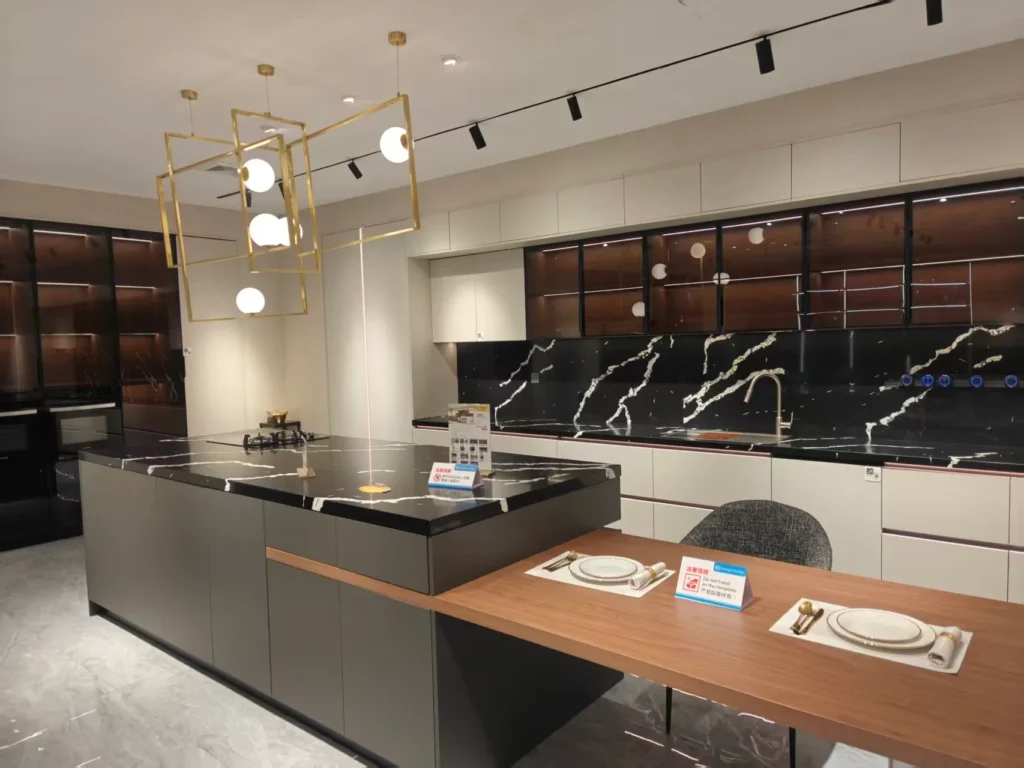
Cabinets: Kitchens, Wardrobes, Storage
You will see kitchen runs, tall units, corner solutions, wardrobes, laundry cabinets, and storage pieces with built-in appliances and smart fittings.
| Item | Common risk | Our approach |
| Carcass | Too thin, feels weak | Use proper thickness for project level |
| Edge banding | Chips or peels | Use solid tape and neat corners |
| Hardware | Noisy or weak | Use tested hinges and slides |
| Layout | Wasted corners | Show working corner solutions |
We encourage you to open everything. Pull out a full-height pantry. Check how drawers glide. Compare matte, textured, and glossy fronts under the same light. Many clients like to photograph two color options side by side so they can decide later without pressure.
Windows and Doors
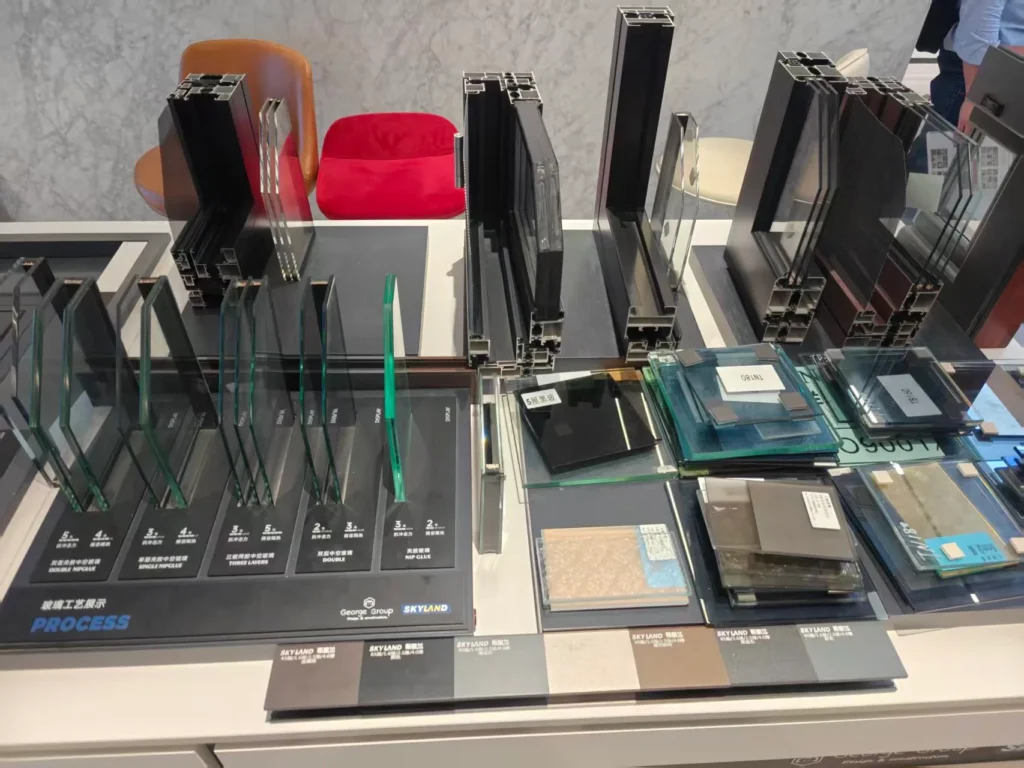
Our window and door walls show single, double, and triple glazing, different frame profiles, and a range of styles for main doors, room doors, and balcony systems.
| Item | Common risk | Our approach |
| Frames | Poor sealing | Show proper gaskets and closes |
| Glass | Wrong spec for noise or heat | Offer different glazing build-ups |
| Hardware | Weak handles and locks | Display solid handle and lock options |
You can test how each sash closes and locks. Try how heavy or light the action feels. Look at the surface finish of the frames. You do not need deep technical terms to know if something feels well made or not.

Bathrooms
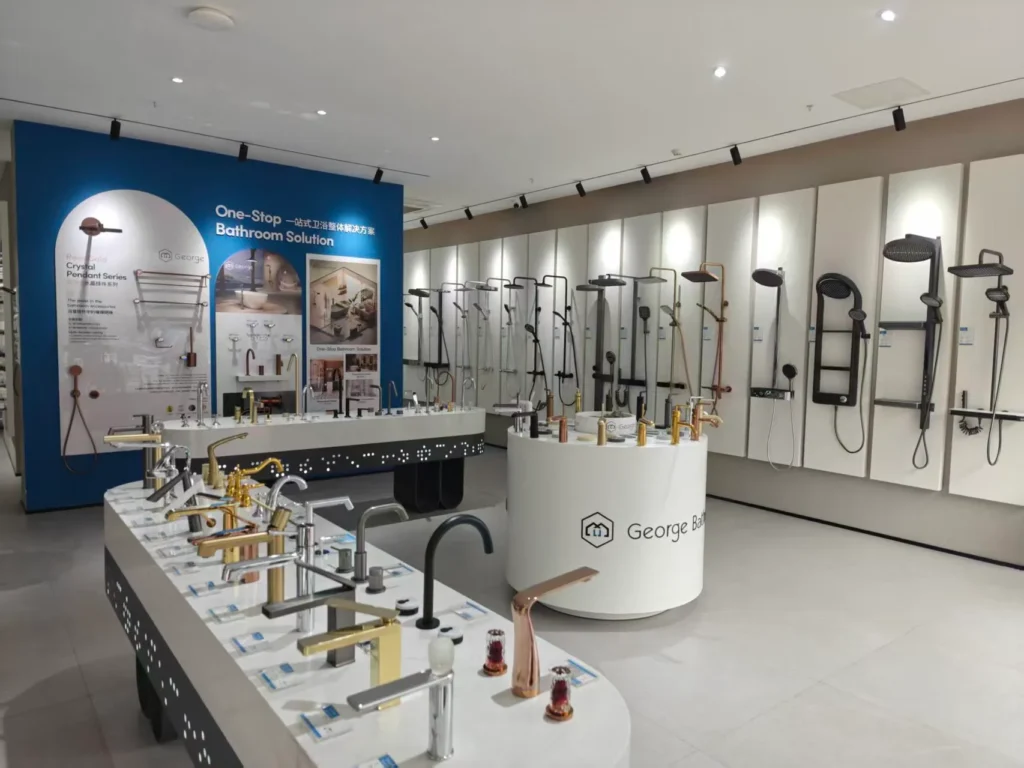
Bathroom halls show full sets: vanities, basins, mirrors, taps, showers, toilets, and small accessories. Items are grouped by style and level so you can imagine real rooms, not just single pieces.
| Item | Common risk | Our approach |
| Basin & toilet | Rough glaze | Show clean, smooth surfaces |
| Faucet | Flimsy handle | Let you test handle feel and water stream |
| Storage | No place for real items | Display practical drawer and shelf layouts |
Walk the aisles and look at how tops meet basins, how mirrors sit on tiles, and how handles feel in your hand. It is easy to imagine your daily routine and see what works for you.
Furniture
Furniture zones show living, dining, bedroom, and public area setups. They mix fixed and loose furniture.
| Item | Common risk | Our approach |
| Frames | Wobble or noise | Show stable, tested pieces |
| Drawers | Misaligned tracks | Display clean-running storage |
| Fabrics | Thin or scratchy | Offer different weights and textures |
Sit on sofas and chairs. Pull doors and drawers. Look at veneer edges and the way table legs meet the top. This tells you a lot about how the supply side works.
Tiles, Stone, and Flooring
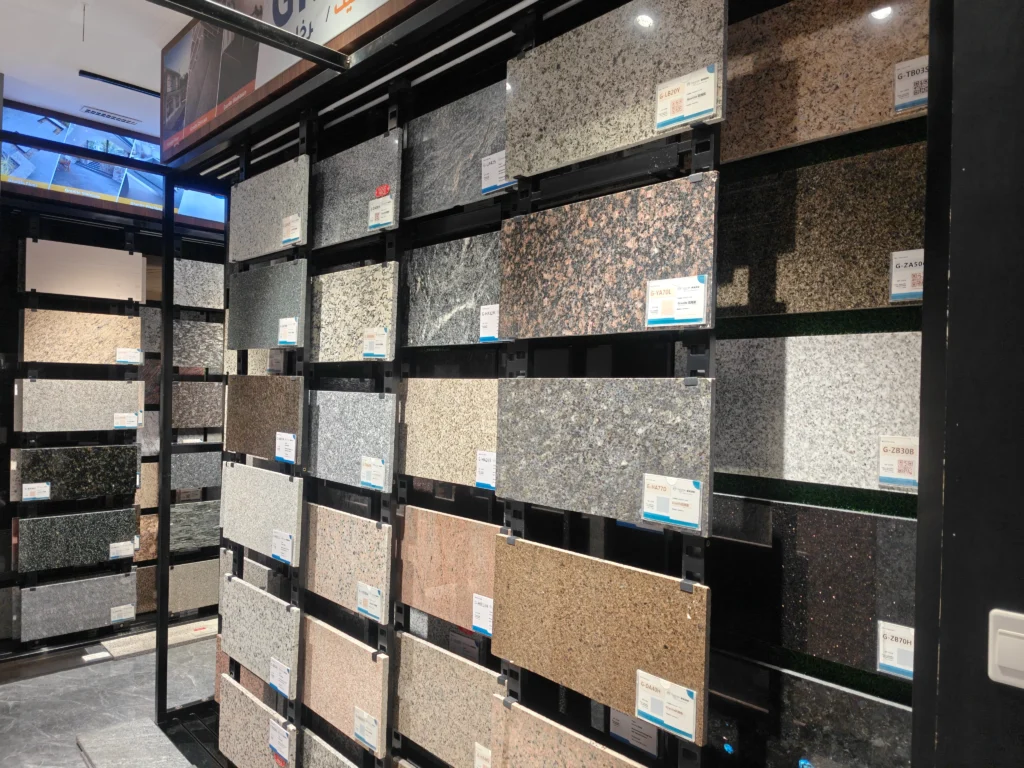
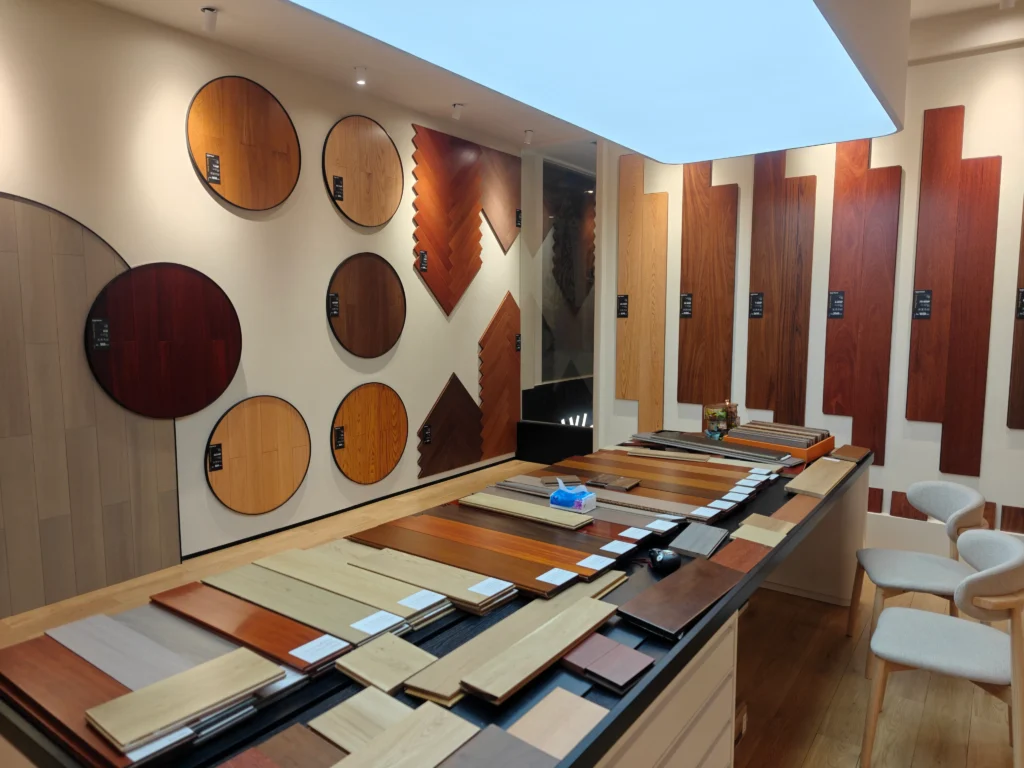
These areas often decide the whole feeling of a project. You will see wall and floor tiles, large slabs, different stone types, and floor options like wood looks and other finishes.
| Item | Common risk | Our approach |
| Tiles | Shade and size issues | Show full boards and clear groupings |
| Stone tops | Bad seams | Show sample joints and edge shapes |
| Floors | Gaps or swelling | Display realistic installations |
You can compare smooth, matte, and textured tiles. Place two tiles together from the same board and from different boards to see shade control. For stone and tops, we show edge profiles and how two pieces meet at a corner. For floors, you can see how joints look and how the surface reacts to light.
Soft Furnishings: Wall Panels, Curtains, Rugs
Soft items finish the mood and help with sound and comfort. You will find wall panels, curtain sets, and rug options grouped by style.
| Item | Common risk | Our approach |
| Panels | Warp or poor joints | Show flat, clean joins in real walls |
| Curtains | Hard-to-move tracks | Display smooth-running tracks |
| Rugs | Colors not matching | Mix rugs with sofas and floors |
You can pull curtains along the track, see how sheer and blackout layers play together, and feel panel and rug textures by hand. These tests are simple but very useful.
Stairs
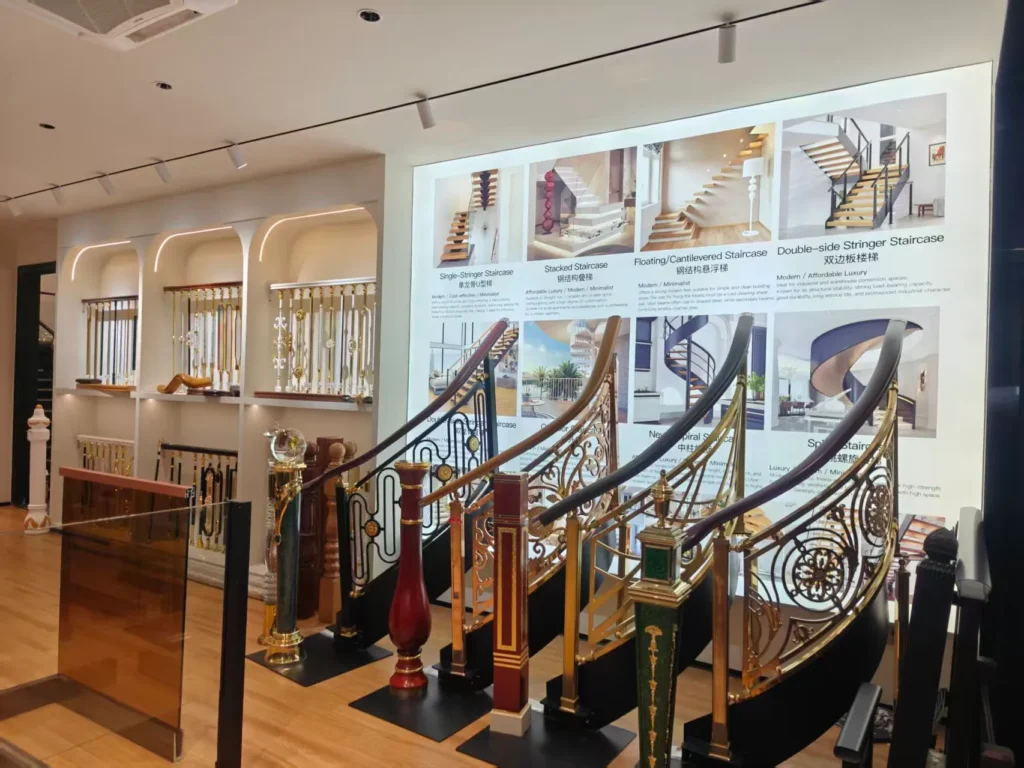
Stair areas show different shapes, materials, and railings. Some options look light and floating; others feel more solid and classic.
| Item | Common risk | Our approach |
| Steps | Movement or noise | Show stable setups you can walk on |
| Handrails | Uncomfortable grip | Offer different shapes to test |
| Edges | Sharp or rough | Display neat, safe edges |
We always suggest you walk the stairs in the showroom, hold the rail, and see how it feels at turning points and landings.
Lighting
Lighting zones show ceiling spots, tracks, pendants, and feature lights, both for indoor and some outdoor settings.
| Item | Common risk | Our approach |
| Color | Wrong color temperature | Show warm and neutral scenes |
| Fit | Harsh or uneven light | Show layered lighting in real scenes |
| Build | Weak housing | Display solid fittings you can touch |
We also use lighting to show how the same tile or cabinet front changes under different color temperatures. For a deeper technical view of color rendering, you can later read more about the Color rendering index, but in the showroom you mainly need your eyes.
Answering New Buyers’ First Questions
If you have never used a one-stop building materials supplier, it is normal to feel unsure. You may wonder how to start, how much control you keep, and what happens if something goes wrong.
We hear these questions every week, so we build clear answers into our process.
What most new clients want to know
We notice a few simple patterns:
- “What do you need from me to start?”
A floor plan and a short note about style and budget are enough. Photos of your current space or inspiration images are helpful but not required.
- “Will I still have choices, or will you push a fixed package?”
You always choose. Our job is to limit confusion, not options. We suggest sets that match, then adjust together.
- “How can I trust quality if I am overseas?”
You can judge a lot from the showrooms. On top of that, we can do video calls in the factory and support third-party inspections if you request them.
- “What if there is a problem after I receive the goods?”
You send photos and order information. A dedicated person follows up with you to understand the issue and work on a solution.
The more open your questions, the better we can match the plan to your project. You do not need to know every technical word. Simple language and clear photos are usually enough to move forward.
Conclusion
A one-stop building materials supplier should not only “have many things.” It should also give you a clear path from floor plan to drawings, showrooms, production, delivery, and after-sales, so you can see our strength and make calm decisions.
Share Your Plan, Get Ideas:
If you already have a floor plan, you have enough to start. Share it with a short note about your project type and style. We will use it to suggest a first mix of categories and a simple path through our showrooms, and then prepare a design and quotation plan that fits your level. Want to move from reading to action? Send us your floor plan and we will reply with ideas you can see and discuss. Please allow us to showcase our global case studies, just to give you greater peace of mind.