Tiny panes trap light, drafty frames waste cash, wrong sizes delay permits—window mistakes punish homeowners fast.
You avoid cost overruns and code fines when you learn how sizing codes translate to inches, how structure supports spans, and how glass, framing, and room use guide every measurement before you sign a contract.
Ready to decode numbers, pick smart upgrades, and order once—correctly? Let’s start.
How do code names like 3050 convert to inches?
Small digits hide big errors if you guess.
In most U.S. catalogs, the first two numbers mark width in feet and inches, the last two mark height, so “3050” reads as 3 ft 0 in × 5 ft 0 in—or 36 × 60 in.
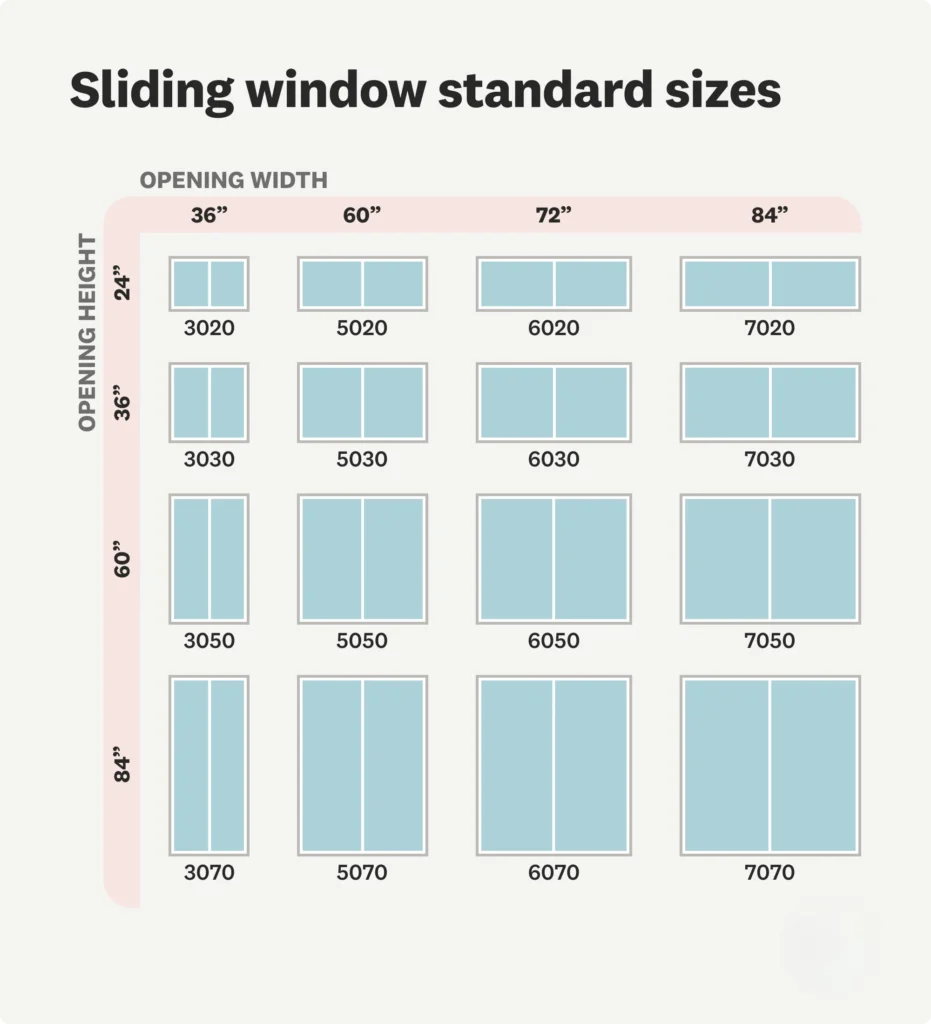
Decode and confirm
Code shortcuts vary by brand. The “3036” slider from one maker may measure 34 ¾ × 35 ½ in, allowing wiggle room for shims. Always read the fine print and ask for true frame size plus minimum rough opening. When mixing brands, convert every size to inches to spot mismatches. Use a laser tape, not a ruler, on existing openings; eight-foot ceilings amplify cumulative error. For metric catalogs, divide millimeters by 25.4 and round up to the nearest eighth-inch. Keep a cheat sheet on site so installers, carpenters, and inspectors speak one length language.
Which rooms need bigger windows for safety?
Dark hallways and tiny bedrooms hinder rescue.
Bedrooms, basements, and habitable attics must meet local egress codes—often a clear opening at least 20 in wide, 24 in high, giving 5.7 ft² of escape area.

Safety plus comfort
Codes follow life-safety logic: someone in bed must crawl out without tools. Basement wells need ladders and 36 in clearance. Add casement styles where height is limited; a 28 × 48 in casement can clear the same escape area as a 32 × 54 in double-hung. Over-size also boosts daylight, cutting electric bills and raising appraisal value. But balance with wall studs and headers—bigger holes need stronger beams. Always check your jurisdiction’s amendments; coastal zones may call for impact glass on escape routes. Measure from finished surface to verify final drywall won’t shrink the opening below code.
What frame depth fits 2×6 exterior walls?
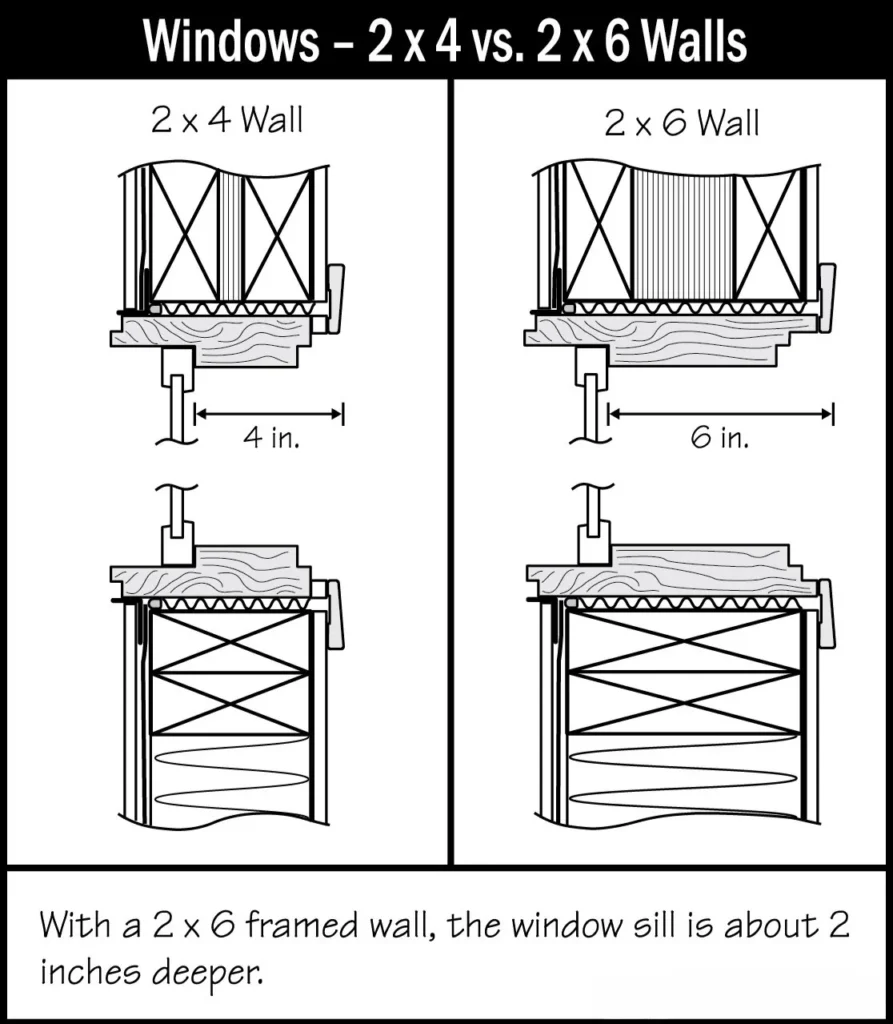
New builds often jump from 2×4 to 2×6 studs for insulation.
Order frames with 6-9⁄16 in jamb depth so interior trim lands flush to drywall and exterior flanges seal without extra spacers.
Flush and weather-tight
A 2×6 wall equals 5 ½ in of stud plus ½ in sheathing and ½ in drywall—6 ½ in total. Stock 4-9⁄16 in jambs fall short, leaving trim gaps and cold bridges. Extender kits add cost and weaken nailing. Ask supplier for “factory extended” jambs; they integrate weather flashing and save site labor. Check that sill nosing still slopes 6–7°. In retrofit jobs, cut back interior drywall and add plywood returns if deep frames blow budget. Do not pad with bare foam; it compresses and breaks caulk lines.
How do rough openings differ from actual window sizes?
A saw blade’s width can derail a snug fit.
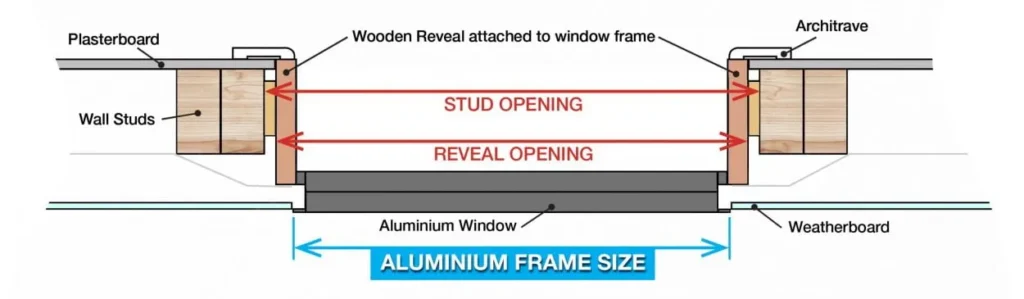
The rough opening (RO) is the framed hole, usually ½ in wider and ½ in taller than the window’s outside frame, allowing shims, insulation, and square adjustment.
Precision pays off
If a 3046 window’s frame is 35 ½ × 58 ½ in, the RO should be 36 × 59 in. Check both diagonals; they must match to within 1⁄8 in or the window twists. Use kiln-dried lumber; wet studs shrink and pinch frames later. For masonry, leave ¾ in gap to pack backer rod and sealant. Record RO sizes on a wall chart so deliveries match reality. One mis-cut stud adds hours of planing or, worse, forces re-order fees.
Does triple-pane glass really cut energy bills?
Extra glass means extra cost—does it pay back?
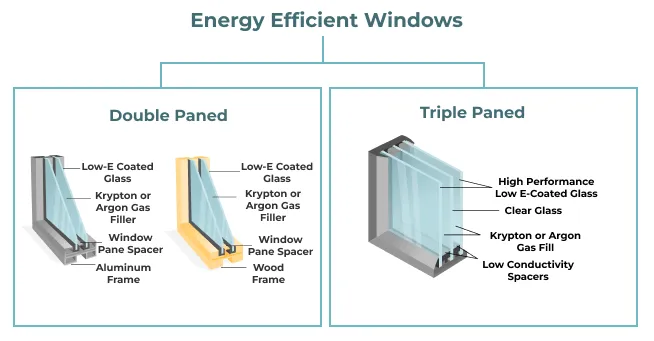
Triple-pane Low-E units slash U-factor to around 0.20, often cutting heating loss 15 %–20 % versus double-pane, most noticeable in cold or mixed climates.
When three beats two
In zones with 5,000+ heating degree days, triple glass trims furnace runtime. Argon or krypton fills slow convection; warm edge spacers curb condensation. ROI depends on energy rates: at $0.15/kWh, a 200 ft² window wall may recover premium in seven to ten years. Southern zones chasing solar-gain rejection may instead choose double-pane with spectrally selective Low-E, saving weight and hardware wear. Noise drops 2–4 dB with triple glass—another plus near highways. However, sash mass rises 30 %, so check operating force limits and order heavier-duty balances.
Are custom windows worth it for odd openings?
Non-stock sizes drive lead time and price.
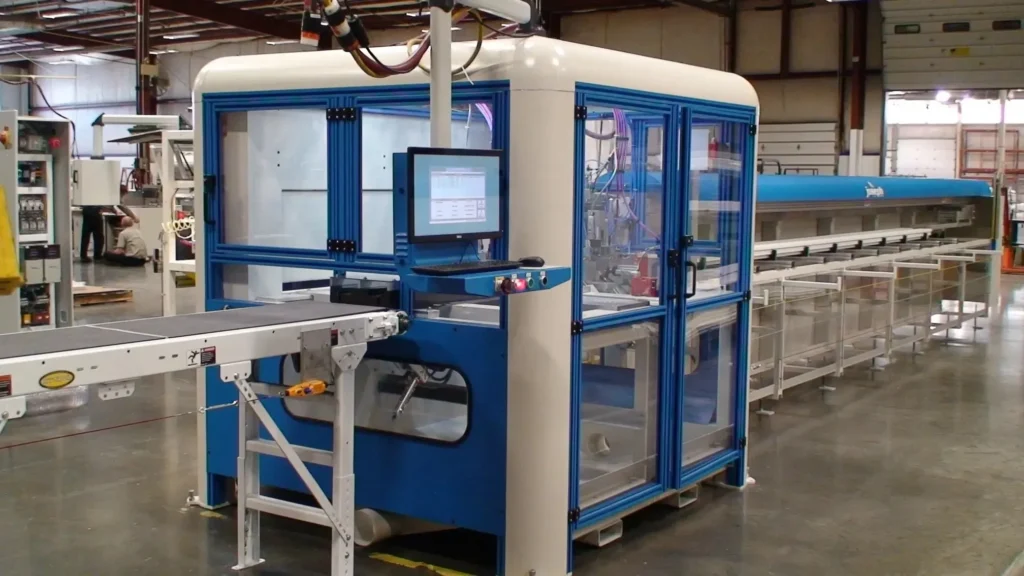
Custom builds cost 15 %–30 % more than standard units but eliminate reframing, preserve exterior finishes, and often ship in three to four weeks from major factories.
Cost versus convenience
Measure twice; custom returns seldom allow cancellation. For brick or stone facades, resizing rough openings means masonry patch lines that never blend. Historic homes keep symmetry by matching sash sightlines, not wall holes. Weight specialty glass: tempered, laminated, or art-grid options compound premiums. Ask about “custom within standard” lines—manufacturers cut vinyl longer or shorter inside tooling limits without full custom fees. Provide templates for arches and circles; CAD files reduce mis-fit risk. If timeline rules, frame to the nearest stock size and cover gaps with wider trim.
What header size supports a six-foot window?
Structure fails before glass if you undersize lumber.
Most single-story walls need at least a double 2×10 SPF or engineered LVL header for a 6-ft span, but snow loads, roof type, and wall length can push specs higher.

Span tables and safety
Code books list maximum spans by species, grade, and load. In a 28-ft wide ranch with 30 psf snow, a double 2×10 carries up to 6-3. Open-concept plans with point loads above require LVL. Add cripples from header to top plate at 16-in centers to transfer roof weight. Remember jack studs reduce RO width; calculate RO before cutting. For retrofits, bolt steel angles across existing studs if room for deeper beams is absent. Consult a structural engineer for multi-story or brick veneer walls; their stamp prevents inspection delays.
Do larger windows raise installation costs?
Bigger glass, bigger bill—or not?
Installation cost rises 10 %–15 % for each size jump because heavier units need two-person crews, stronger lifts, and longer trim pieces, though labor rarely doubles.

Labor math
A 2030 vinyl double-hung may install in 45 minutes; a 6060 picture can take two hours. Lift rentals run $150 per day, while boom trucks exceed $500. Disposal fees climb too: old bay windows weigh 300 lb and fill a dumpster. Still, unit count drops—one big window replaces two small. Energy savings rise with fewer frames. For budgeting, multiply linear perimeter by a trim-rate, not window count. Ask contractors to quote per opening size tier to avoid surprises.
How much space do sliding windows need to open?
Sliders may fit narrow patios better than casements.
Horizontal sliders need clear interior width equal to half the sash plus handle clearance, while vertical sliders need unobstructed tracks but no swing radius.
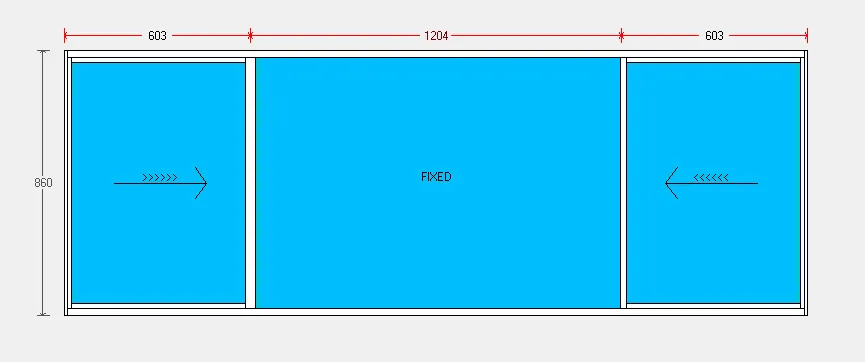
Clearance checklist
An XO slider with a 72-in frame has one 34-in moving sash. Furniture must sit 2 in away for fingers. Exterior screens slide too; plan for ¾ in reveal in stone sills. Vertical double-hung units clear inside but require 3 in exterior sill projection for drip. Test vent stops; many code inspectors demand 4-in opening limit above first floor. For wheelchair users, set lock height under 48 in. Patio planters often block egress—use low troughs beneath sill.
What is the bedroom egress window size rule?
Sleeping rooms carry stricter escape demands.
Most codes require a net clear opening of at least 5.7 ft² (5 ft² on ground floor), with minimum dimensions 20 in wide and 24 in high, plus sill height under 44 in from the floor.
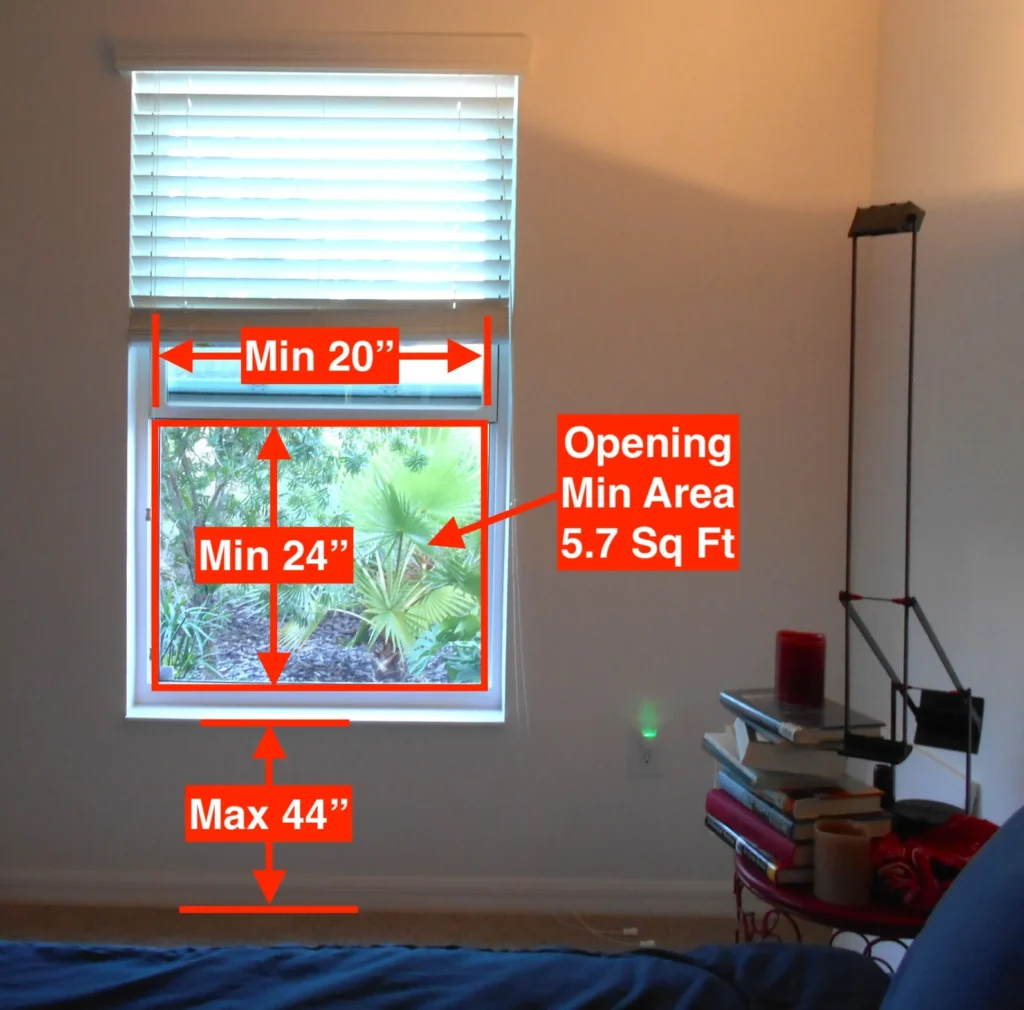
Plan from framing stage
Raising subfloor by new luxury vinyl planks shrinks sill height; verify before final inspection. Use casements for narrow walls—hinge folds clear full frame width. Security bars must quick-release without keys. In basements, dig wells 36 in out from the wall and add ladders if well depth > 44 in. Some states accept tempered glass guard panels when sill drops below 24 in; weigh cost versus railing.
How does climate affect the best window-to-wall ratio?
Glass gleams but can overheat rooms.
Cold climates allow 15 %–20 % glazed wall area to harvest solar gain, while hot sunny zones cut to 10 % or rely on low-SHGC glass and shading.
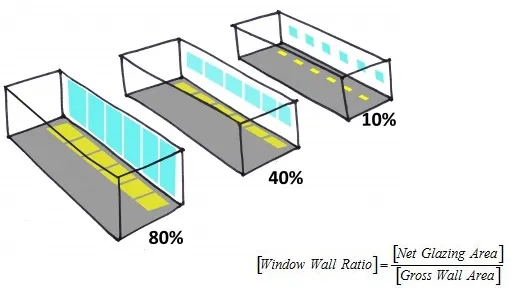
Balance light and load
ASHRAE data shows south-facing glass saves heat in winter if SHGC > 0.45, yet west glass in Phoenix spikes cooling demand by 25 %. Deep overhangs or trellises trim peak gain by half. High-rise condos often lock ratios at 40 % for views, offsetting load with triple silver Low-E and insulated spandrel panels. Use energy modeling early; moving one picture window 3 ft can cut HVAC tonnage. For remodels, consider interior light shelves to bounce sun onto ceilings without glare.
Does window height matching improve curb appeal?
Uneven heads jab the eye like crooked paintings.
Aligning window head heights creates visual rhythm, boosts resale value, and often simplifies framing because shared headers span multiple openings.
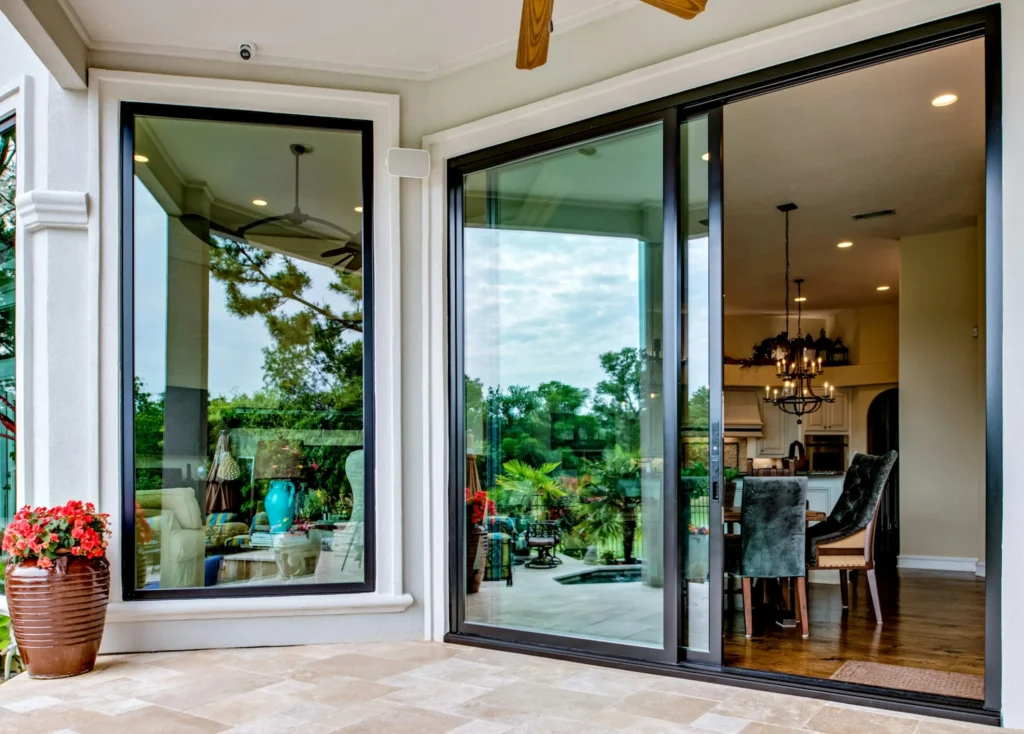
Design harmony
Set main-floor heads at 7 ft-0 in along the facade. On second floors, align sills with heads below for vertical rhythm. Use transoms above short windows to meet the line without changing RO size. In ranch remodels, lowering one outlier may avoid raising eight others. Interior trim joins easier when drywall reveals match. MLS listings highlight “architecturally consistent fenestration”—code for aligned heads that buyers subconsciously prize.
Do bay or bow windows need extra structure?
Pretty projections can sag without support.
Bays and bows place outward loads on walls; installations need engineered LVL headers, insulated seat boards, and often concealed cable hangers or knee braces.

Support from above and below
A 45-degree bay seats on a cantilevered platform or exterior brackets rated for 600 lb. Roof cables tie back into upper joists, relieving seat deflection. Interior LVL caps transfer roof load around the opening. Flashing must step in planes: sill pan, side jambs, head flashing, then roof cap. Skipping one layer lets water rot seat framing. Insulate with closed-cell foam to stop cold downdrafts. Budget extra for finish roofing—hip shingles and copper pans add labor hours.
Which five measuring mistakes add weeks to delivery?
One wrong fraction can push timelines past closing dates.
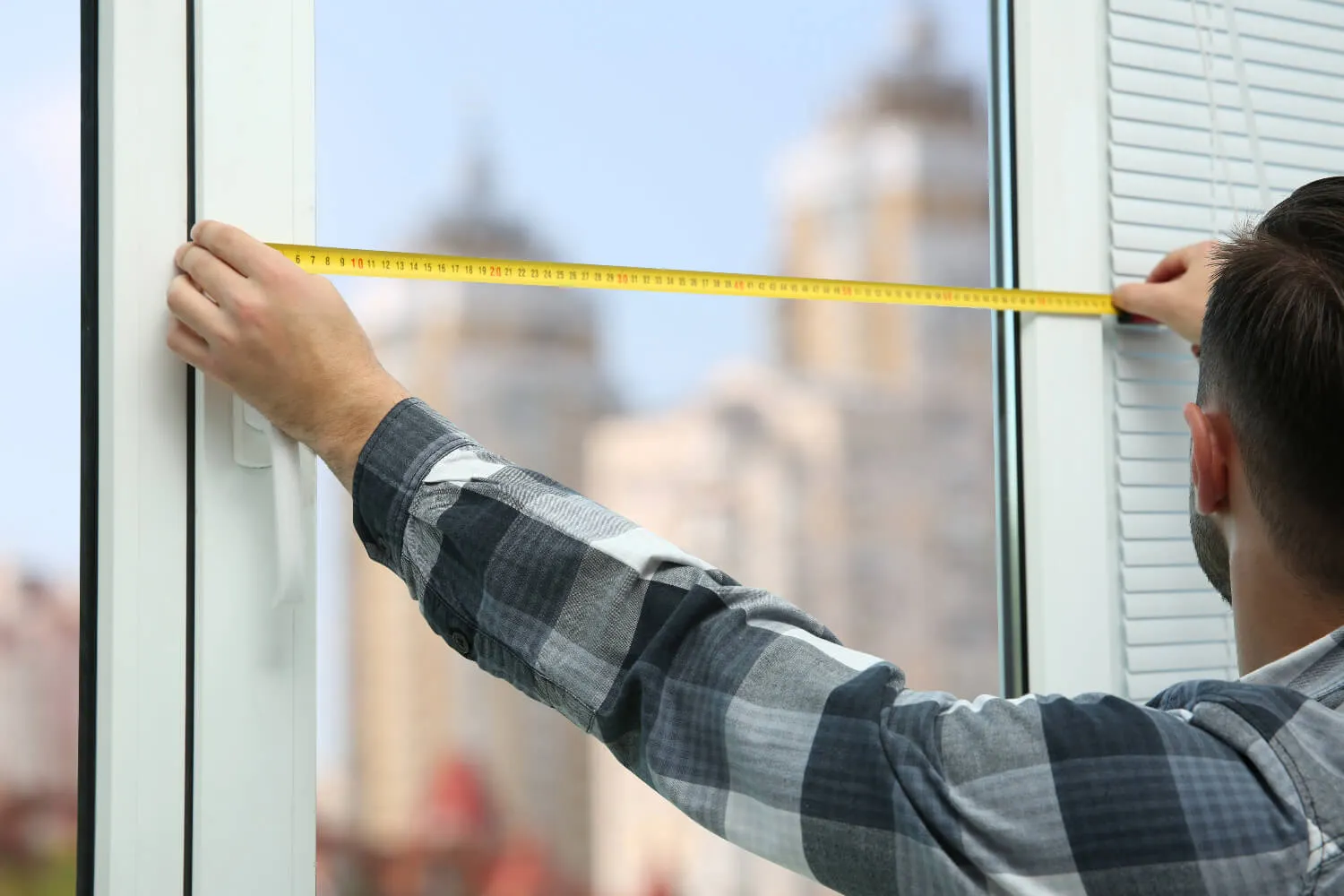
Mis-reading code names, skipping rough-opening checks, ignoring out-of-square walls, measuring before drywall, and forgetting extender jamb depth lead to re-orders that stall jobs two to six weeks.
Avoid the costly redo
- Convert “3050” to inches first, then verify frame spec.
- Measure rough opening both ways; trust the smaller.
- Check diagonals—¼ in discrepancy means shimming headaches.
- Wait until drywall is hung where replacement units must fit existing openings; green board adds thickness.
- Note wall type: 2×6 needs deep jambs.
Create a site spreadsheet with each opening, code, RO, and jamb depth. Email to suppliers—no phone orders. Photograph tape measures for proof. These habits shrink errors to near zero and keep builds on schedule.
Conclusion
Decode size codes, match structure and climate, then order once with flawless measurements—your panes will fit, save energy, and lift curb appeal for decades.
FAQ
How precise should window rough openings be?
Half-inch oversize in width and height is standard; stay within 1⁄8-in for squareness to speed shimming.
Why does tempered glass cost more?
Heat-treatment boosts break strength fourfold and adds safety crumb fracture; extra furnace time raises price.
Can I mix vinyl and wood windows in one facade?
Yes, but match exterior colors and sightlines; varied frame depths may need custom trim.
Are fiberglass frames stronger than vinyl?
Fiberglass expands like glass, stays stiff in heat, and resists sun fade better, yet costs 15 %–25 % more.
Do triple-pane windows fog inside panes?
Only if the seal fails; 20-year warranties cover most argon leaks.
Is DIY window flashing reliable?
If you use self-adhered membrane, proper sill pans, and shingle overlapped layers, DIY can match pro durability.
When should I replace instead of repair?
Replace when rot reaches framing, balances break repeatedly, or single-pane glass drives energy bills higher than swap cost.
Will black window frames overheat indoors?
Quality powder-coated aluminum or fiberglass stays under 120 °F in sun; internal shades cut radiant load further.