Drafts, warping, and peeling finish waste money and time.
This guide shows how to choose, finish, insulate, and maintain wooden doors in 2025. You will learn the right wood species, core construction, weatherproofing, hardware, and costs so your door looks great and works for years.
You will leave with a clear spec, a clean quote, and fewer surprises.
Which wood species suits exterior wooden doors best?
Poor species choice invites warping, cracks, and bugs.
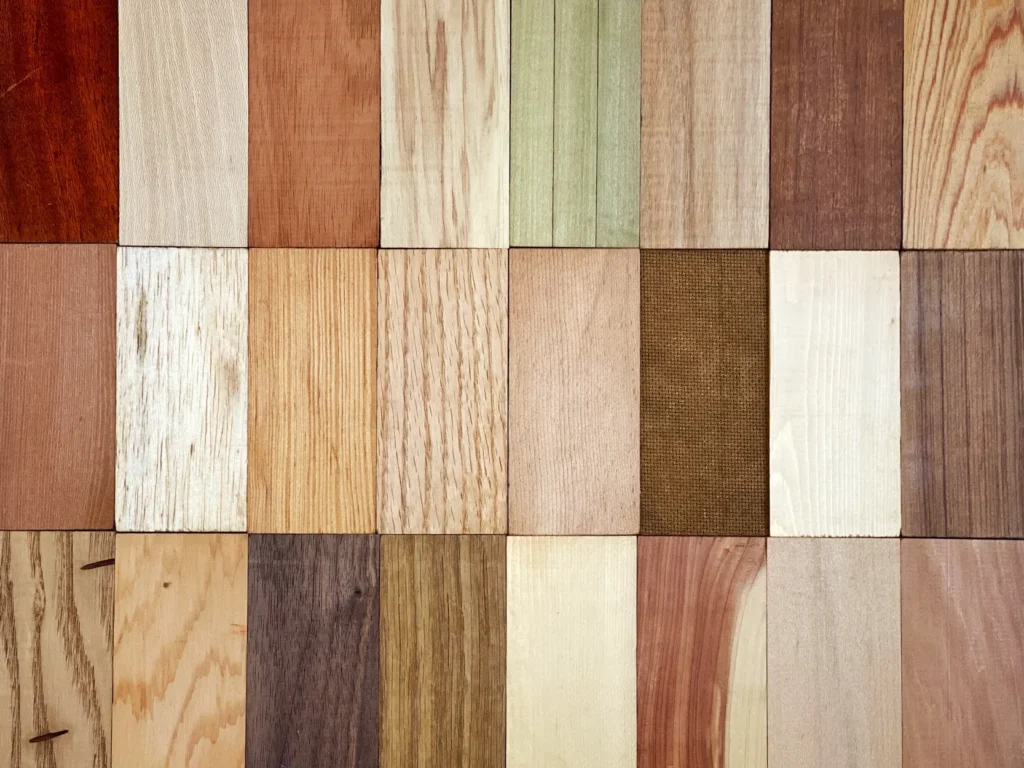
Teak, white oak, mahogany, and cedar handle sun and rain well. Soft pines dent fast. Walnut looks rich but needs shade. Pick by climate, exposure, stain color, and budget.
What matters most
- Stability: resists movement as humidity swings.
- Durability: resists rot and insects.
- Finish acceptance: stains evenly and holds topcoats.
Quick species guide
| Species | Stability | Decay resistance | Stain look | Notes |
| Teak | Excellent | Excellent | Golden-brown | Premium cost; great coastal pick |
| White oak | Very good | Very good | Tan to brown | Closed pores; strong outdoors |
| Mahogany | Very good | Good–Very good | Deep red-brown | Even texture; classic entry look |
| Cedar | Good | Good | Reddish | Light weight; softer surface |
| Walnut | Good | Moderate | Dark chocolate | Best with overhang/shade |
| Pine | Fair | Low | Pale | Budget; dents and moves more |
Choose species that match exposure: full sun and rain need teak/white oak; covered porch broadens options. Match stain palette to grain. Open-grain woods show texture; closed-grain read smoother.
Solid wood or engineered cores: which lasts longer?
A door that moves will rub, stick, and leak.
Engineered cores (stave or LVL with thick wood veneers) stay flatter than single-slab solid doors. Solid looks classic, but engineered beats it for stability, especially in wide or tall panels.
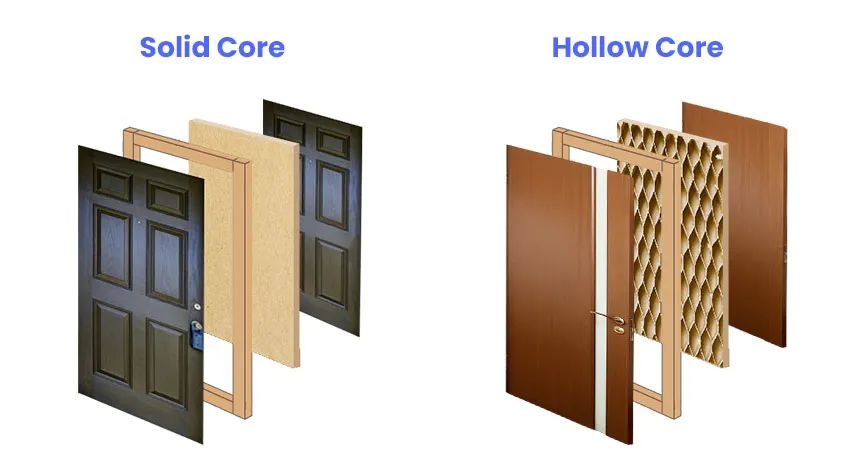
Engineered cores align opposing grain directions. This cancels a lot of seasonal movement. They also hold edge lipping and hardware screws well. Solid slabs expand across the grain and can bow. If you love the feel of solid wood, pick engineered core with 3–5 mm face veneers of your chosen species. You get real wood you can refinish, plus a calmer core. On tall doors (8′ and above) or doors with wide glass cutouts, engineered cores reduce hinge stress and keep reveals even. Always ask for moisture content around 6–8% at shipment and require balanced construction (same veneer and thickness inside and out). That balance keeps the panel from curling. For full-exposure entries, pair engineered cores with drip rails, top and bottom edge sealing, and a storm-rated threshold.
Do wooden doors warp in humid or coastal climates?
Moist air loves gaps and weak edges.
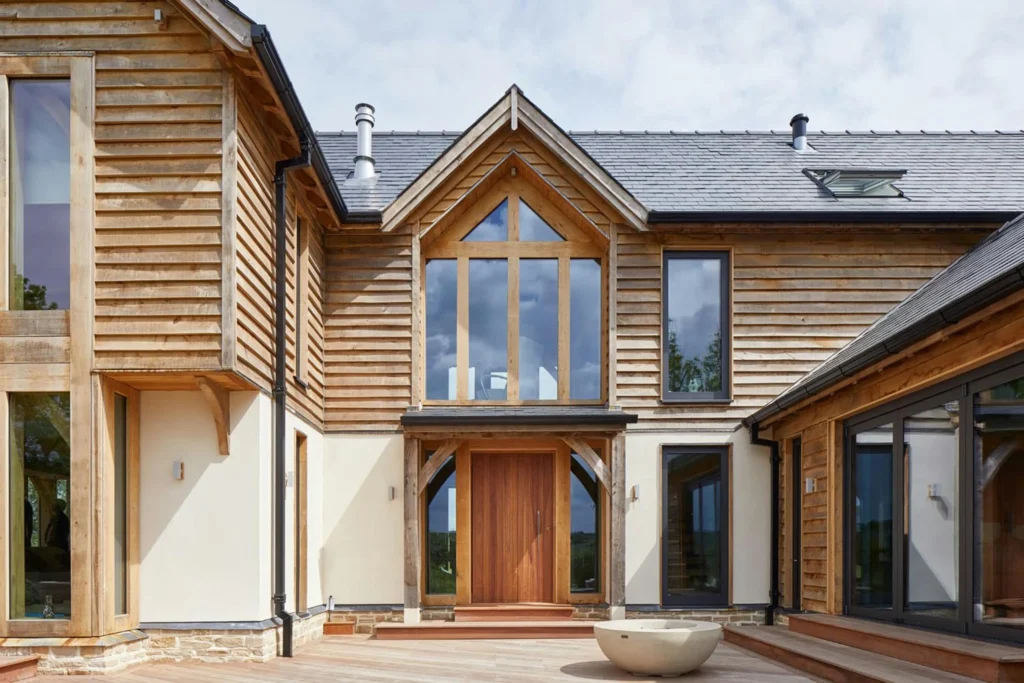
Wood doors can stay flat in humid or coastal zones if you choose stable species, use engineered cores, seal all six sides, and maintain topcoats. An overhang and proper sweep make a big difference.
Control what you can
- Overhang rule: projection ≈ door height ÷ 2 is a strong target.
- Edge sealing: seal top and bottom edges, hinge and latch mortises.
- Gasket system: quality weatherstrip and adjustable threshold.
Simple climate checklist
| Item | Why it helps |
| Engineered core + stable species | Reduces movement |
| UV-resistant topcoat | Slows sun damage |
| Drip cap / sill nosing | Pushes water away from edges |
| Regular cleaning | Removes salt, grime, mildew |
In coastal air, rinse hardware and lower rails with fresh water sometimes. Avoid leaving doors propped open on humid days; swelling starts at unsealed edges. Keep doormats dry so splashback does not soak the bottom rail.
What door thickness resists warping and noise best?
Thin doors flex, leak sound, and tire hinges.
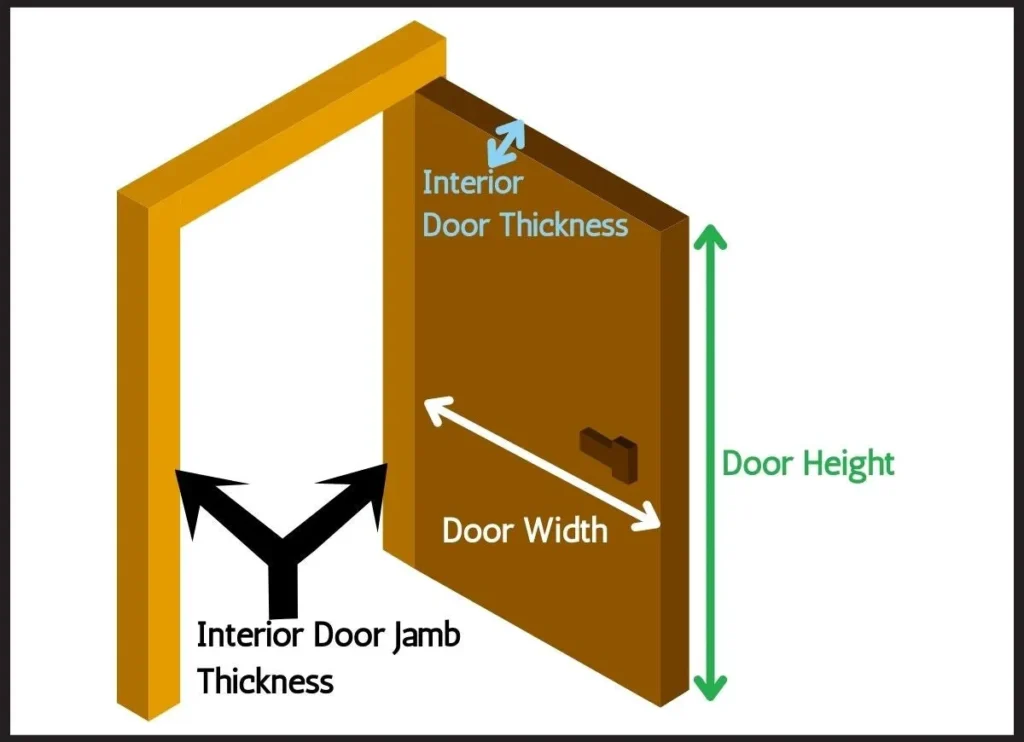
1¾″ thick doors resist warping and block noise better than 1⅜″. They feel solid, hold hardware well, and pair with multipoint locks. Use heavier hinges and a proper jamb to support the weight.
Thickness vs performance
| Thickness | Typical use | Pros | Considerations |
| 1⅜″ | Interior | Light, cheaper | Not for exterior exposure |
| 1¾″ | Exterior | Stiffer, quieter | Heavier; needs strong hinges |
| 2–2¼″ | Luxury/exposed | Very stiff, premium | Custom hardware, higher cost |
A thicker slab gives more edge glue area for stiles and rails. It also lets you run deeper mortises for solid hinges. For sound control, combine thickness with auto door bottoms and compression seals. Heavier doors need 3–4 heavy-duty hinges or pivot sets; spread the load evenly.
Which finish protects wooden doors outdoors the longest?
Finish is your armor; choose it well.
High-solids 2K polyurethane, marine spar varnish, or factory UV-cured topcoats protect longest. Film-forming finishes last longer than oils. Use stain or toner under clear coats for color depth and UV control.

Finish options
| System | Longevity | Look | Notes |
| 2K polyurethane (clear/paint) | Excellent | Satin–gloss | Hard, chemical-resistant |
| Marine spar varnish | Very good | Warm glow | Flexible; recoat on schedule |
| Acrylic exterior paint | Very good | Opaque color | Great UV and moisture shield |
| Penetrating oil | Low–Moderate | Natural | Easy to apply; frequent upkeep |
Prep is half the battle: sand evenly, clean dust, and seal edges. Dark stains get hotter in sun; they need tougher topcoats and more frequent checks. Always keep a maintenance kit: matching stain, clear coat, fine pads, and masking tapes.
How often should wooden doors be refinished or sealed?
Neglect is the fastest way to ruin.
Inspect finishes every six months. Recoat clear systems every 1–3 years in sun; every 3–5 years in shade. Painted doors last longer between repaints, but chips should be sealed fast.
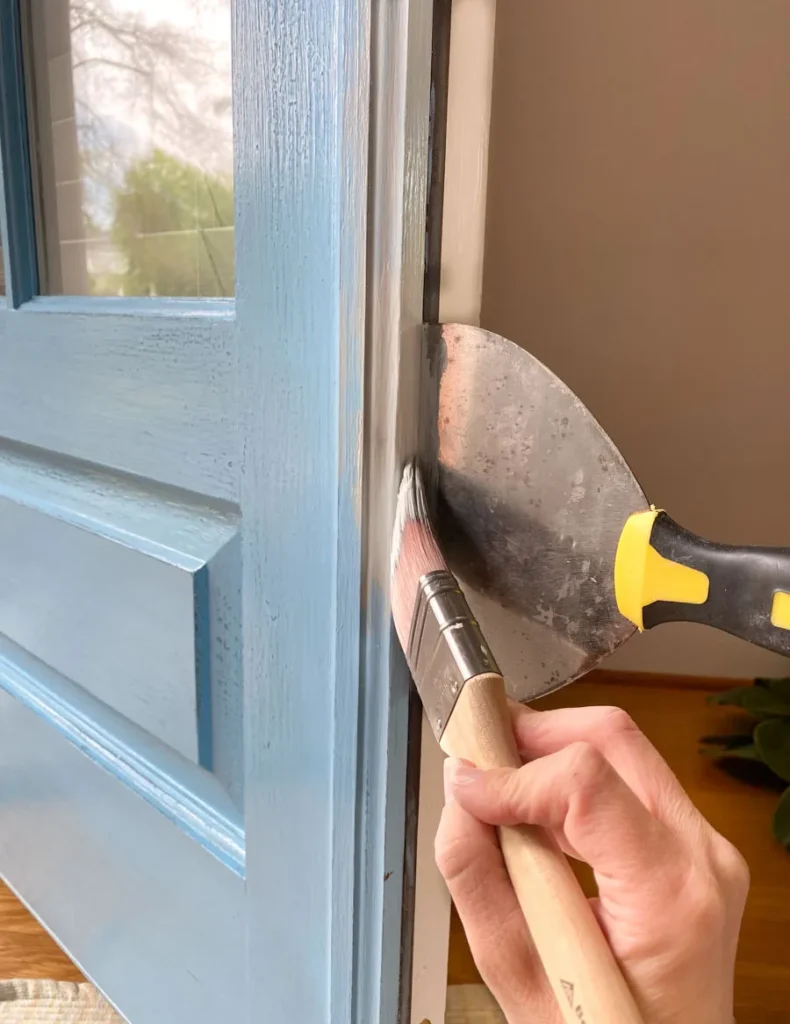
Quick care schedule
| Exposure | Clear finish | Paint finish |
| Full sun | 12–18 months touch-up; 2–3 year recoat | 4–7 year repaint |
| Partial shade | 2–3 year recoat | 5–8 year repaint |
| Deep shade / covered | 3–5 year recoat | 6–10 year repaint |
Wipe the door with mild soap twice a year. Focus on lower rails and the lock side. Keep silicone sprays off the finish; use finish-safe cleaners. If you can catch hairline cracks early, a small recoat prevents a full strip.
Are wooden doors energy efficient in winter and summer?
Warm looks can also feel warm.
A wood door with insulated core or foam panel, tight weatherstrips, and low-E glass can feel efficient. The slab R-value is modest; the real gains come from sealing, glass spec, and thresholds.
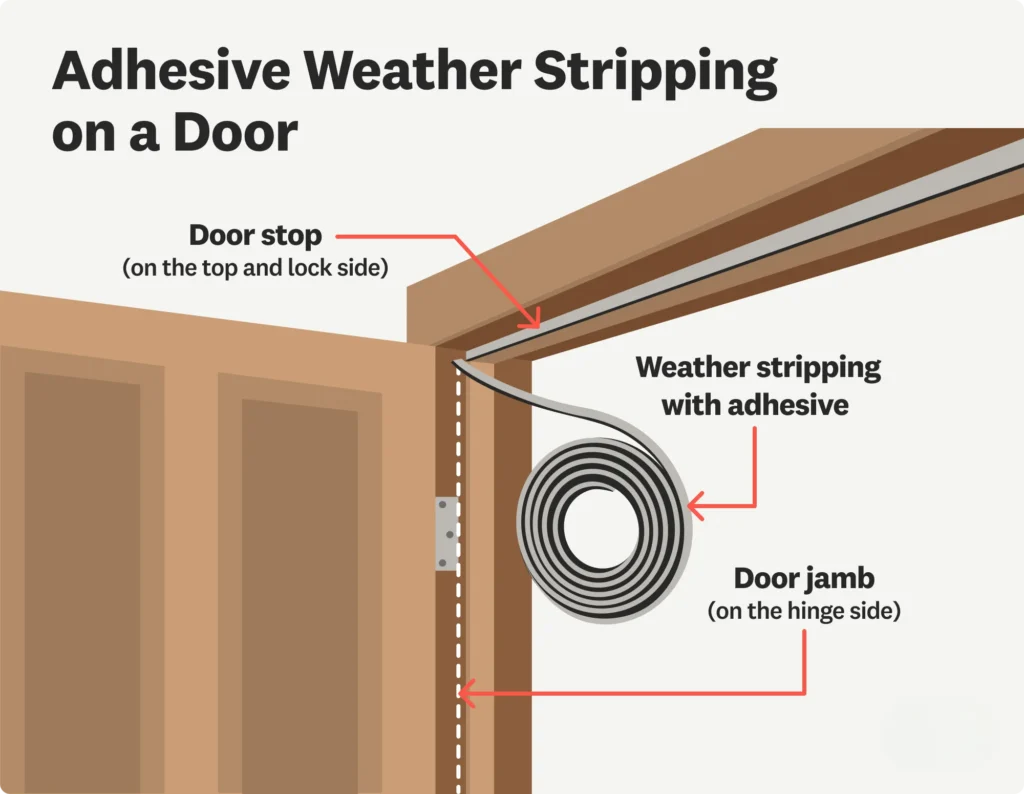
Where efficiency comes from
- Air sealing: compression gaskets, sweep, and an adjustable threshold.
- Glazing: low-E insulated glass with warm-edge spacers.
- Core options: insulated panels, laminated stiles and rails.
Simple upgrades
| Part | Upgrade | Benefit |
| Perimeter | Compression weatherstrip | Kills drafts |
| Bottom | Automatic door bottom | Seals uneven floors |
| Glass | Low-E IGU | Controls heat and UV |
| Threshold | Thermal break sill | Cuts cold transfer |
Air leaks beat R-values every day. A quiet, draft-free door often comes from fit and gaskets, not just the slab.
What hardware keeps wooden doors secure and aligned?
Bad hardware makes good doors feel cheap.
Use 3–4 heavy-duty ball-bearing hinges, a multipoint lock, and solid strike reinforcement. Add adjustable hinges and a quality threshold to keep reveals even as seasons change.

Hardware checklist
- Hinges: 4″–4½″ ball-bearing; stainless or coated for coastlines.
- Lock: multipoint with hooks/rollers; better seal and security.
- Plates: long strike plate with through-screws into framing.
- Adjustability: hinge shims or adjustable barrels for fine tuning.
Grease bearings lightly once a year. Tighten screws at the start of winter and summer. A firm latch and even gap improve weather seal and noise control.
How do I weatherstrip a drafty wooden front door?
Small gaps cause big chills.
Clean the stops, add compression weatherstrip in a continuous loop, and set an adjustable threshold or automatic door bottom. Seal latch and hinge mortises and the top and bottom edges.
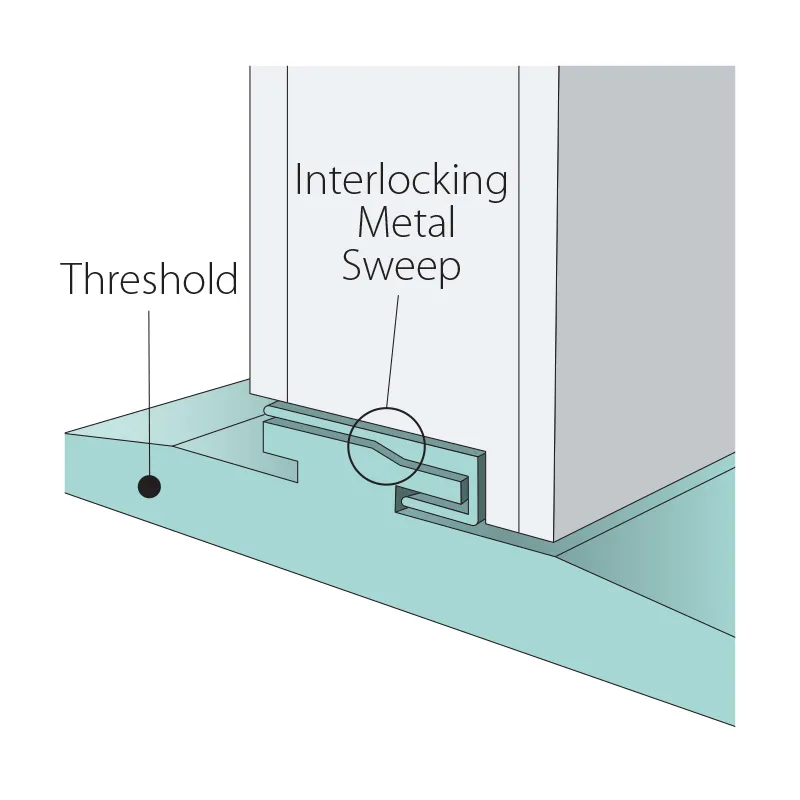
Step-by-step
- Check hinge screws; fix sag first.
- Close the door on a strip of paper; find loose spots.
- Install bulb compression weatherstrip along the stops.
- Add an automatic door bottom or tune the threshold.
- Seal top and bottom edges; fill any old nail holes.
- Test with incense or a thermal camera to confirm.
Avoid felt strips outdoors; they soak and fail. Choose EPDM or silicone gaskets. Keep the sweep barely touching floors to reduce wear.
Can wooden doors be fire rated for entryways?
Safety and style can coexist.
Yes. You can order fire-rated wooden doors, usually for interior or garage-to-house doors. Exterior-rated fire assemblies exist but must be matched with rated frames, hardware, and labeled glass.
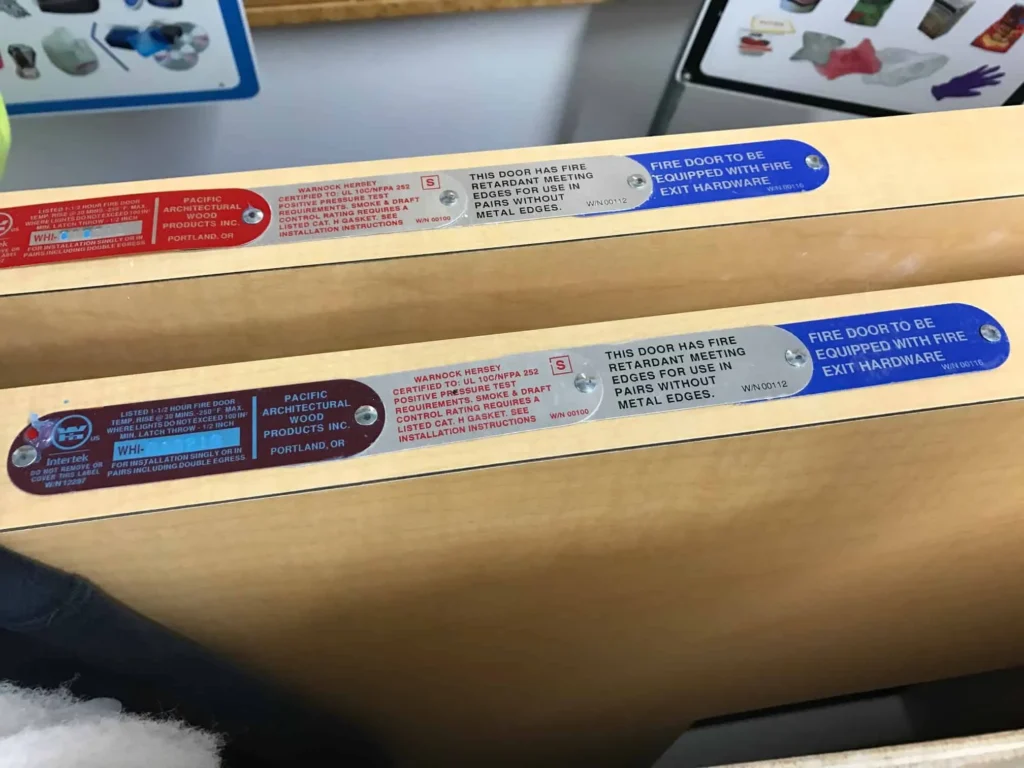
Fire ratings depend on the entire assembly. If your entry needs a rating, specify the minutes required (e.g., 20/45/60/90) and match frame, closer, and gasketing. Expect limited lite sizes and specific glazing. Keep labels visible after finishing.
How much do custom wooden doors cost installed?
You need a real range to plan.
Installed costs often land from $1,200–$5,000 for typical custom wooden entries, depending on species, thickness, glass, hardware, finish, and site work. Oversized or ornate doors can go higher.

Typical breakdown (USD)
| Item | Budget range |
| Slab (engineered core, 1¾″) | $600–$2,500 |
| Jamb, sill, weatherstrip | $150–$450 |
| Hardware set + hinges | $150–$600 |
| Finish (factory/shop) | $150–$600 |
| Labor (remove/install) | $250–$900 |
| Extras (glass, sidelights) | $300–$1,500 |
Site factors matter: masonry work, electrical for smart locks, or widening openings add labor. A good overhang and correct flashing protect this investment.
Which maintenance mistakes ruin exterior wooden doors fastest?
Avoidable habits cost the most.
Skipping edge sealing, letting finishes peel, and hosing doors with harsh cleaners cause early failure. Dragging doormats against the bottom rail keeps it wet and feeds rot.
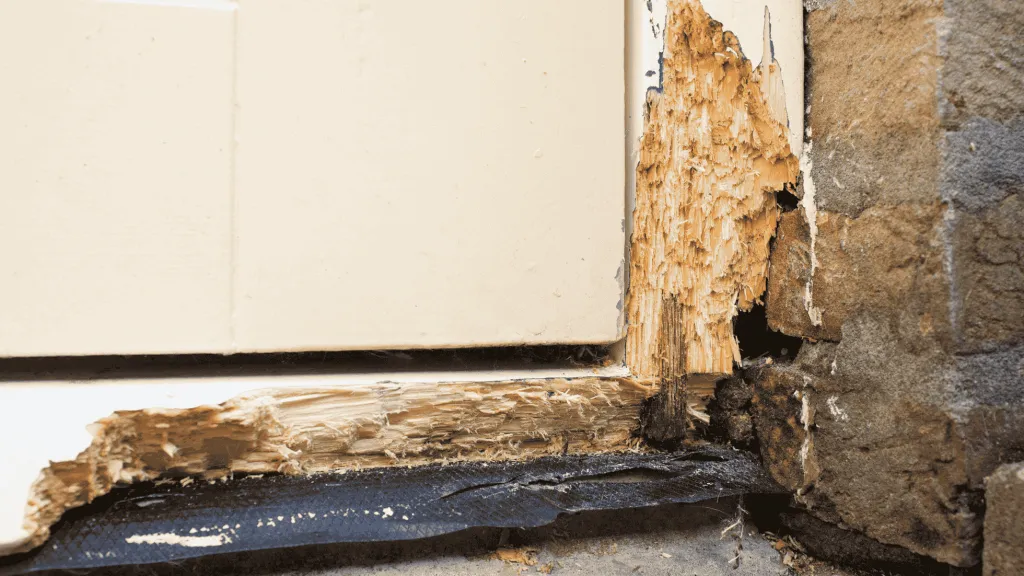
Common mistakes to stop now
- Leaving top and bottom edges unsealed.
- Delaying clear-coat touch-ups after hairline cracks appear.
- Using pressure washers near joints and threshold.
- Letting sprinklers hit the door daily.
- Installing dark stains in full sun without a tough topcoat.
Log a simple calendar reminder for spring and fall checks. Ten minutes twice a year can save a full refinish.
Conclusion
Pick stable species, choose engineered cores, seal every edge, and use strong hardware. Maintain the finish on schedule. Do this, and your wooden door will look warm and work quietly for years.
FAQ
Which wood is best for front doors in wet climates?
Teak and white oak handle moisture well. Pair with an engineered core, full edge sealing, and a generous overhang for long life.
How thick should an exterior wooden door be?
1¾″ is a sweet spot for stiffness, sound control, and hardware hold. It resists warping better than 1⅜″ and feels more secure.
How often should I refinish a wooden entry door?
Inspect twice yearly. In full sun, plan clear-coat touch-ups yearly and a recoat every 2–3 years. Painted doors can go longer between repaints.
Are wooden doors energy efficient?
With tight gaskets, a good threshold, and low-E glass, they can feel efficient. Air sealing beats raw R-value in daily comfort.
Do wooden doors warp easily?
Not when built right. Engineered cores, stable species, sealed edges, and an overhang prevent most warping. Keep finishes in good shape.
What hardware makes a wooden door more secure?
Ball-bearing hinges, a multipoint lock, and reinforced strikes. Adjust hinges seasonally to keep an even gap and a strong seal.